Waterproofing without excavation
Waterproofing from inside, usually without excavation. Your specialist partner examines the masonry and recommends the appropriate method.
 ®Request a consultation
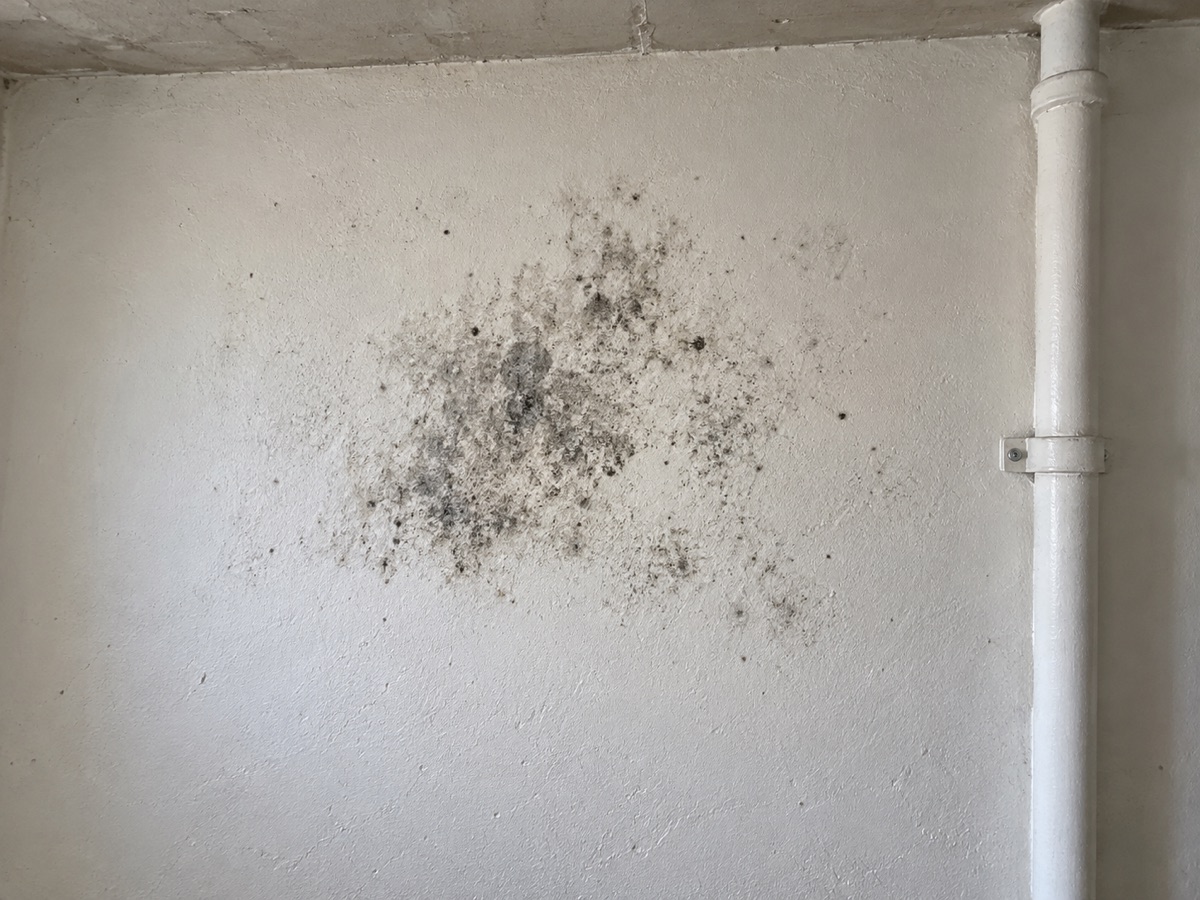
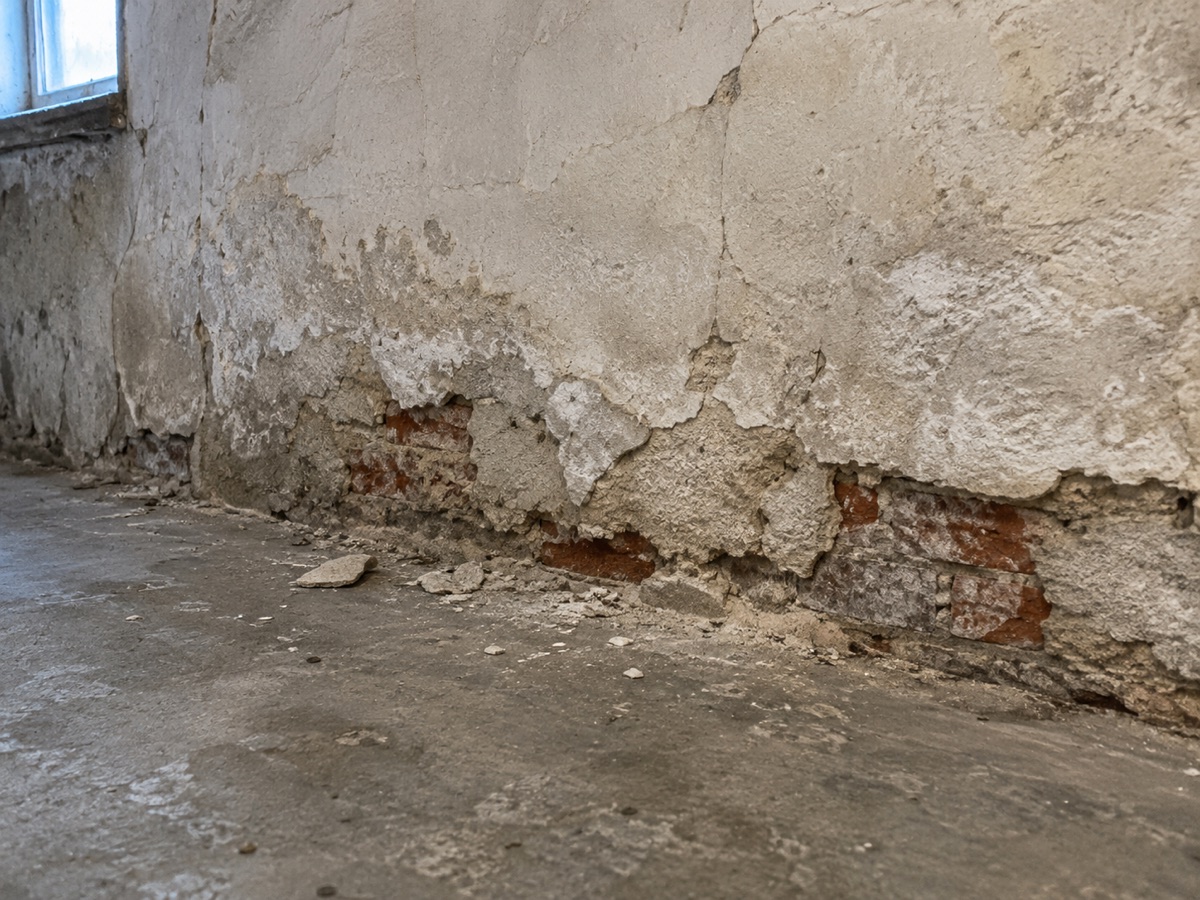
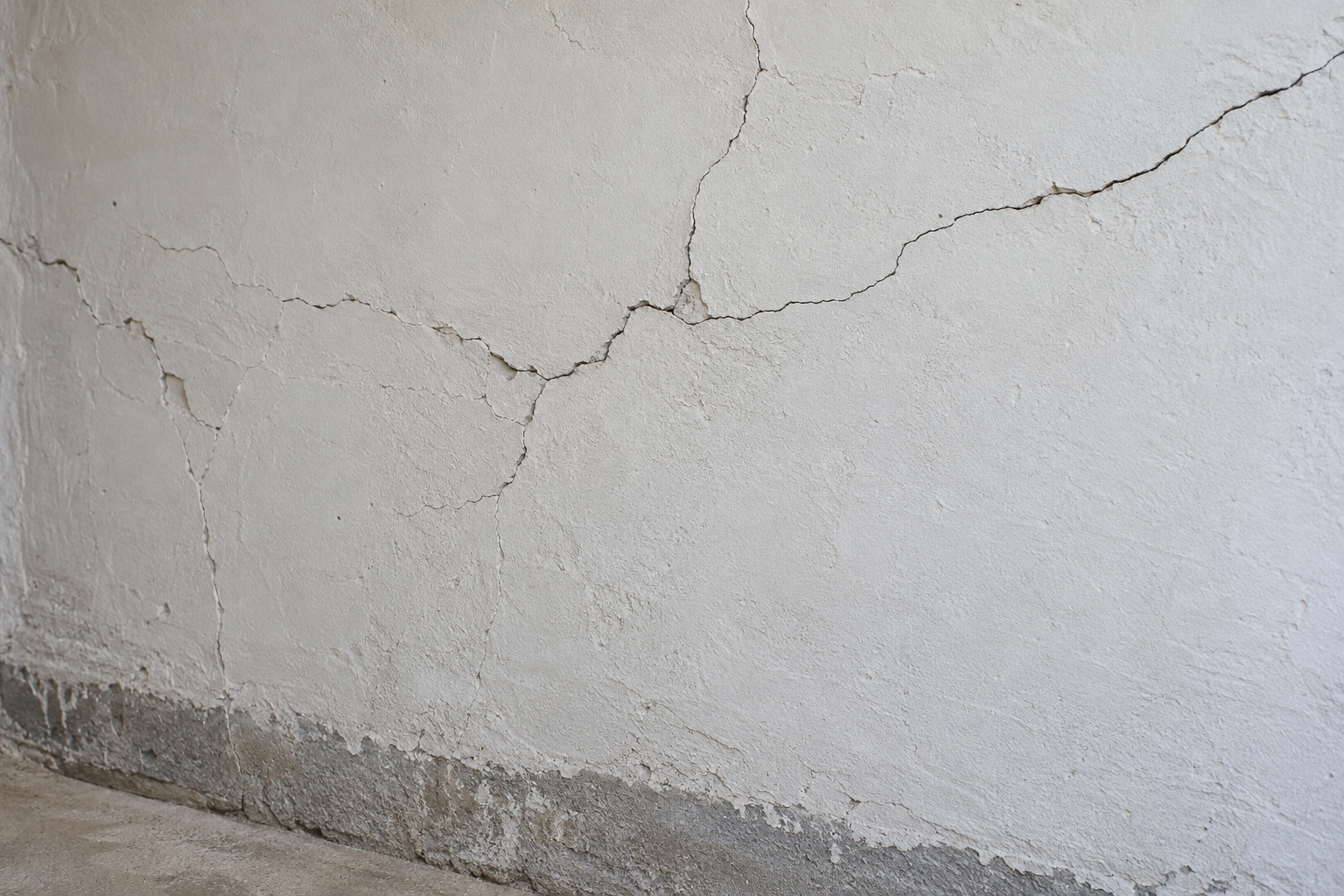
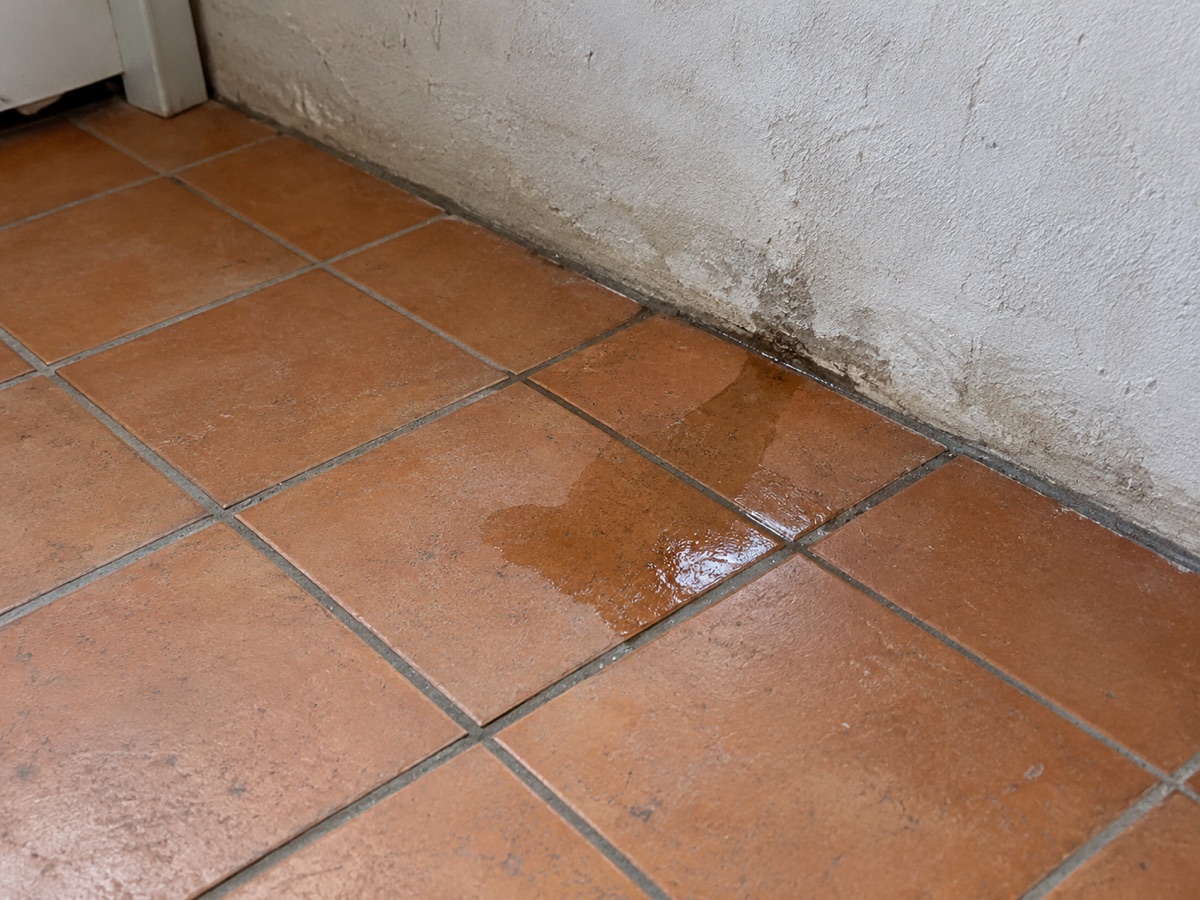
Damp basement walls, salts or mould: understand the damage and have the cause professionally investigated.
Learn more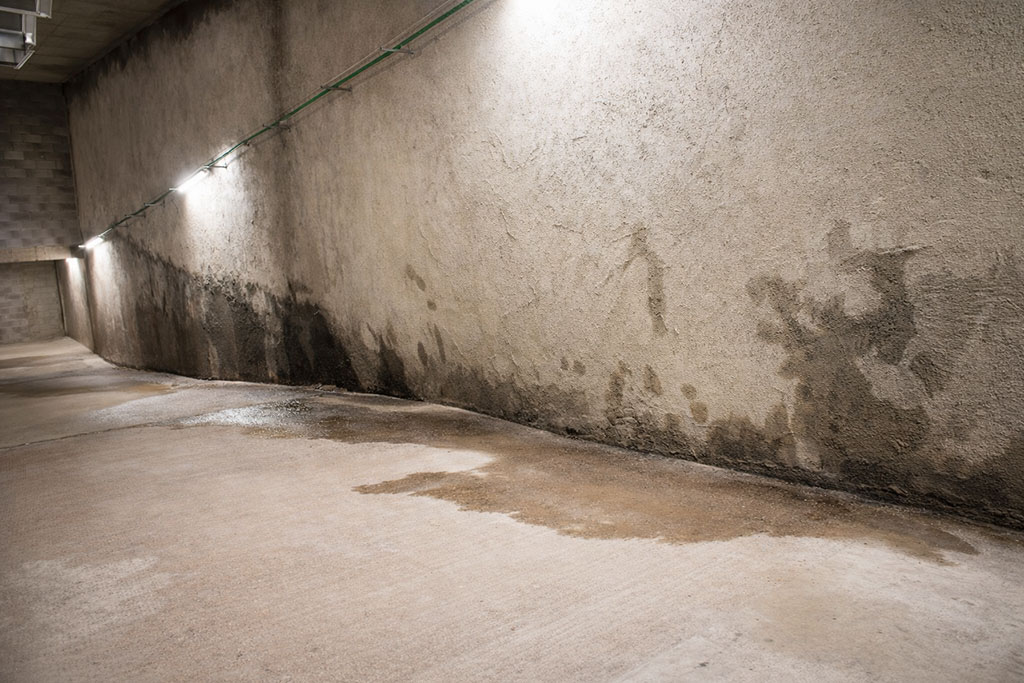 Moisture in masonry
How wetBLOC works: waterproofing masonry from within against rising damp and lateral moisture ingress.
Learn more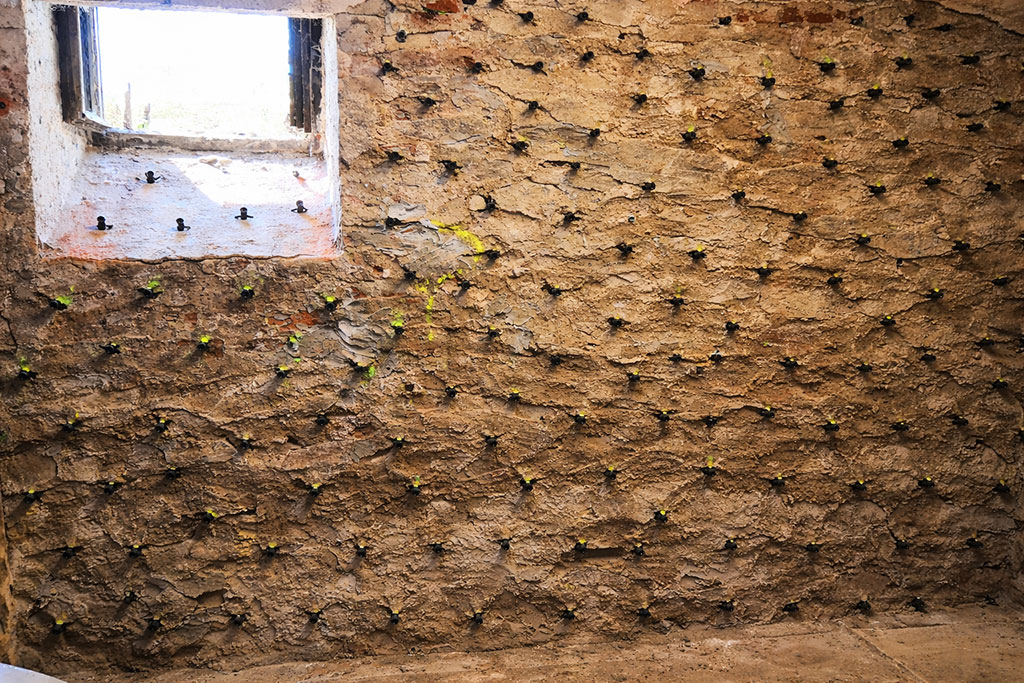 Waterproofing existing masonry
Discover the benefits of waterproofing from inside for your building.
Learn more Illustrative image
From assessment to follow-up work: the steps for your building.
Learn moreIllustrative imageFour reference projects offering insights into the renovation and detailed project reports.
Learn more wetBLOC reference photograph
Costs, duration, plaster work and warranty: answers to help prepare your enquiry.
Learn more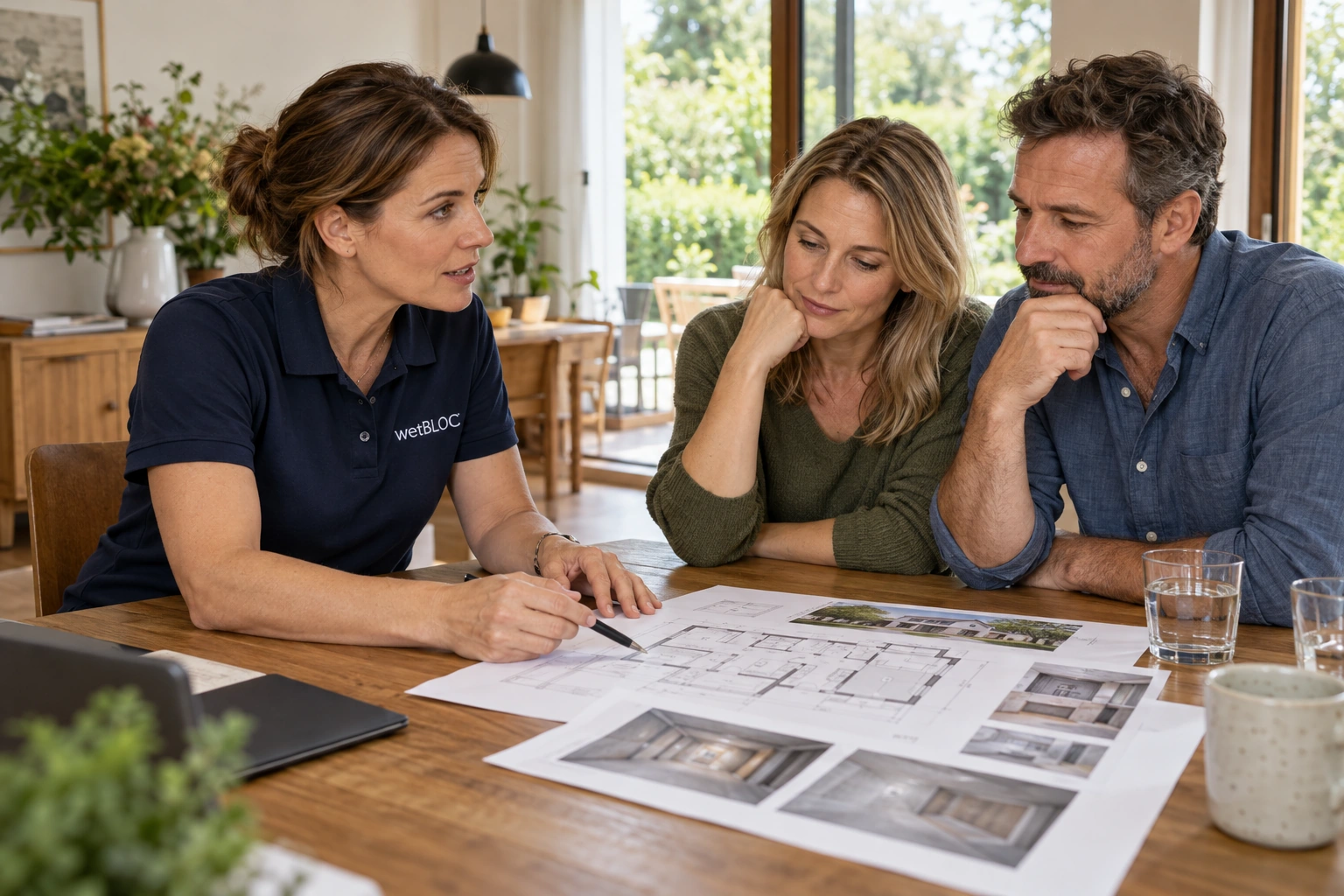 Consultation · Visualisation
System profile, planning and execution: the fundamentals and application limits of the wetBLOC method.
Learn moreWaterproofing existing masonrySelective filling of outer cavities with flowable injection mortar and swellable polymer technology.
Learn more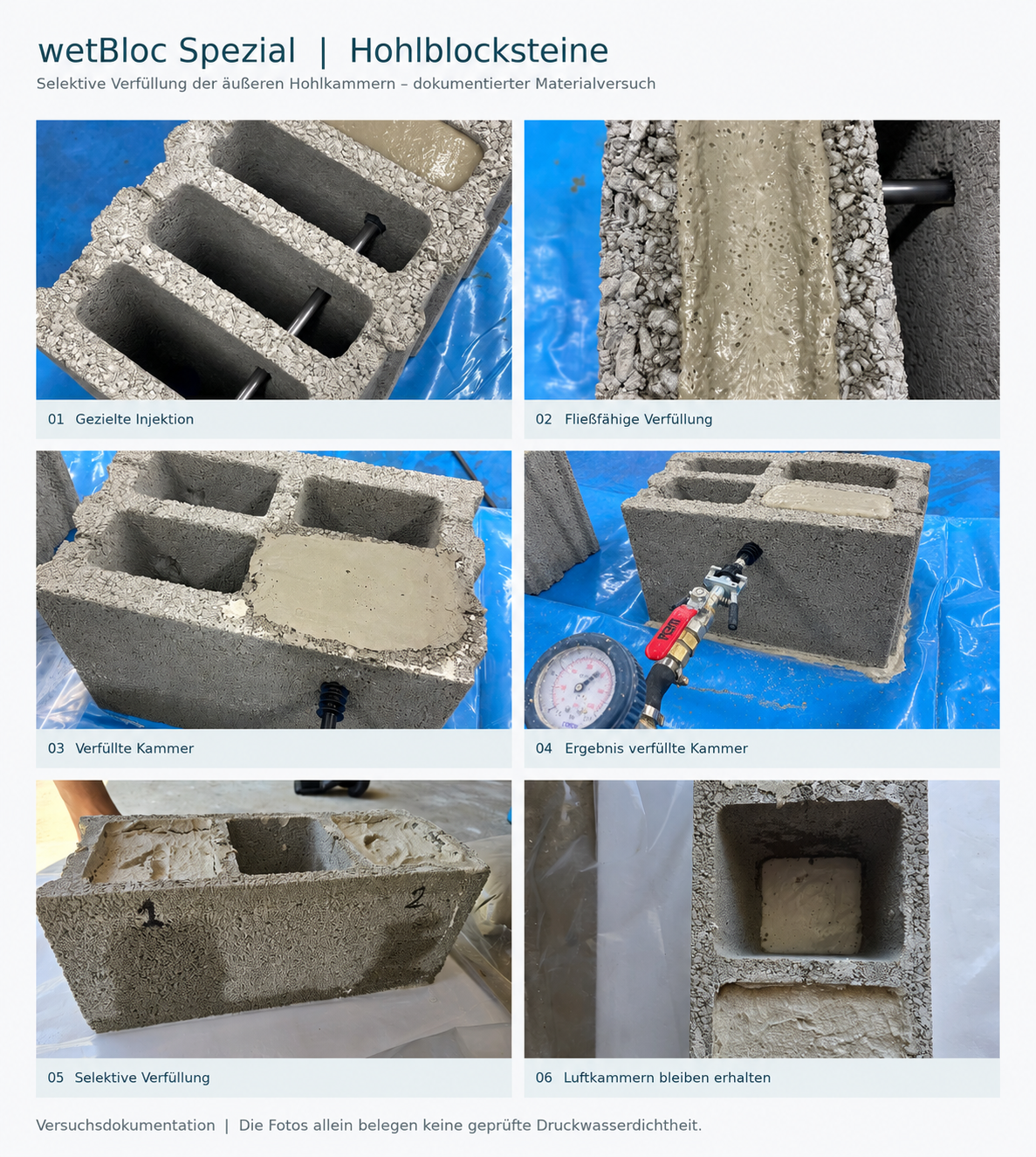 Selective cavity filling
Chemical and technical operation in detail: capillary transport, polymer structure and microscopic investigations.
Learn more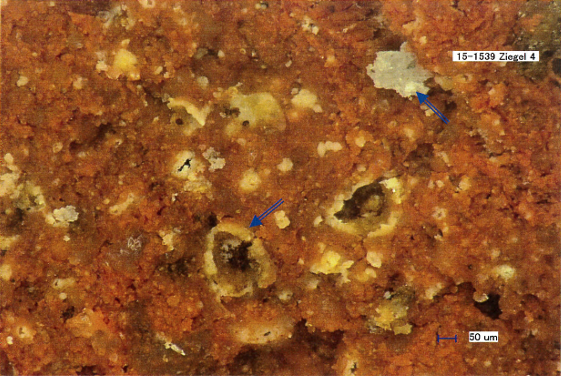 Material photograph from the wetBLOC documentation
Polymer gel, wall sawing, injection resins and water-repellent treatment: the comparison table from our NRW landing page.
Learn moreMaterial photograph from the wetBLOC documentationOriginal material photographs and the research report complement the technical assessment.
Learn more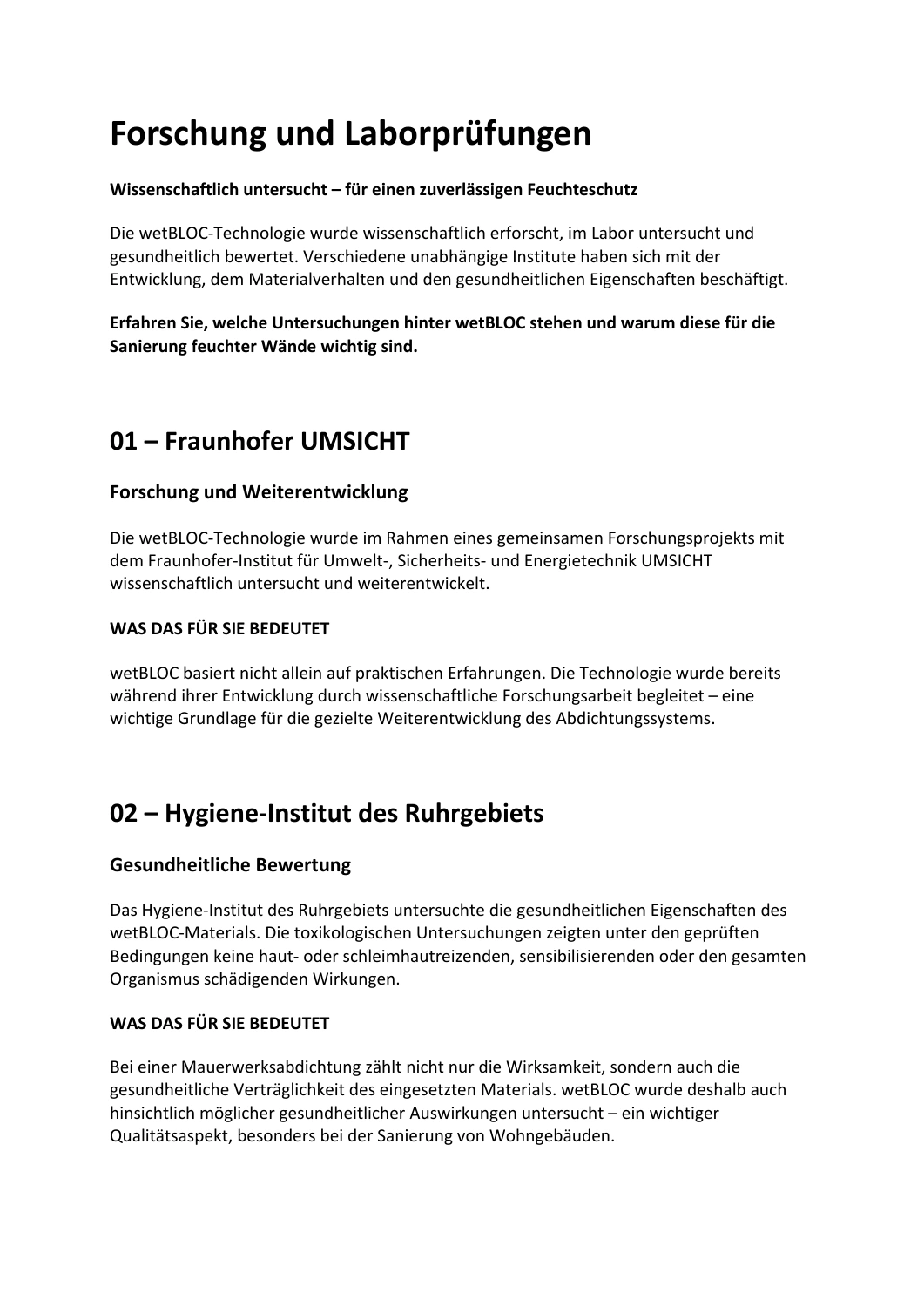 View report · 3 pages

Bremen · Bremerhaven · Delmenhorst
Explore region
Köln · Düsseldorf · Dortmund
Explore region
Stuttgart · Mannheim · Karlsruhe
Explore region
Frankfurt am Main · Wiesbaden · Kassel
Explore region
St. Gallen · Chur · Schaffhausen
Explore region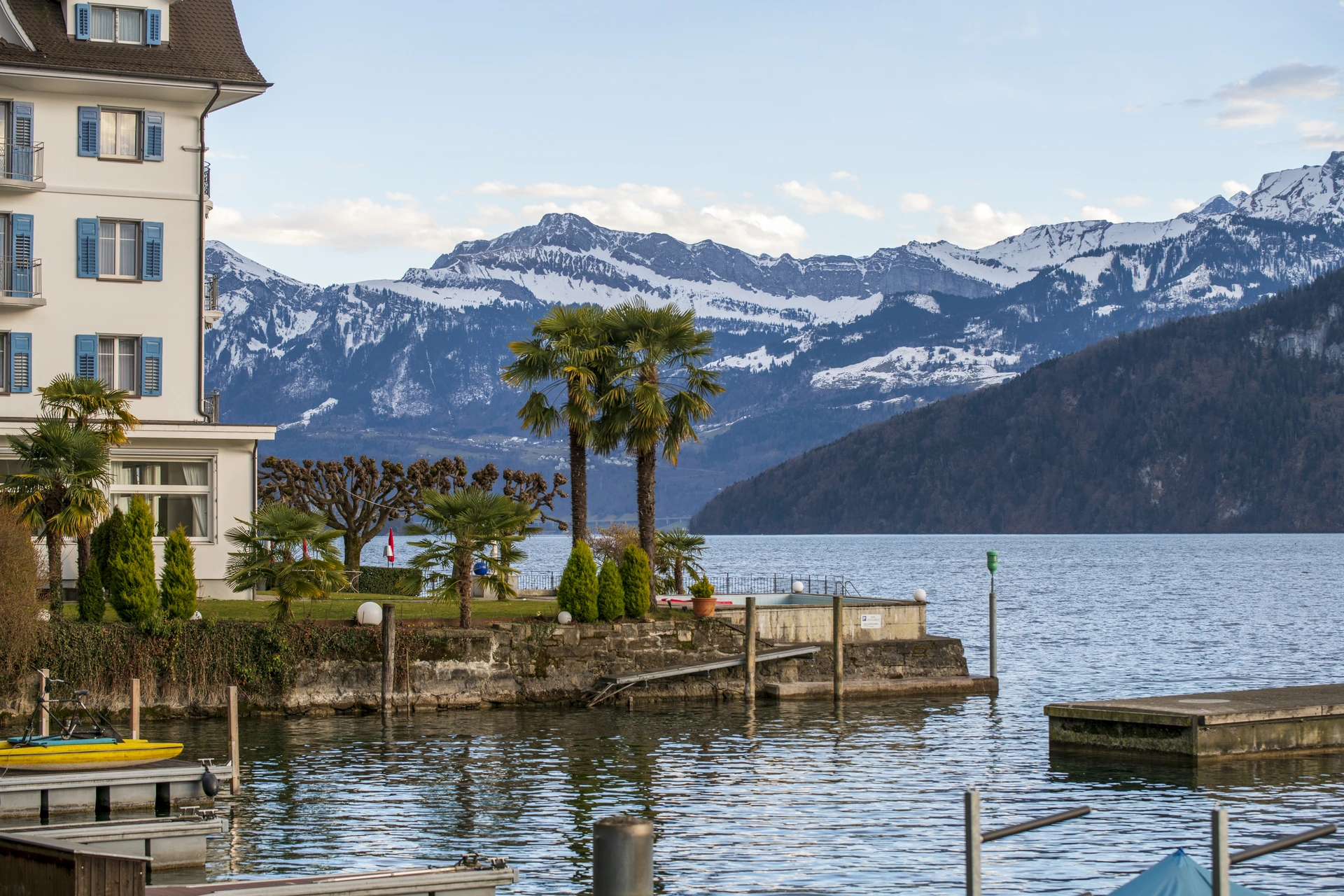
Luzern · Emmen · Zug
Explore region
Zürich · Winterthur · Uster
Explore region
Lugano · Bellinzona · Locarno
Explore region
Palma · Ibiza Town · Calvià
Explore region AI illustrative image
Our network is under development.
More about ItalyGet to know our company, the development of wetBLOC and the people behind the system.
Learn more




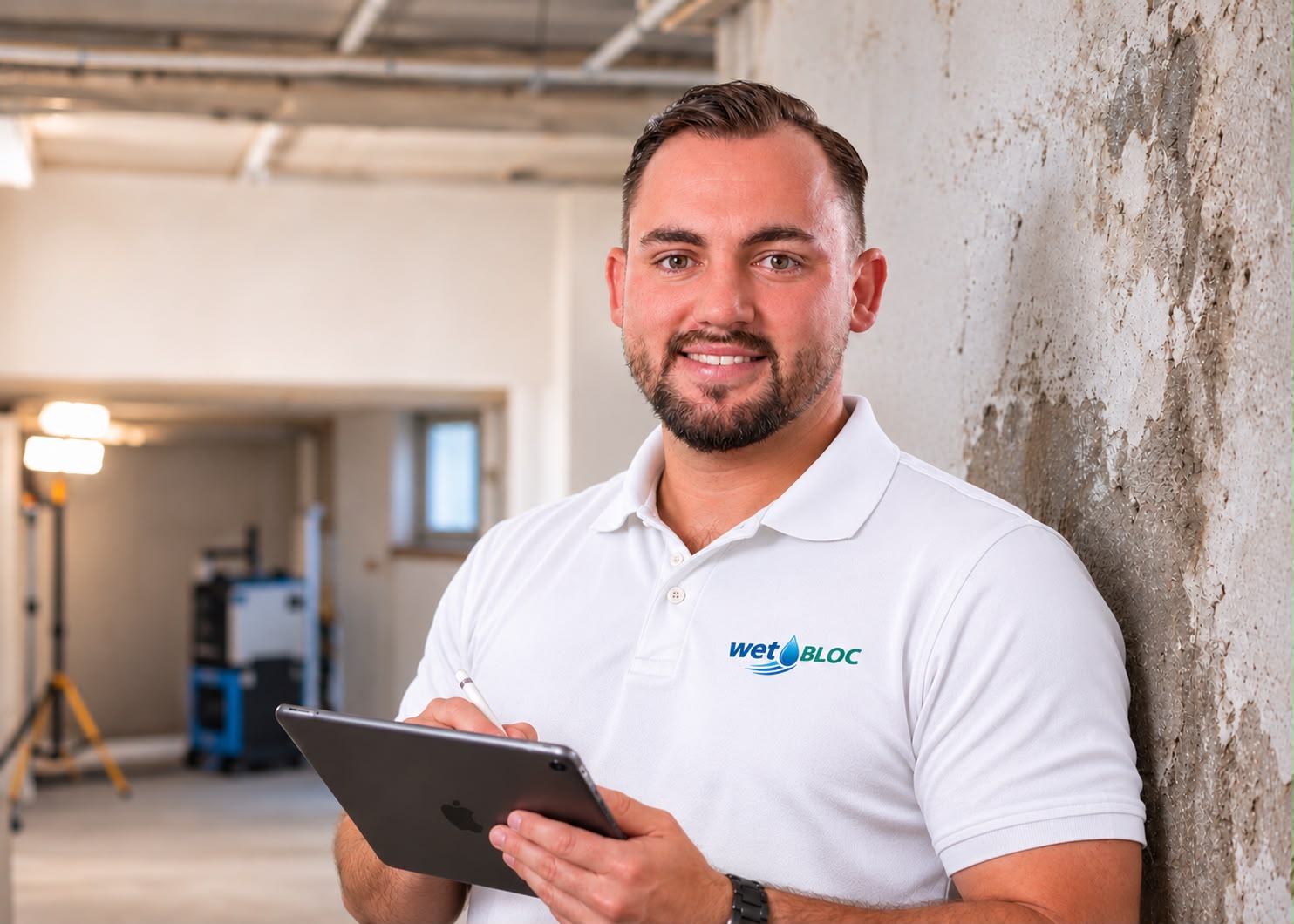



 The people behind wetBLOC
Answers on technology, application, warranty and partnership – all in one place.
Learn moreConsultation · VisualisationComprehensive renovation in Hannover and remedial treatment in Mannheim: project reports with original photographs and technical details.
Learn morewetBLOC reference photographRemediation of existing properties: requirements, project preparation and coordination for property managers, businesses and planners.
Learn more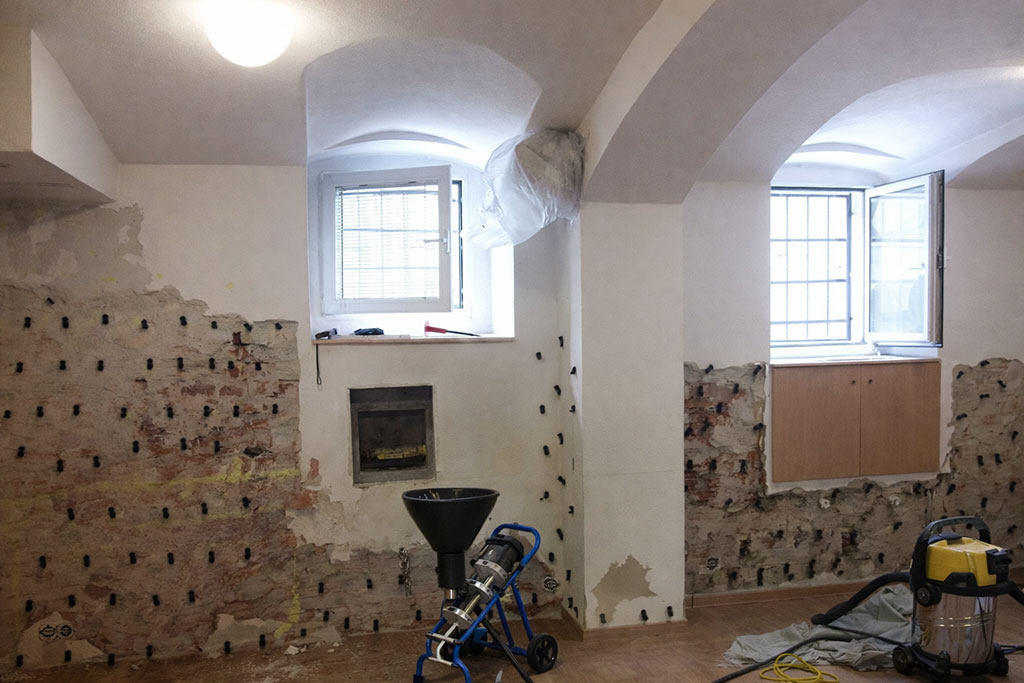 Remediation of existing properties
The partner offering, technical requirements and the route from enquiry to trained application.
Learn more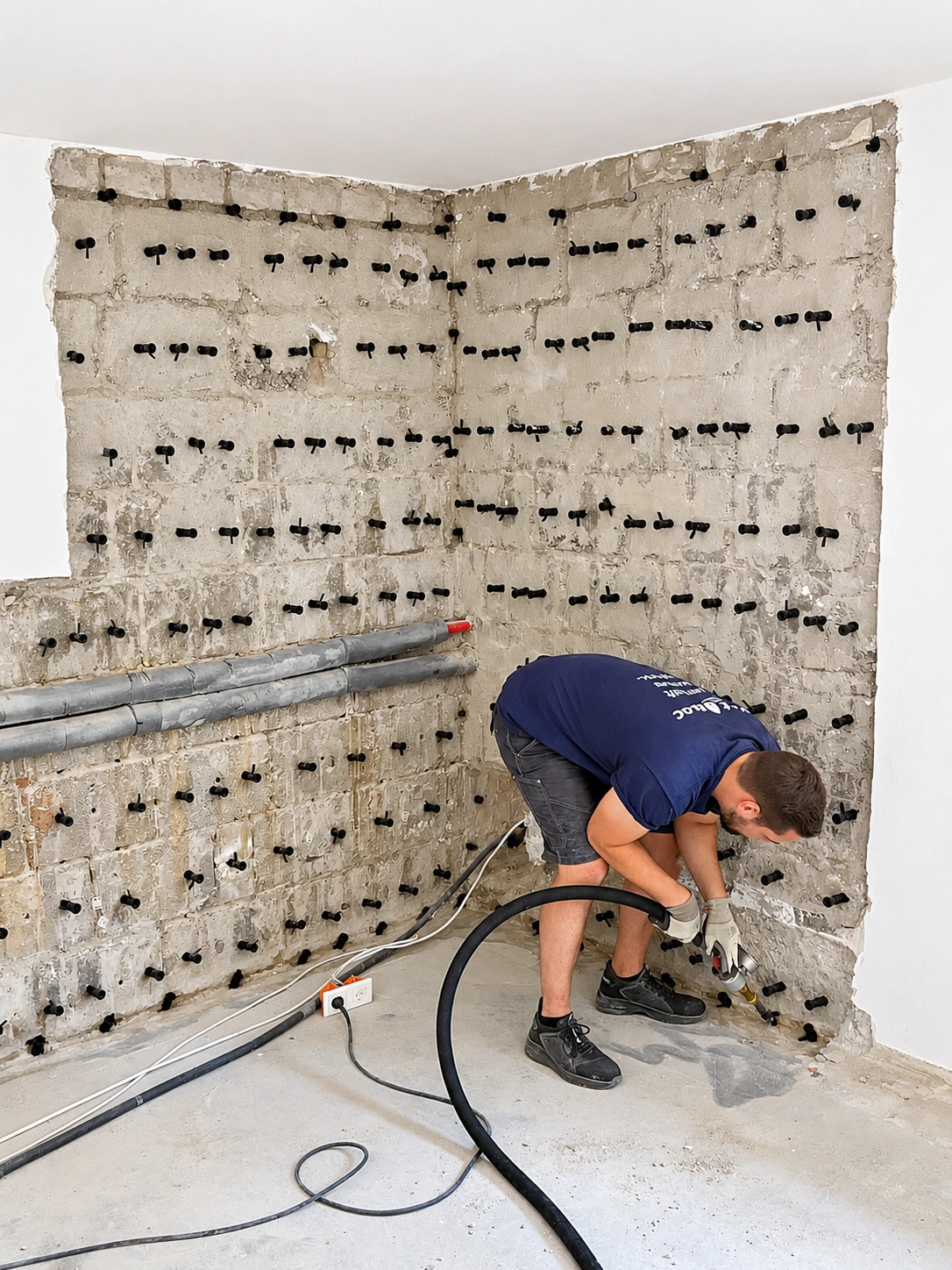 Qualification and practical application
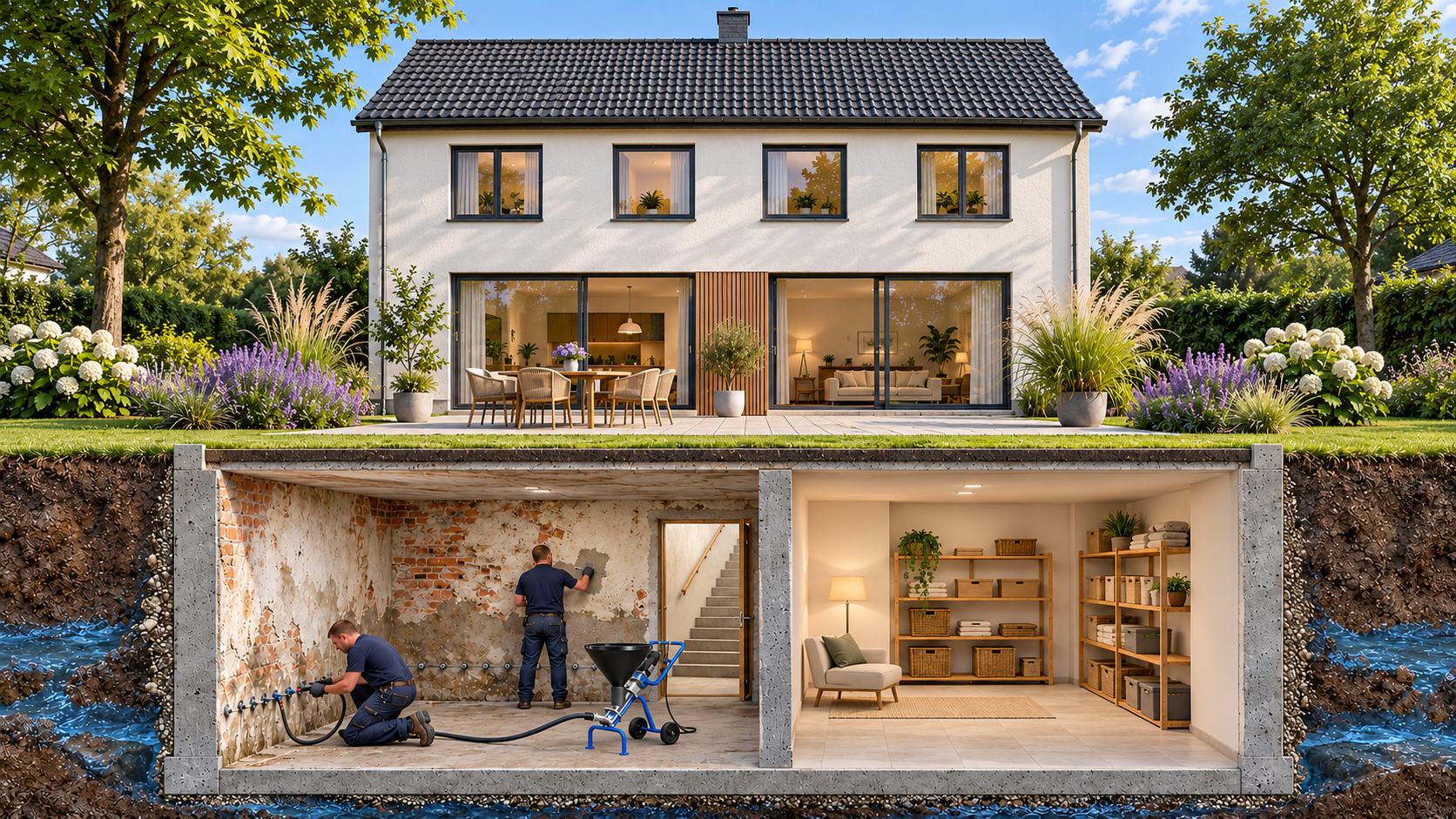 AI-generated visualisation
Stop rising damp and lateral moisture ingress. Waterproofing from inside – usually without excavation. Personal advice from your regional specialist partner. Preserve the building fabric. Use your rooms again.
Start the damage assessment nowThe swellable wetBLOC polymer gel waterproofs masonry from within against rising damp and lateral moisture ingress. It works horizontally and vertically while maintaining vapour permeability.
Researched with Fraunhofer UMSICHT. Independent institutes tested moisture behaviour, compatibility and classification under chemicals legislation.
Masonry waterproofing guided by WTA principles, combined with certified EPASIT products for long-term moisture protection.
Trained specialists, clear application guidelines and documented procedures ensure consistently high workmanship.
wetBLOC and EPASIT provide a 15-year voluntary system warranty on the agreed waterproofing measure.
Waterproofing from inside, usually without excavation. Your specialist partner examines the masonry and recommends the appropriate method.
After the investigation, you receive a recommendation and a quotation. You clarify the work, costs and dates with your specialist partner before work begins.

After waterproofing, drying and repairs, you can use your rooms appropriately again – for example as storage, a workshop or a hobby room.
AI-generated example images.
From initial enquiry to waterproofing — individually planned. Subsequent drying depends on your masonry.
Select your damage condition and region. Briefly describe what you have noticed in the basement.
Your regional contact clarifies initial questions with you and arranges an inspection.
The specialist partner examines the cause of damp, the wall construction and the condition of the masonry to determine the appropriate waterproofing.
You discuss the recommended work, costs and execution date. Remediation is only scheduled once you have commissioned it.
The specialist contractor develops a remediation plan tailored to your building. This includes masonry waterproofing with wetBLOC, suitable renovation plaster work, professional support during subsequent drying and any necessary follow-up inspections.
Open to read
Scientifically researched, investigated in the laboratory and assessed for health effects.
wetBLOC technology has been scientifically researched and further developed. Independent institutes examined key material properties, its behaviour in masonry and health-related aspects.
Find out more about the four quality areas:
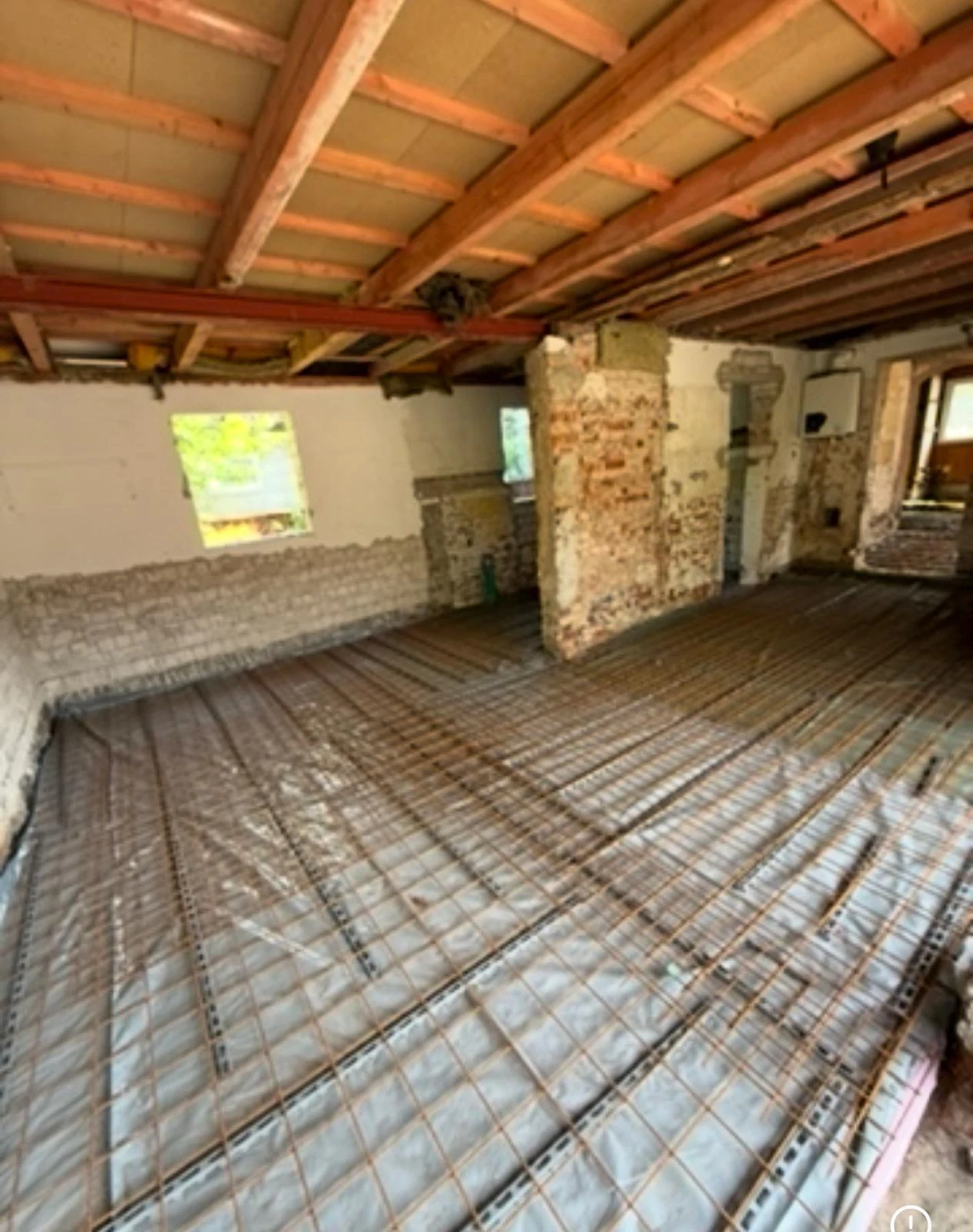
During the full renovation, the floor slabs and floor moisture protection were renewed. The horizontal wetBLOC treatment complemented the concept within the existing masonry.
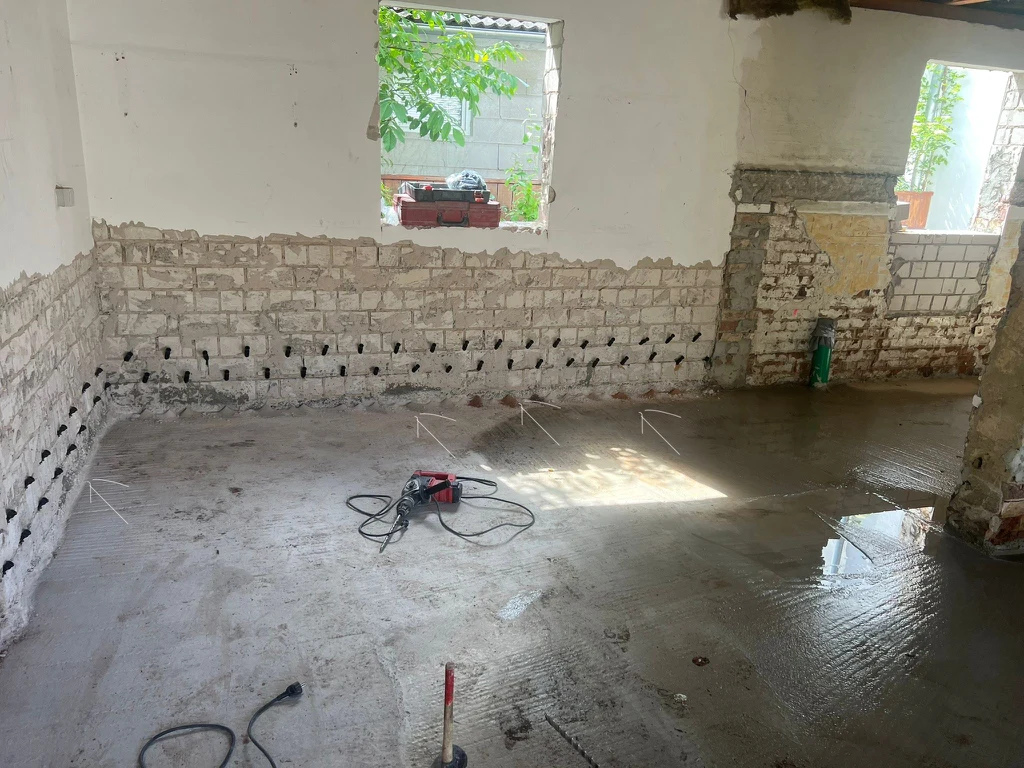
Following persistent damp and salt damage, the basement received targeted remedial treatment: horizontal and vertical wetBLOC treatment, hollow-chamber filling and a new cove fillet.
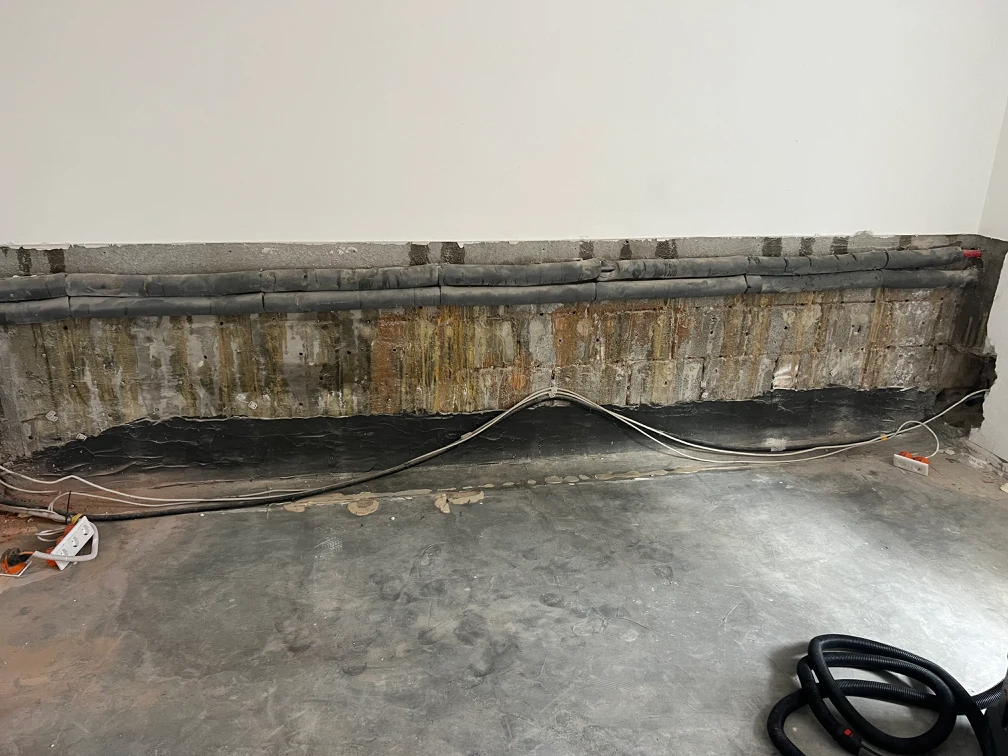
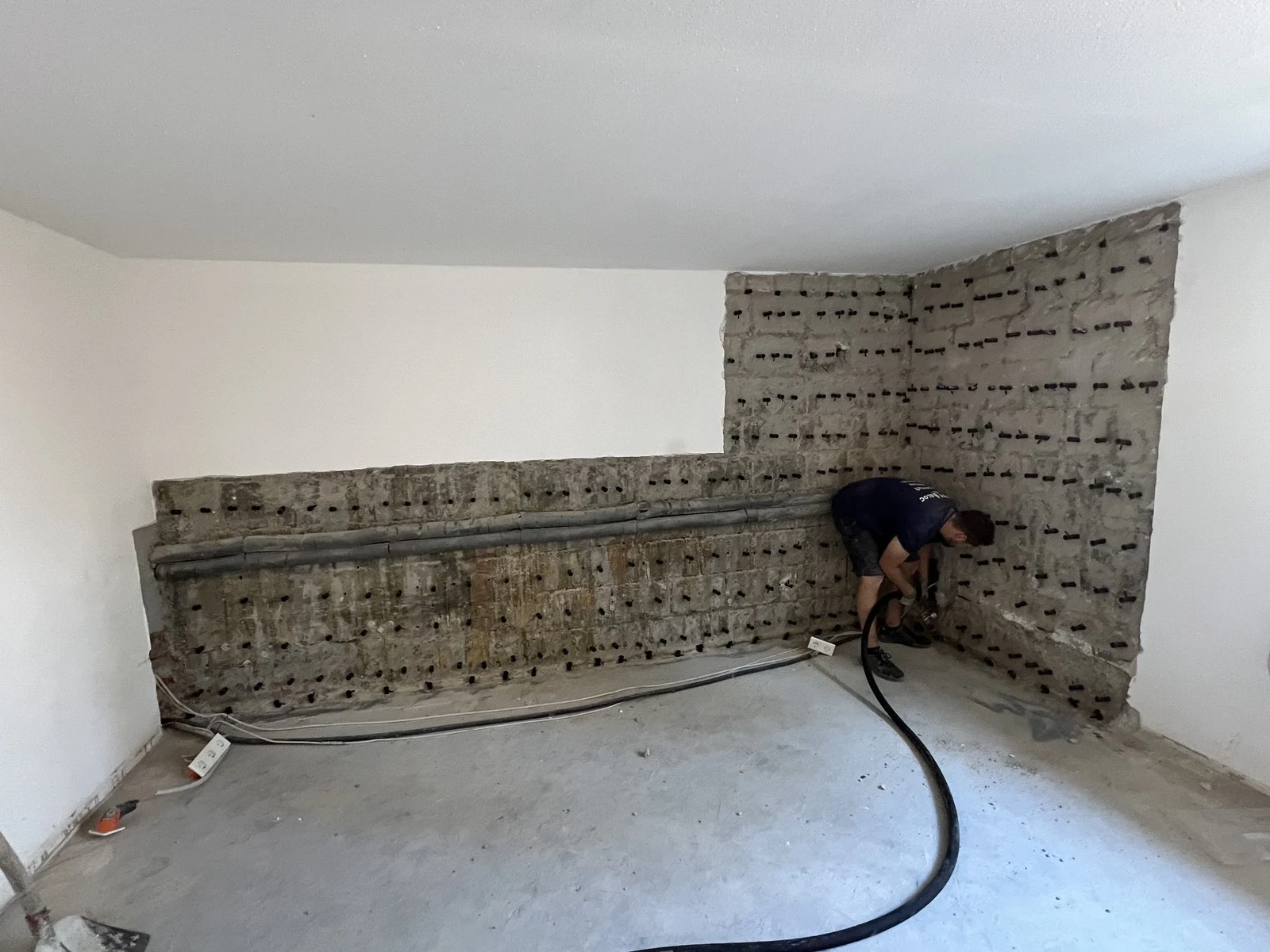
After two insufficiently successful PU resin injections, a limited test area was treated with wetBLOC. Those involved in the project assessed the follow-up observations for this wall area positively.
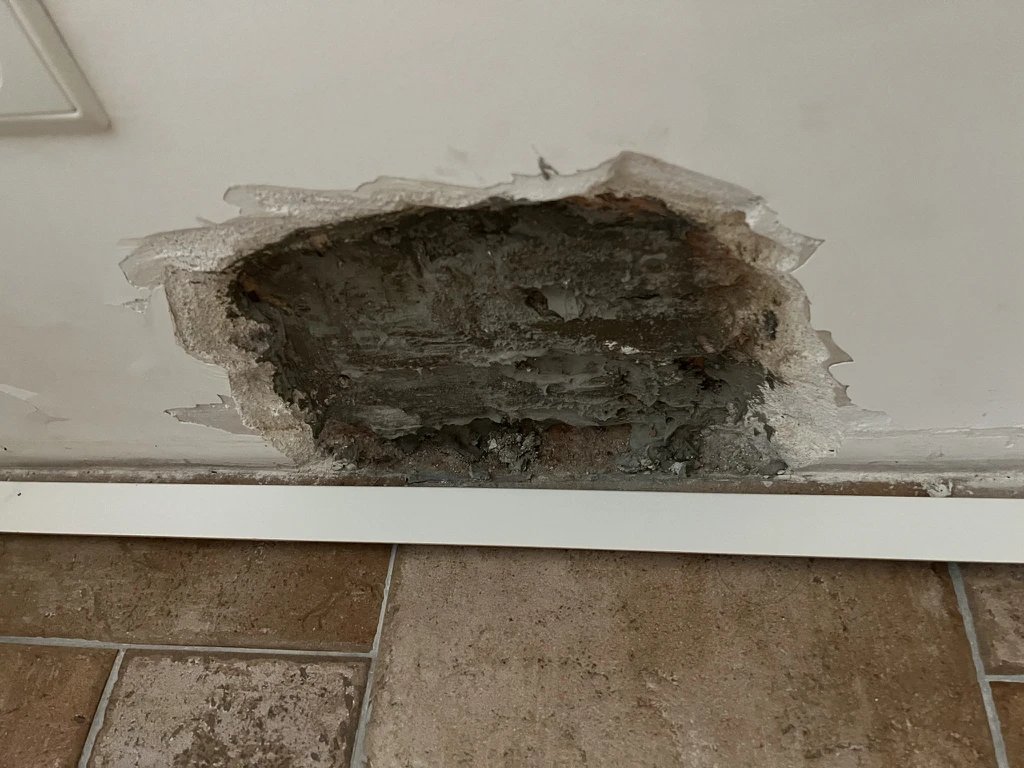
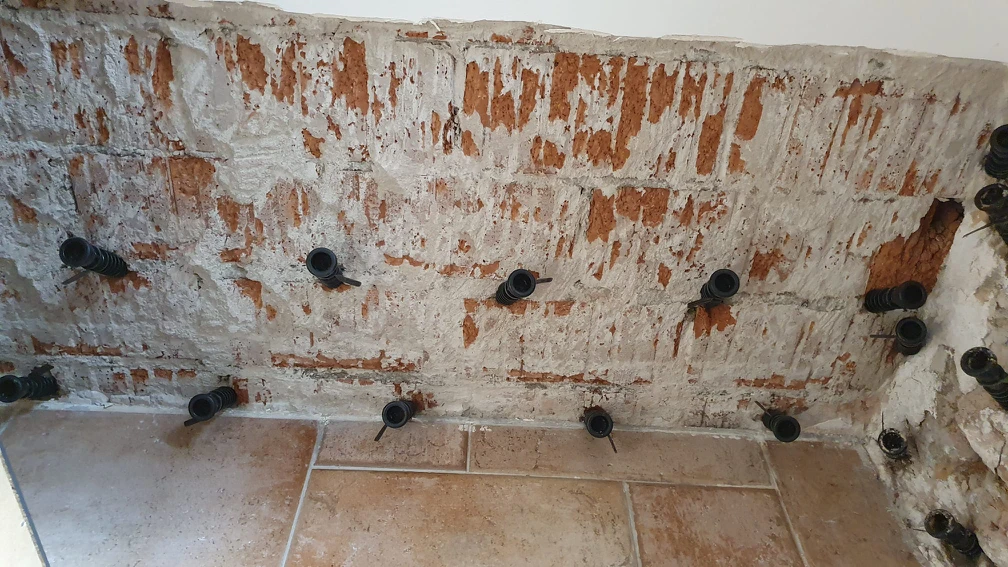
The remediation combines horizontal masonry injection over approximately 78 linear metres with vertical hollow-chamber filling over approximately 32 m². A cove fillet and mineral renovation plaster complete the plan.
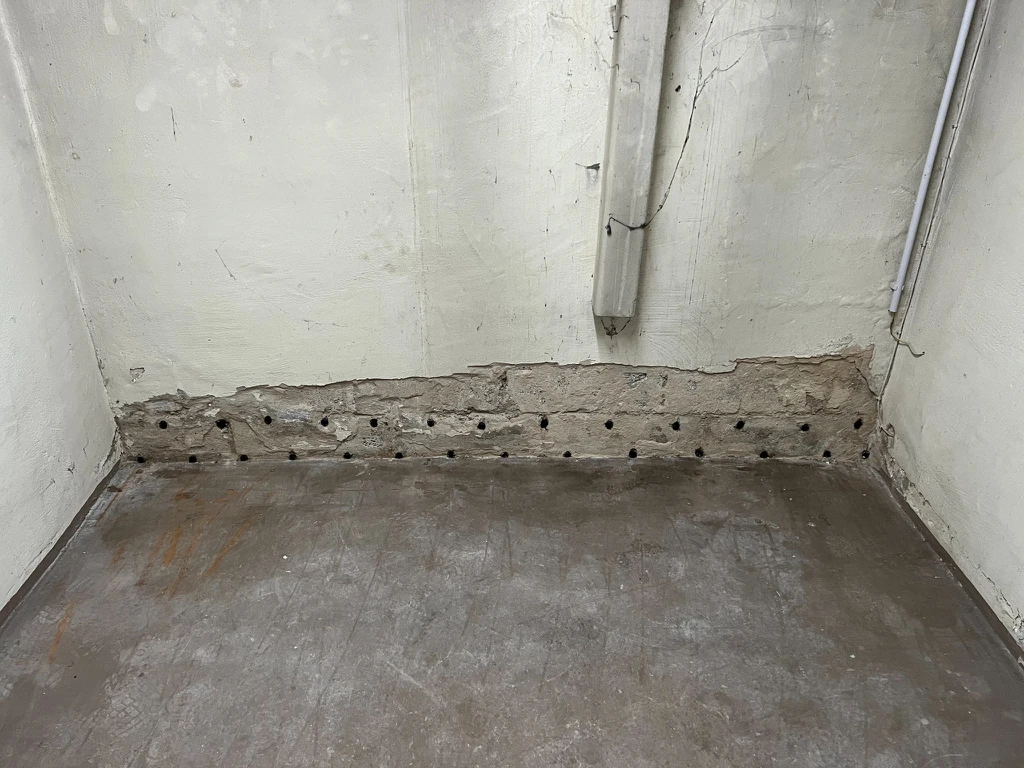
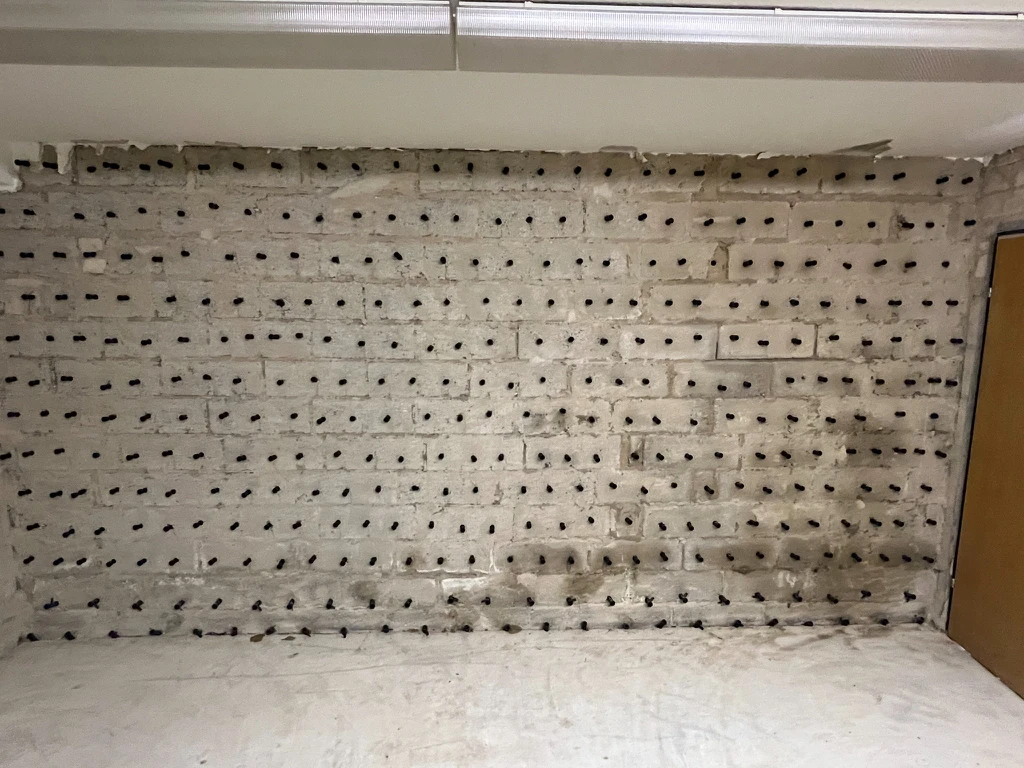
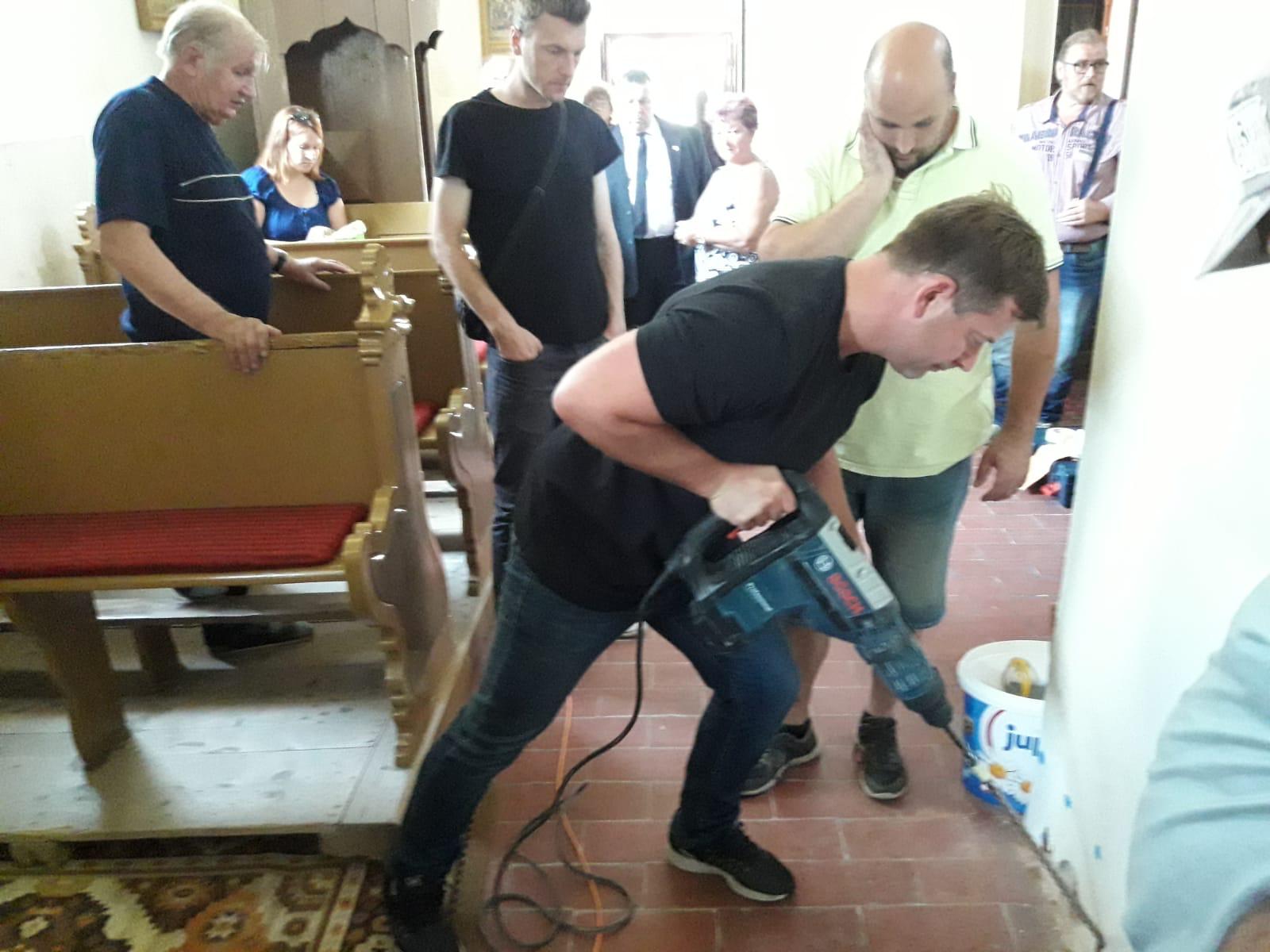
In 2018, the historic church building was treated with a horizontal wetBLOC barrier zone, followed by plaster renovation. Preserving the building fabric and church fittings was the priority.
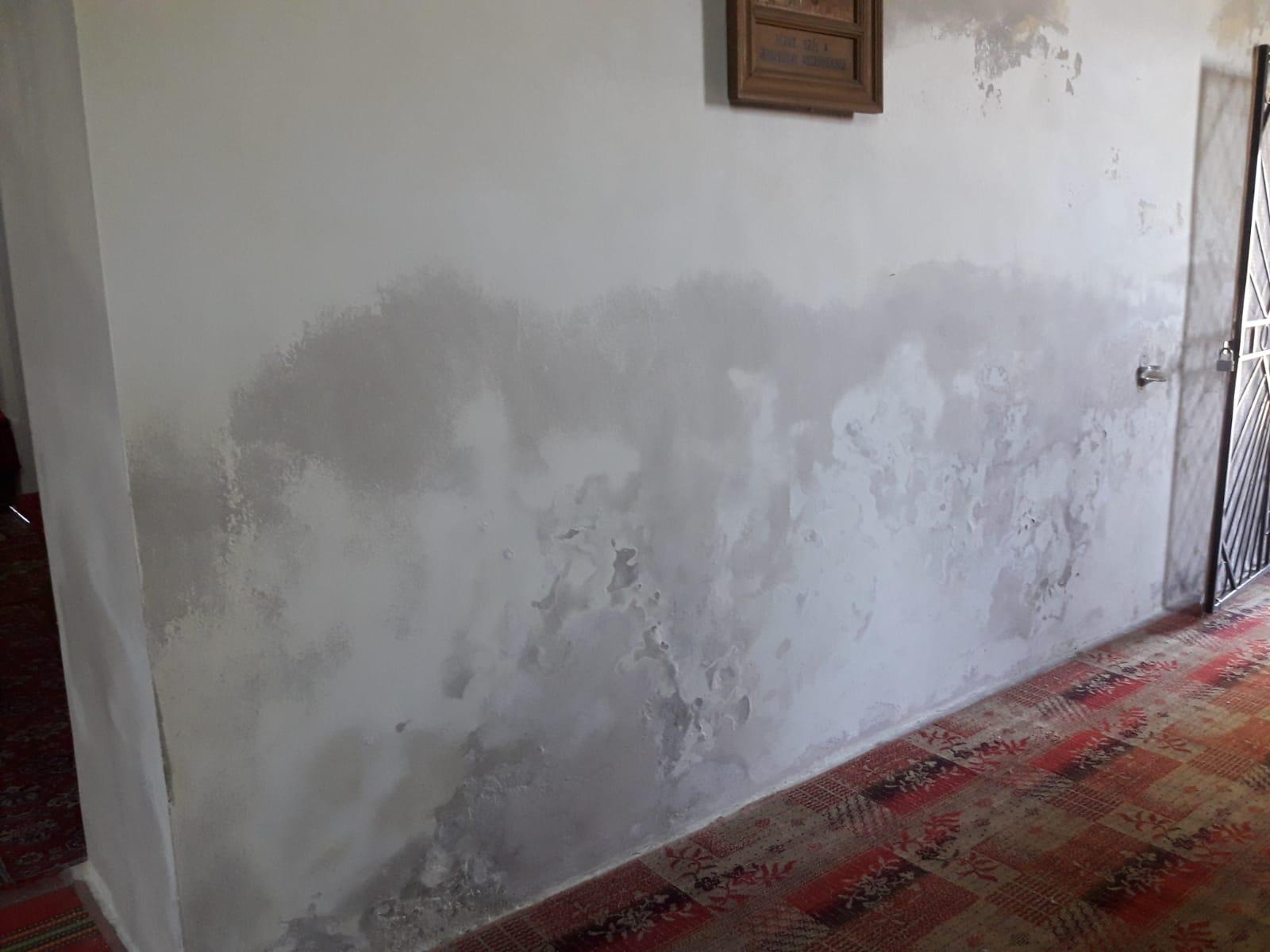
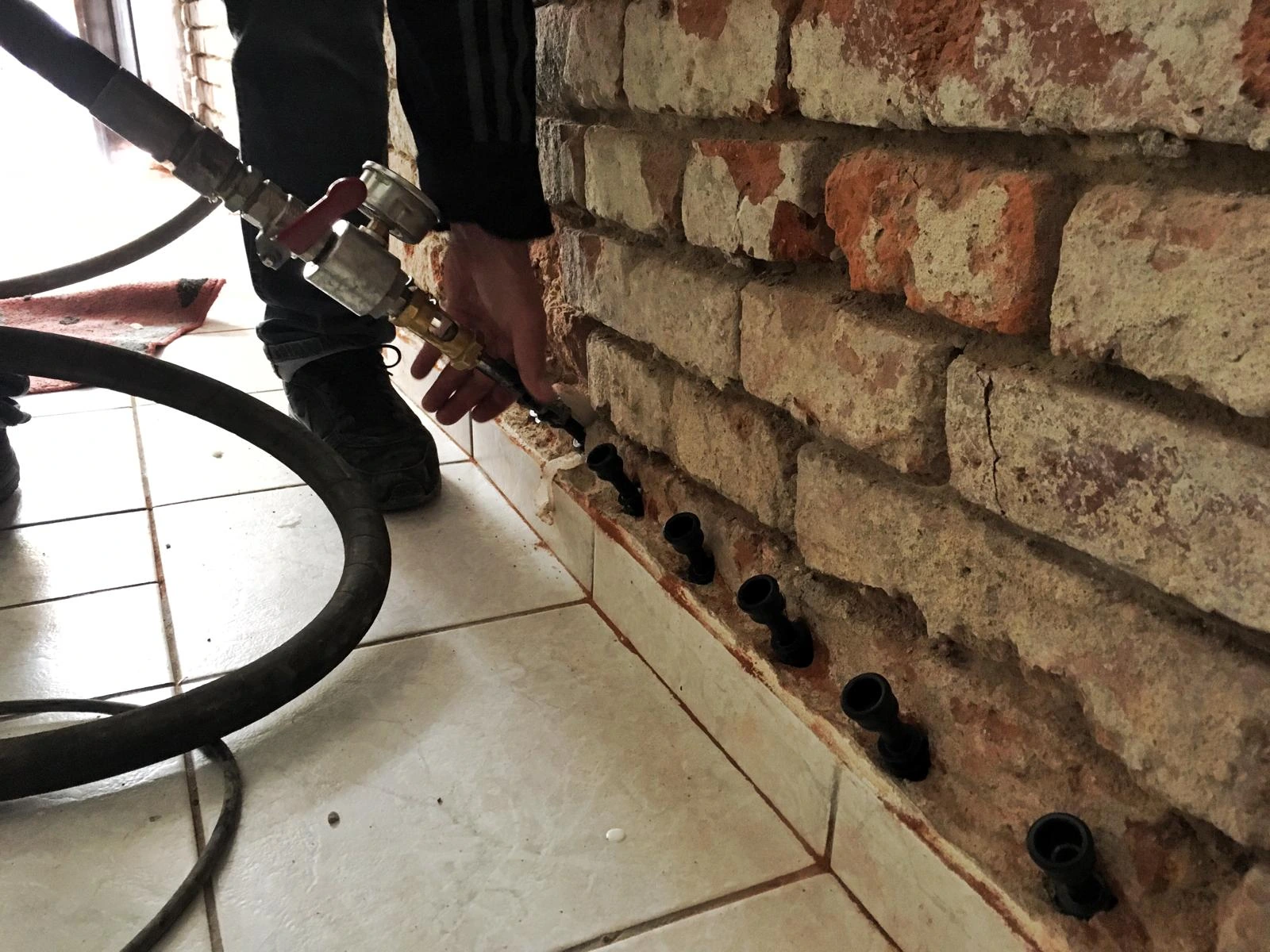
Rising damp in the hallway of a brick building from 1975 was treated with a horizontal wetBLOC barrier zone extending approximately 18 linear metres.
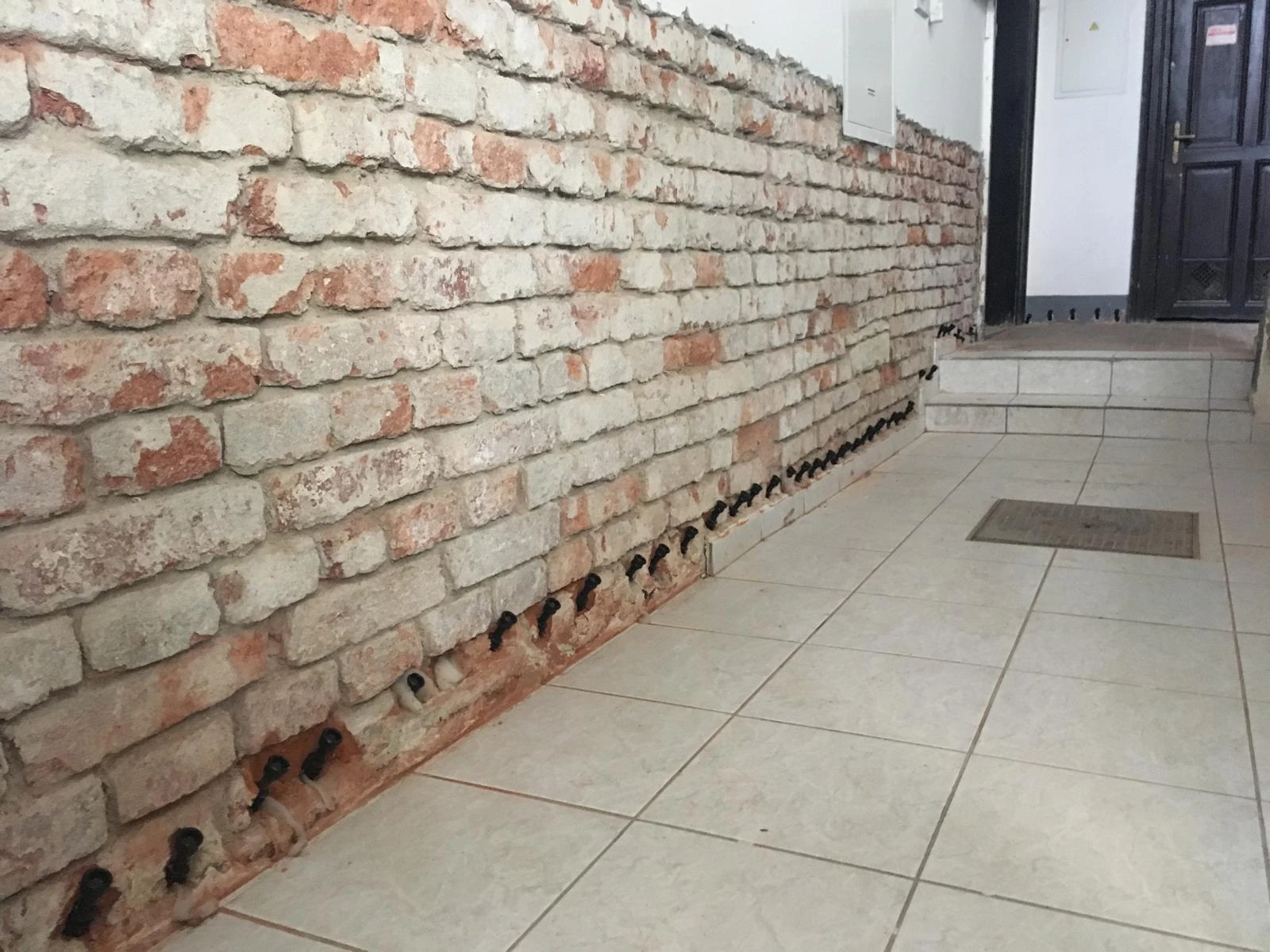
In the basement of a primary school, approximately 70 m² of wall area and approximately 35 linear metres of horizontal barrier were treated with wetBLOC. The original brick surfaces were preserved without a final renovation plaster layer.
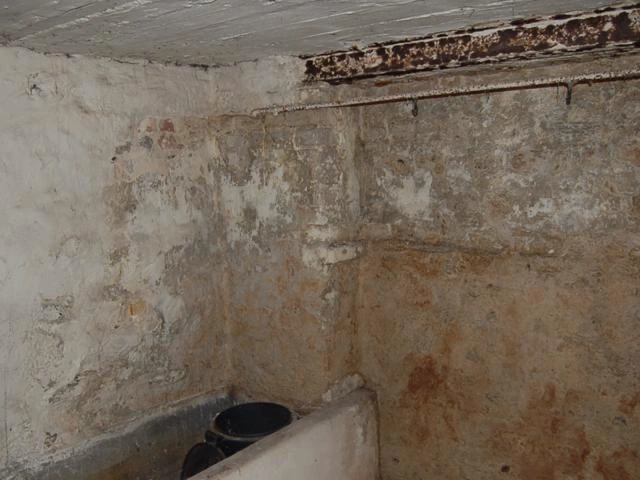
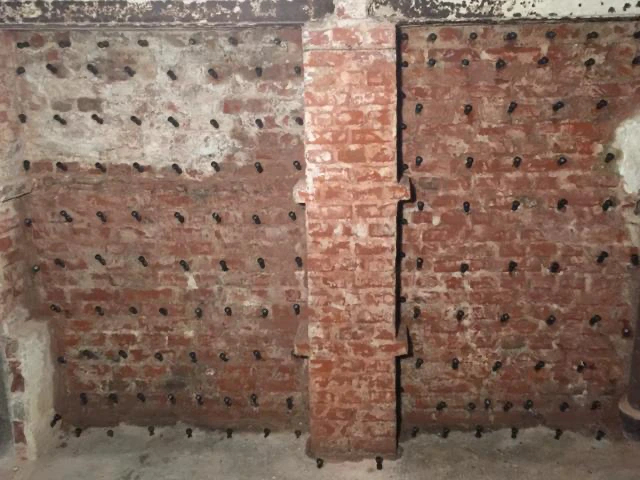
Approximately 80 m² of wall surface in mixed masonry up to 1.80 m thick below moat level were treated. After around six months of drying, renovation plaster was applied to some areas; historic stone surfaces remained exposed.
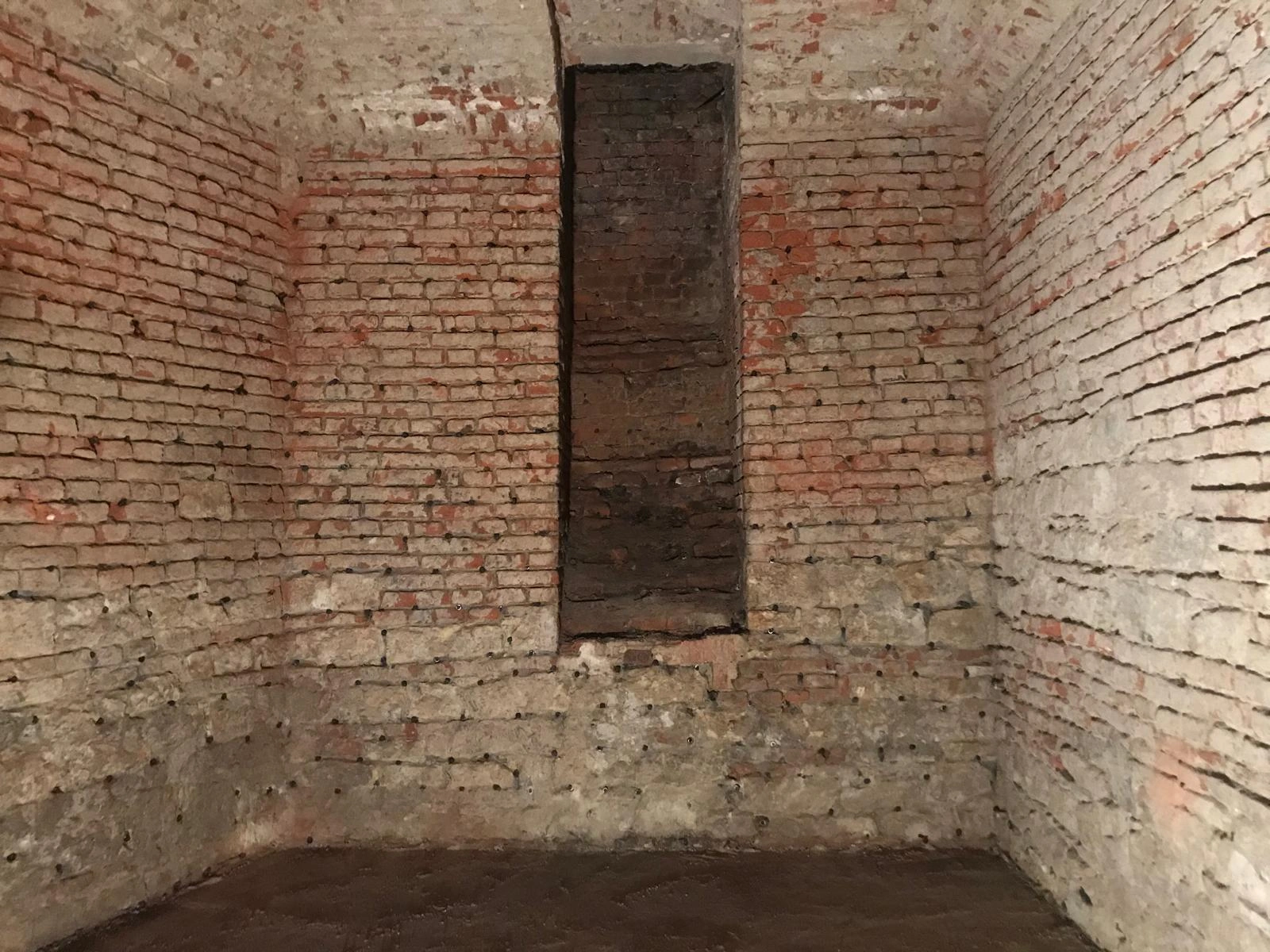
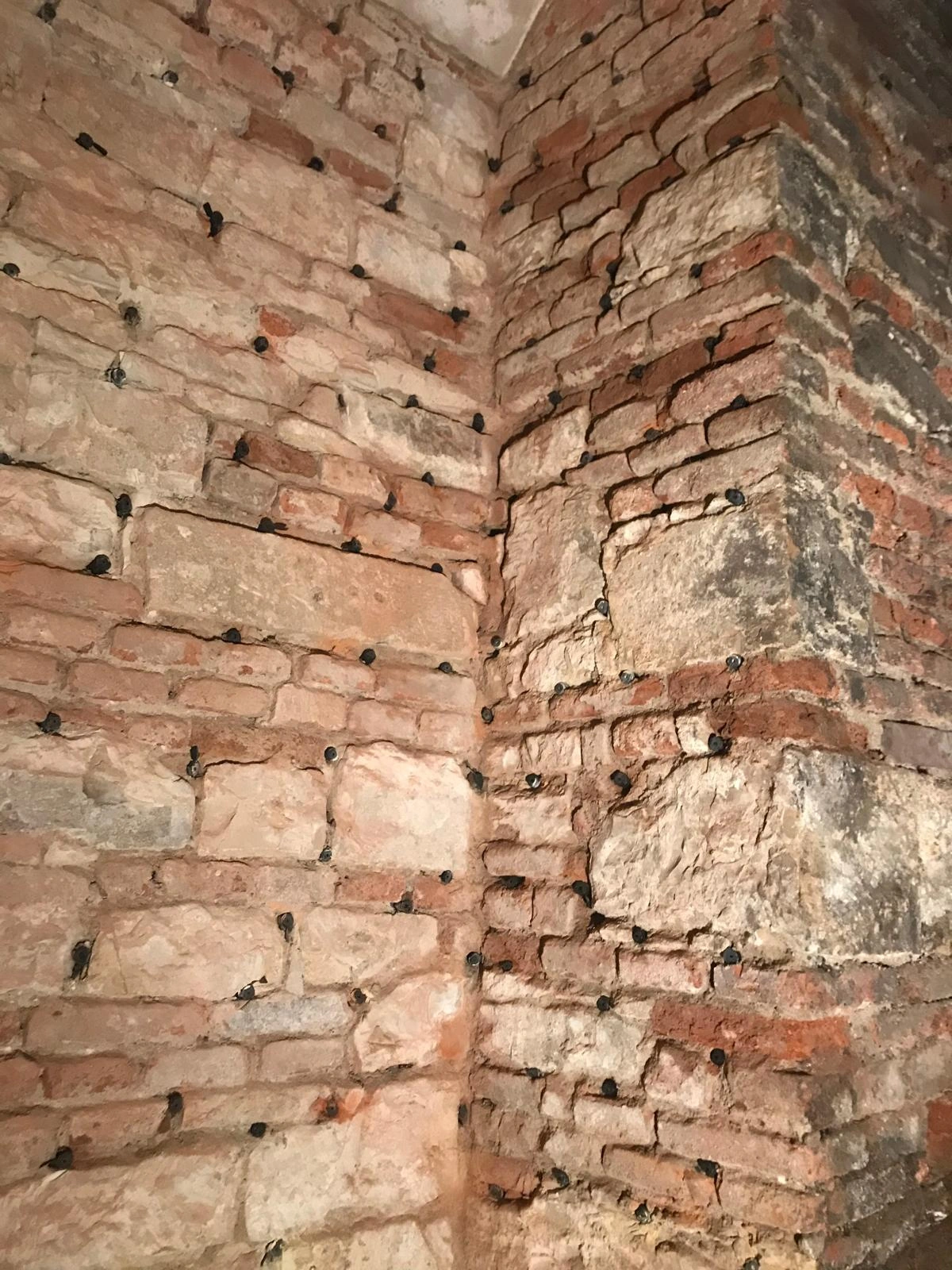
Our regional specialist partners are personally available on site for consultation, condition surveys and renovation.
Enquire about a project in your regionFrom research to analysis of material behaviour in masonry: find an overview of the research, investigations and material assessments here.
View research report
 Hygiene-Institut

We have solutions.
wetBLOC is suitable for almost all capillary-porous masonry types, including brick, sand-lime brick, natural stone and hollow blocks. A specialist partner assesses suitability based on the wall construction, masonry condition and existing moisture exposure.
No, usually not. wetBLOC is injected into the masonry from inside, so extensive earthworks can be avoided. In over 3,500 projects so far, we have been able to avoid exposing the exterior walls.
Remediation is carried out by specially trained wetBLOC specialists. Your regional contact supports you from personal consultation and planning through to professional execution and aftercare.
Costs depend on the size of the wall areas to be treated, masonry condition, moisture exposure and scope of renovation required. After the on-site examination, you will receive a quotation tailored to your building.
wetBLOC and EPASIT provide a voluntary 15-year system warranty on the agreed waterproofing measure. This requires approved EPASIT products, professional application in accordance with technical guidelines and complete documentation. The warranty covers functionality against the moisture exposure defined in the remediation plan. If a functional defect covered by the warranty is demonstrated, remedial work is carried out free of charge in accordance with the warranty conditions. Statutory rights in respect of defects remain unaffected. Your executing specialist partner will provide the specific warranty conditions.
Your regional wetBLOC specialist partner assesses the building conditions and works with you to develop a remediation plan tailored to your building.
Request a consultation