wetBLOC
 ®Request a consultation
Damp basement walls, salts or mould: understand the damage and have the cause professionally investigated.
Learn more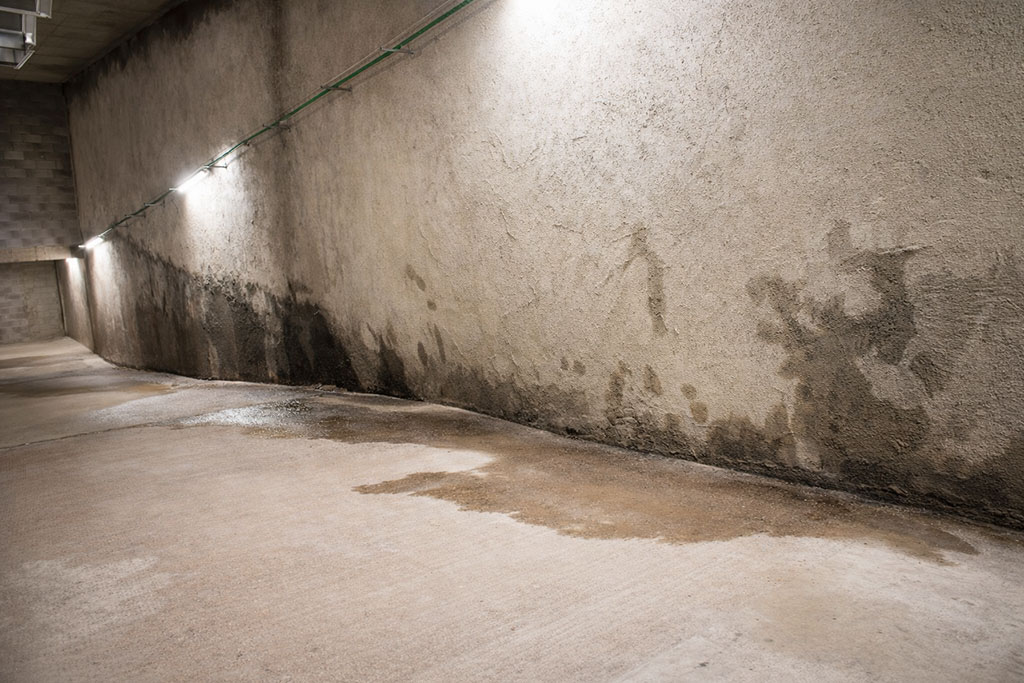 Moisture in masonry
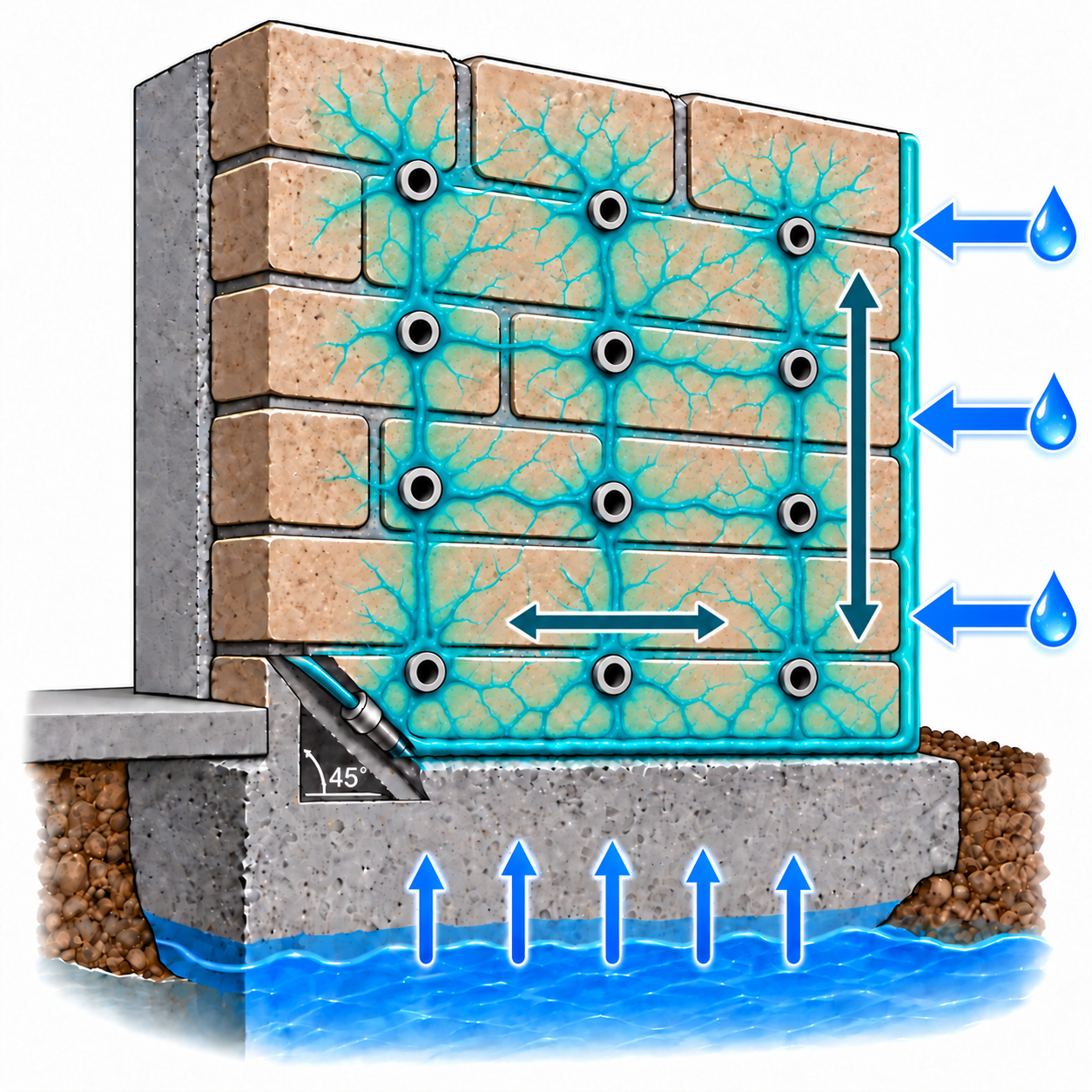
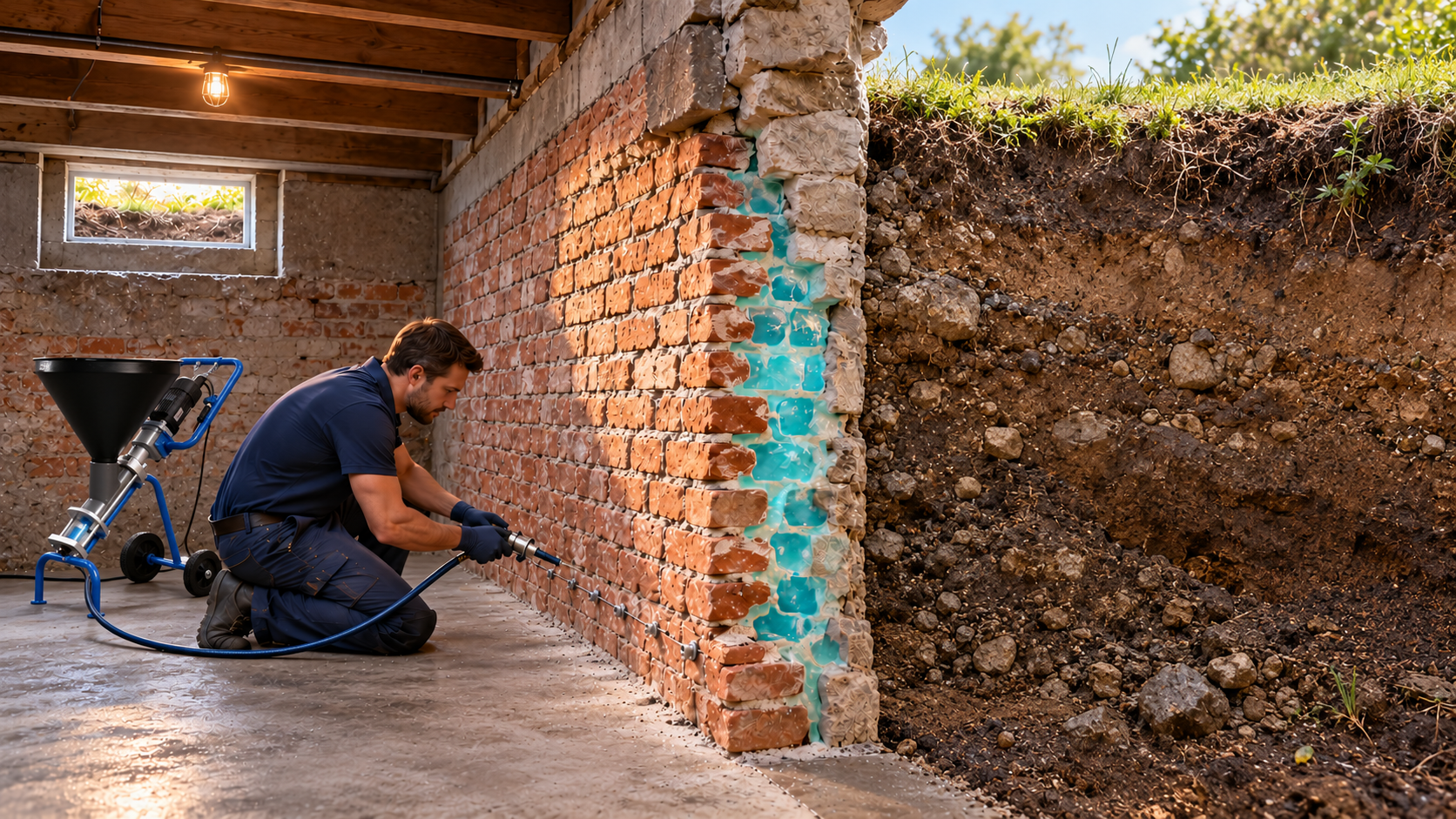
How wetBLOC works: waterproofing masonry from within against rising damp and lateral moisture ingress.
Learn more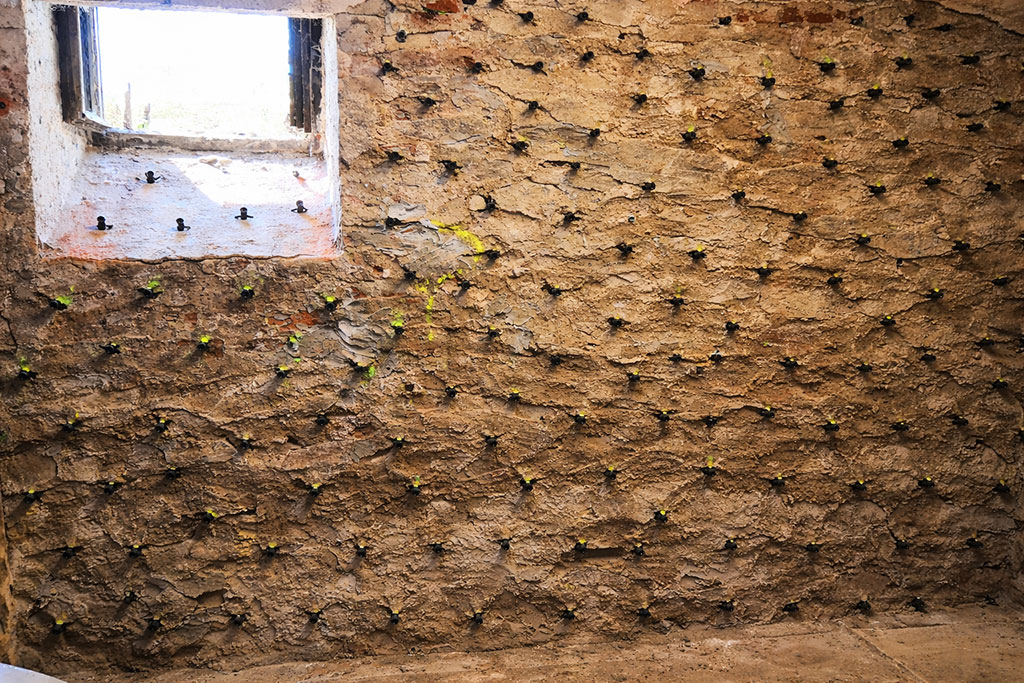 Waterproofing existing masonry
Discover the benefits of waterproofing from inside for your building.
Learn more Illustrative image
From assessment to follow-up work: the steps for your building.
Learn moreIllustrative imageFour reference projects offering insights into the renovation and detailed project reports.
Learn more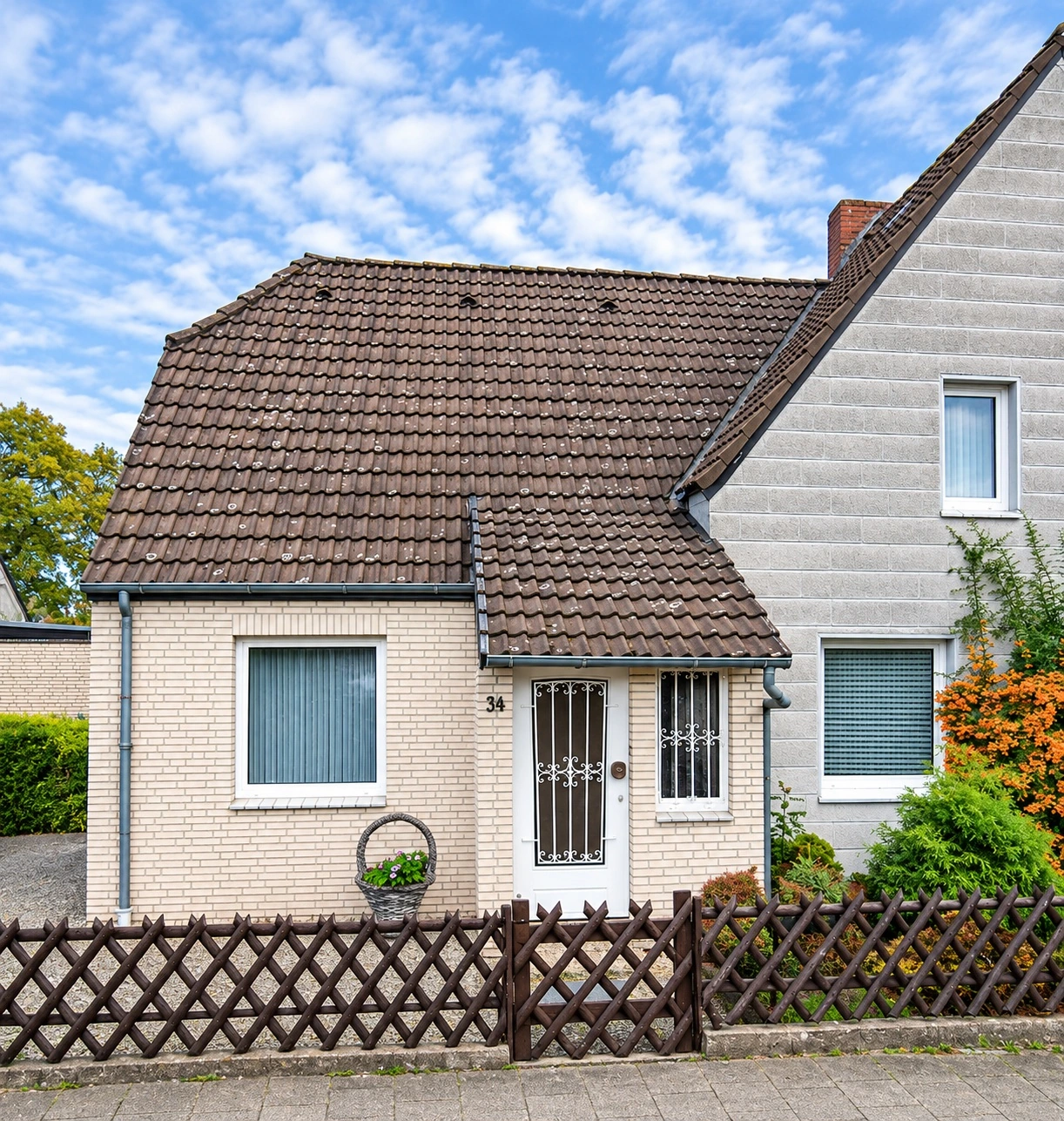 wetBLOC reference photograph
Costs, duration, plaster work and warranty: answers to help prepare your enquiry.
Learn more Consultation · Visualisation
System profile, planning and execution: the fundamentals and application limits of the wetBLOC method.
Learn moreWaterproofing existing masonrySelective filling of outer cavities with flowable injection mortar and swellable polymer technology.
Learn more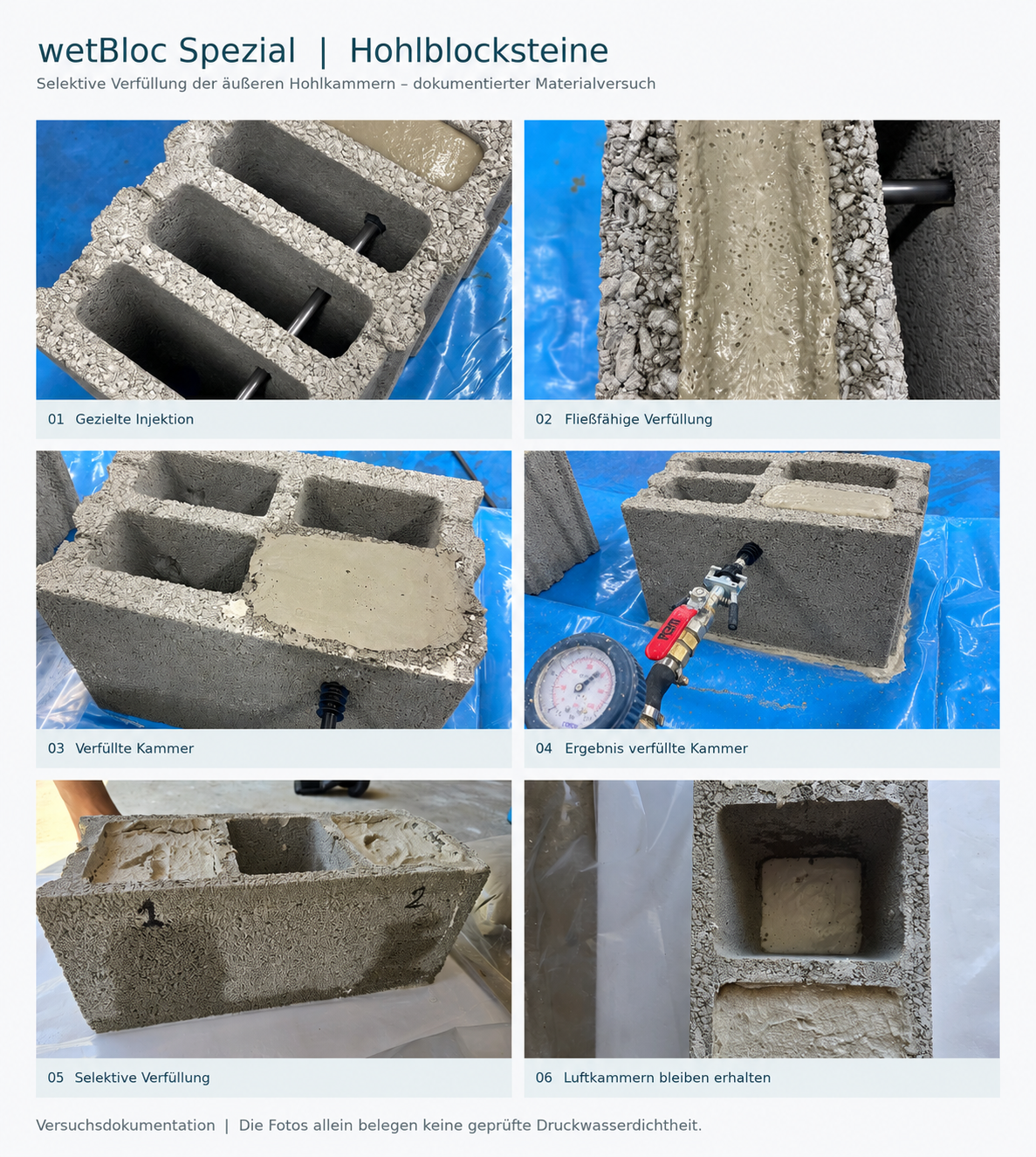 Selective cavity filling
Chemical and technical operation in detail: capillary transport, polymer structure and microscopic investigations.
Learn more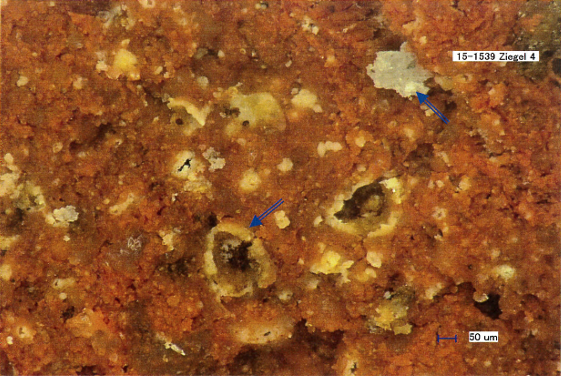 Material photograph from the wetBLOC documentation
Polymer gel, wall sawing, injection resins and water-repellent treatment: the comparison table from our NRW landing page.
Learn moreMaterial photograph from the wetBLOC documentationOriginal material photographs and the research report complement the technical assessment.
Learn more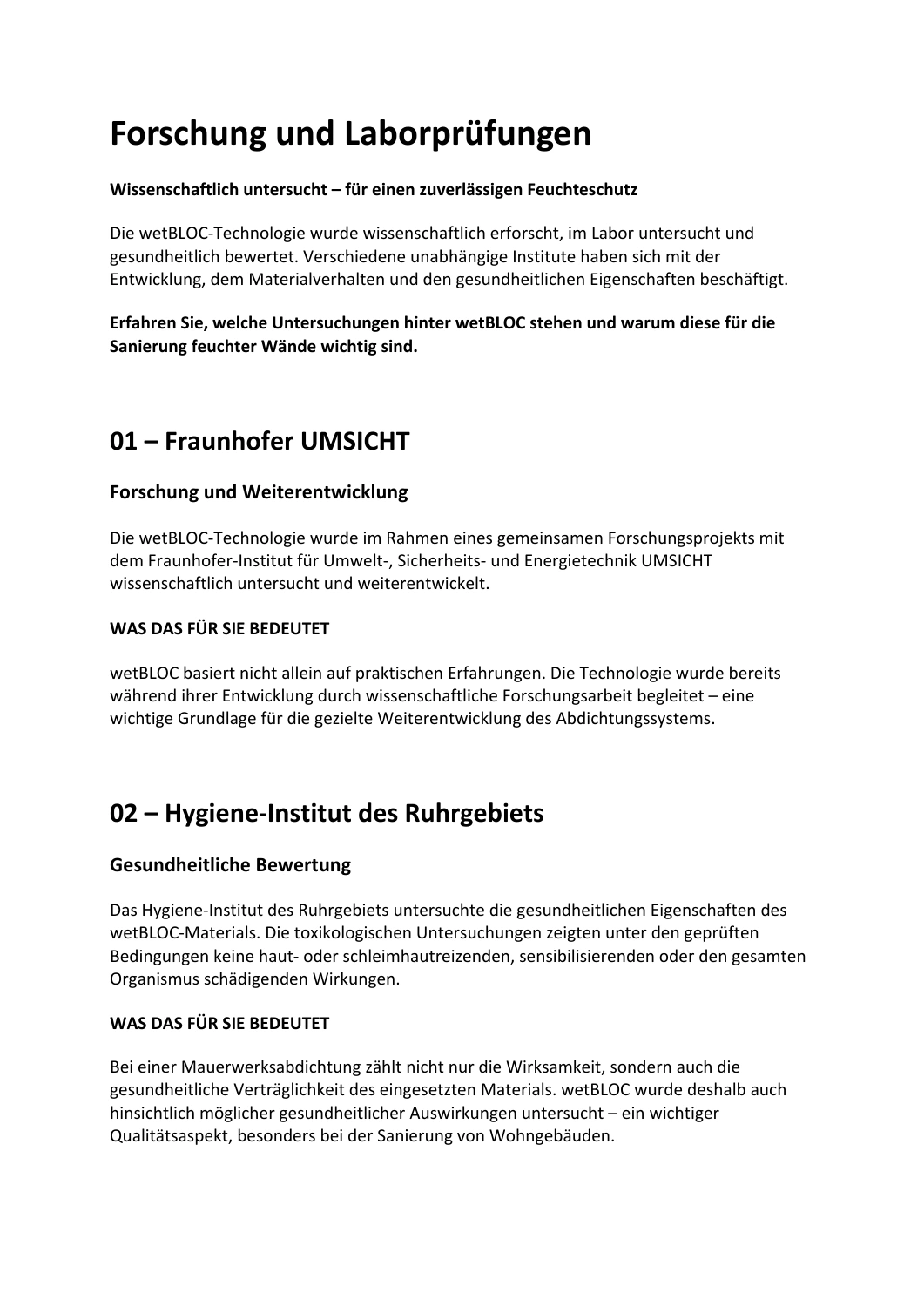 View report · 3 pages

Bremen · Bremerhaven · Delmenhorst
Explore region
Köln · Düsseldorf · Dortmund
Explore region
Stuttgart · Mannheim · Karlsruhe
Explore region
Frankfurt am Main · Wiesbaden · Kassel
Explore region
St. Gallen · Chur · Schaffhausen
Explore region
Luzern · Emmen · Zug
Explore region
Zürich · Winterthur · Uster
Explore region
Lugano · Bellinzona · Locarno
Explore region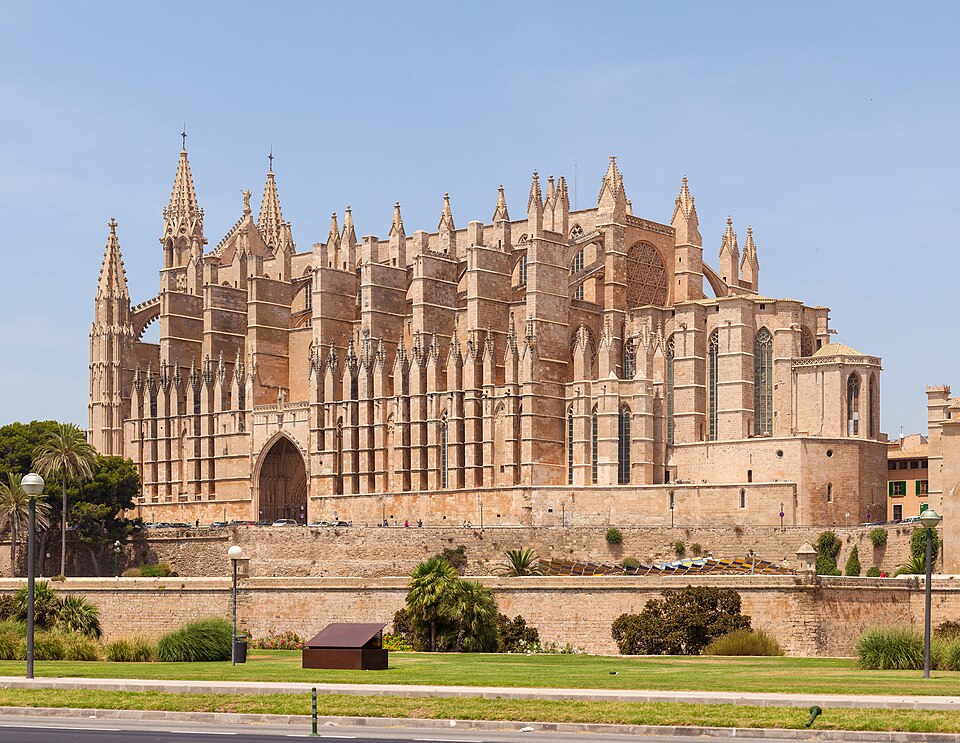
Palma · Ibiza Town · Calvià
Explore region AI illustrative image
Our network is under development.
More about ItalyGet to know our company, the development of wetBLOC and the people behind the system.
Learn more








 The people behind wetBLOC
Answers on technology, application, warranty and partnership – all in one place.
Learn moreConsultation · VisualisationComprehensive renovation in Hannover and remedial treatment in Mannheim: project reports with original photographs and technical details.
Learn morewetBLOC reference photographRemediation of existing properties: requirements, project preparation and coordination for property managers, businesses and planners.
Learn more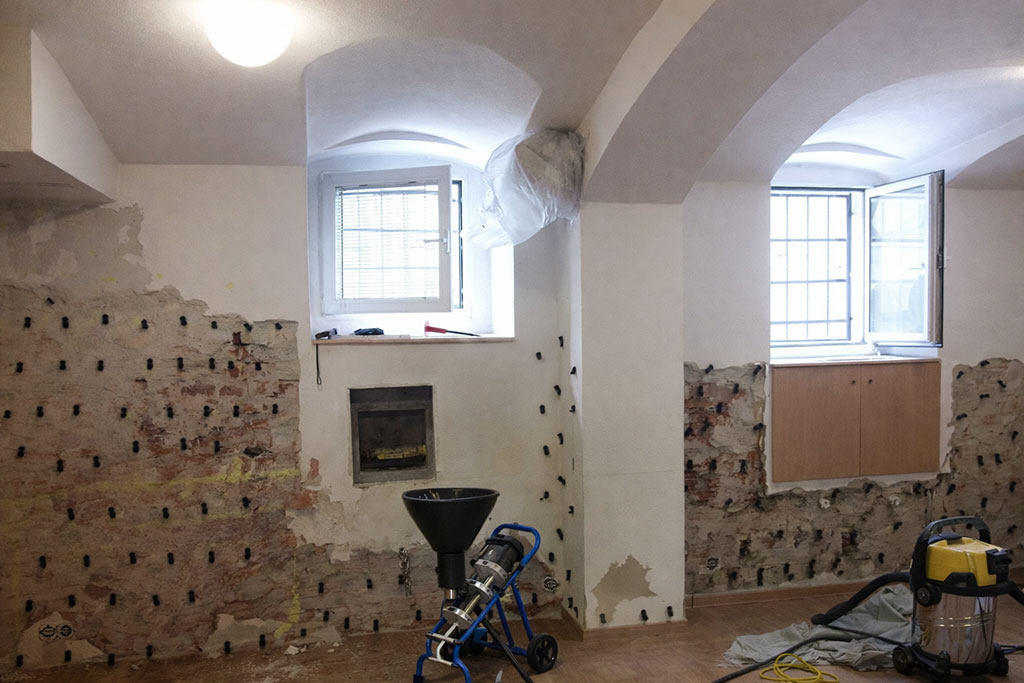 Remediation of existing properties
The partner offering, technical requirements and the route from enquiry to trained application.
Learn more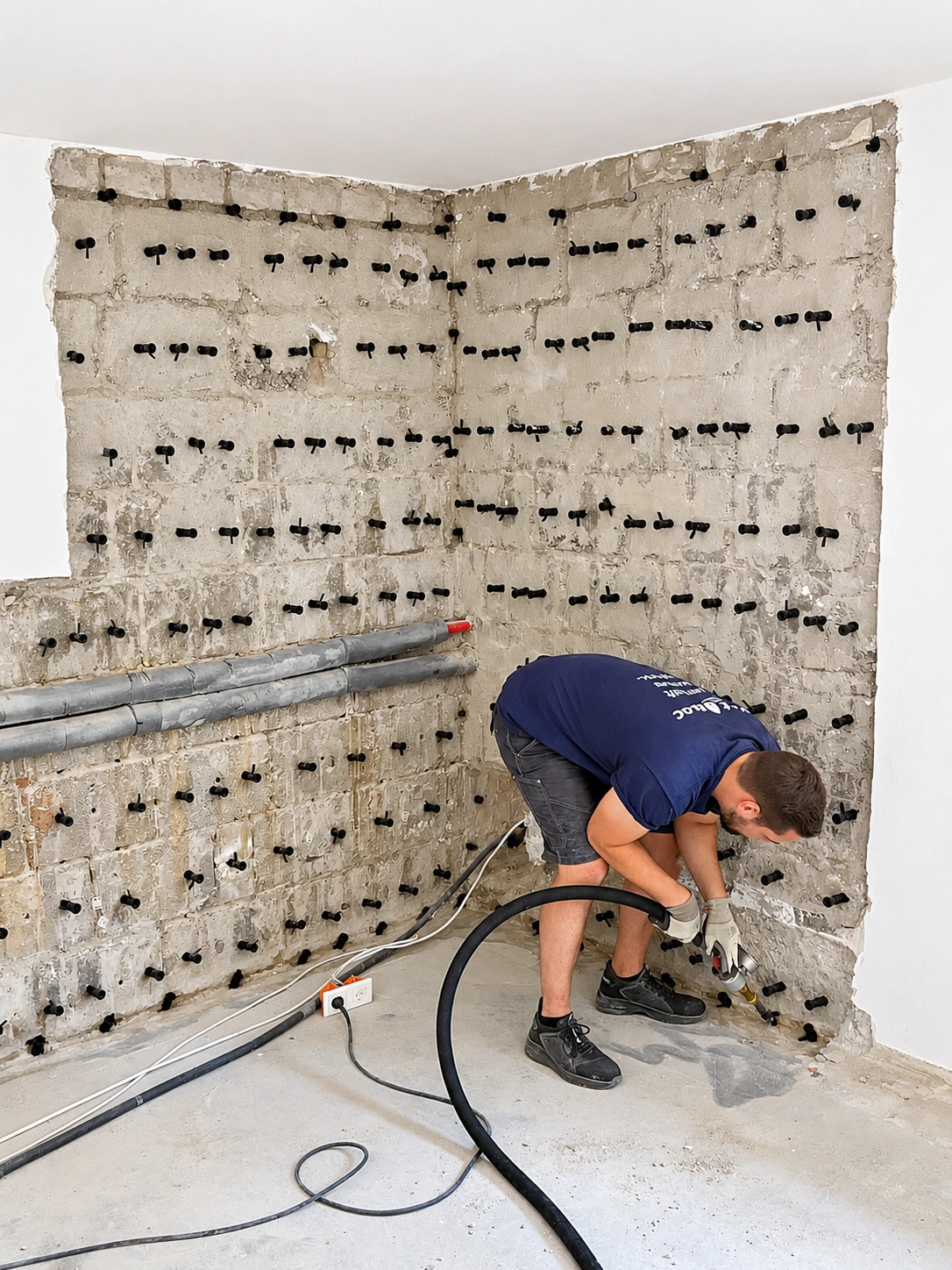 Qualification and practical application
wetBLOC, wall sawing, injection resins and water-repellent treatments compared — from operating principles to intervention in the masonry.
Compare methods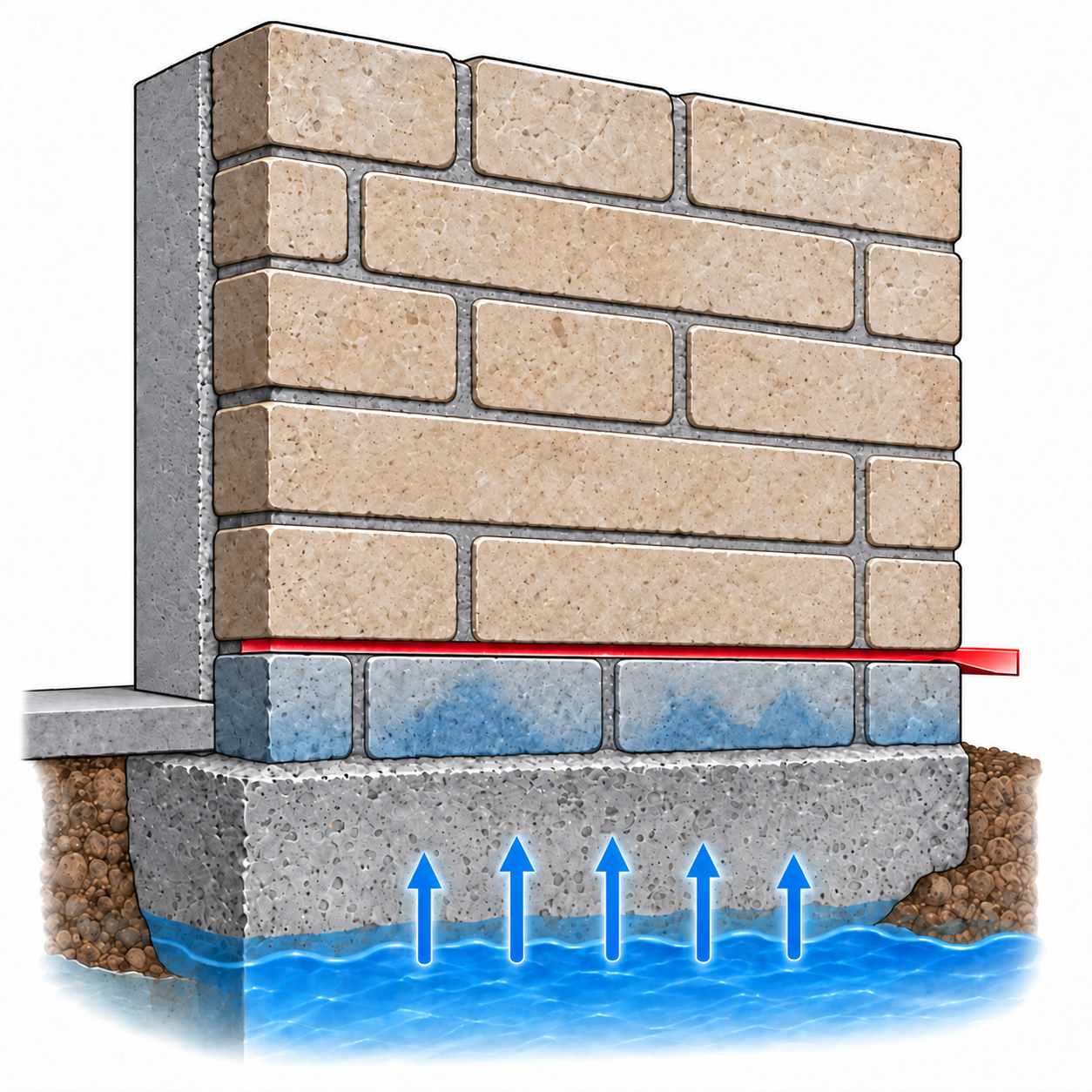
| Criterion | Our systemSwellable polymer gel | Wall sawing method | Injection resins | Water-repellent treatment |
|---|---|---|---|---|
How it worksSimplified illustration
| | | | |
The table provides a general classification of the applications described, not an assessment of every product within a method category. Properties and suitability depend on the specific product, masonry and execution. The wetBLOC warranty applies in accordance with the warranty terms, subject to professional planning and execution.
What matters when choosing waterproofing for your building.
The starting point is an examination of the building: Where does the moisture come from, how is the wall constructed and which areas are affected? Your specialist partner interprets the findings and recommends a suitable renovation concept. The table helps compare the methods.
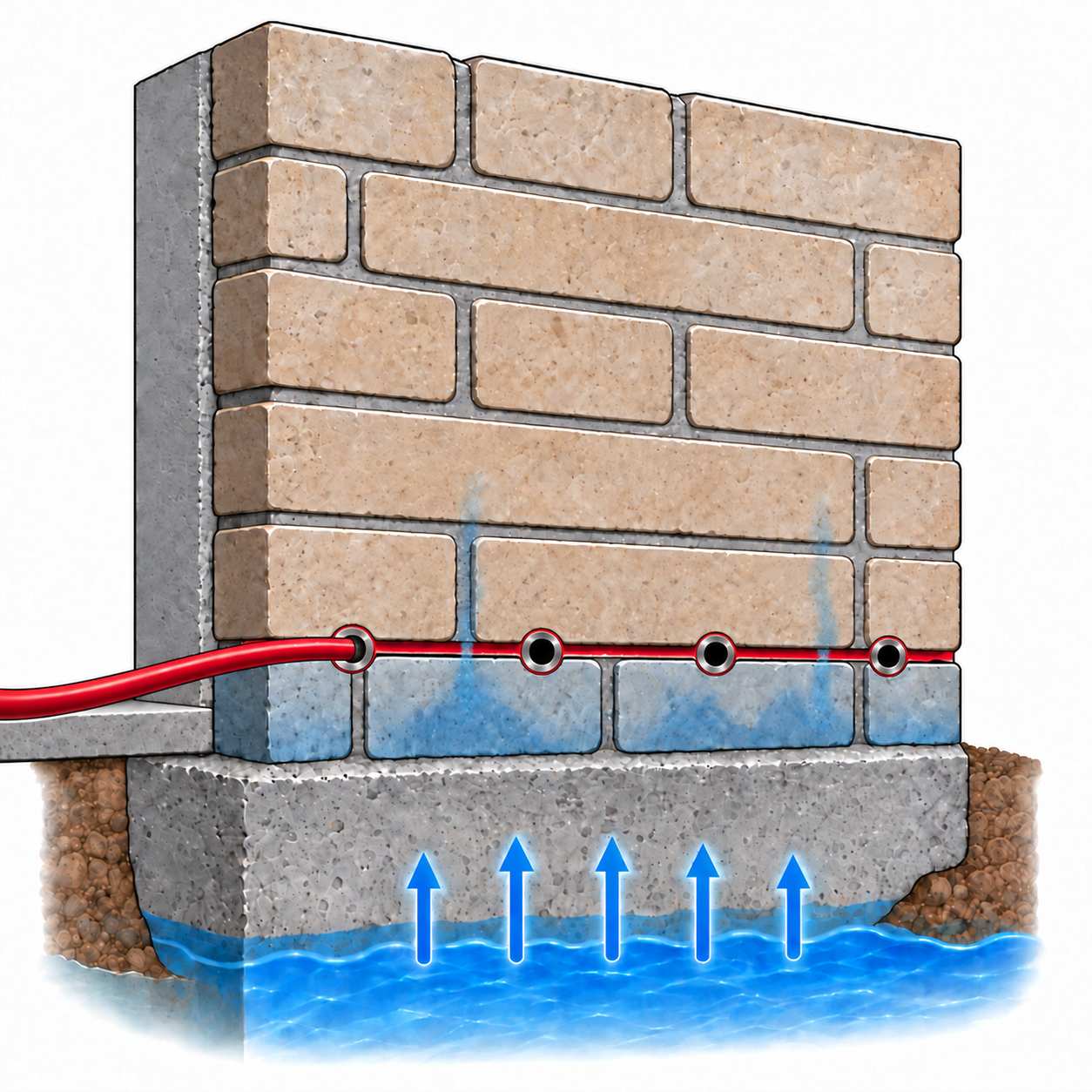
A horizontal barrier is intended to interrupt upward capillary moisture transport. Vertical waterproofing addresses lateral moisture ingress through the wall surface. The measures required depend on the actual moisture pathway.
Water-repellent agents change the wettability of capillary walls. wetBLOC uses existing moisture to spread within the pore system, where swelling and crosslinking form a capillary-sealing zone. Suitability must be assessed for the existing masonry in each case.
Water vapour diffusion and capillary water transport are different processes. Vapour-permeable waterproofing continues to allow water vapour through. Subsequent drying also depends on the wall construction, surfaces, indoor climate and remaining moisture load.
No. Building material, voids, wall thickness, moisture saturation and masonry condition influence the selection. Products also differ within a method category. The findings and technical documentation for the intended system are decisive.
Depending on the findings, drying, treatment of affected surfaces and a suitable plaster system may also be needed. These works should already be included in the remediation plan and quotation.
Compare the same scope of work: investigation, waterproofing area, preparation, materials, execution and agreed follow-up work. Also clarify which warranty conditions apply and who will carry out each service.
Have your existing properties assessed and discuss the next steps with a wetBLOC specialist partner.
Request a consultation