 ®



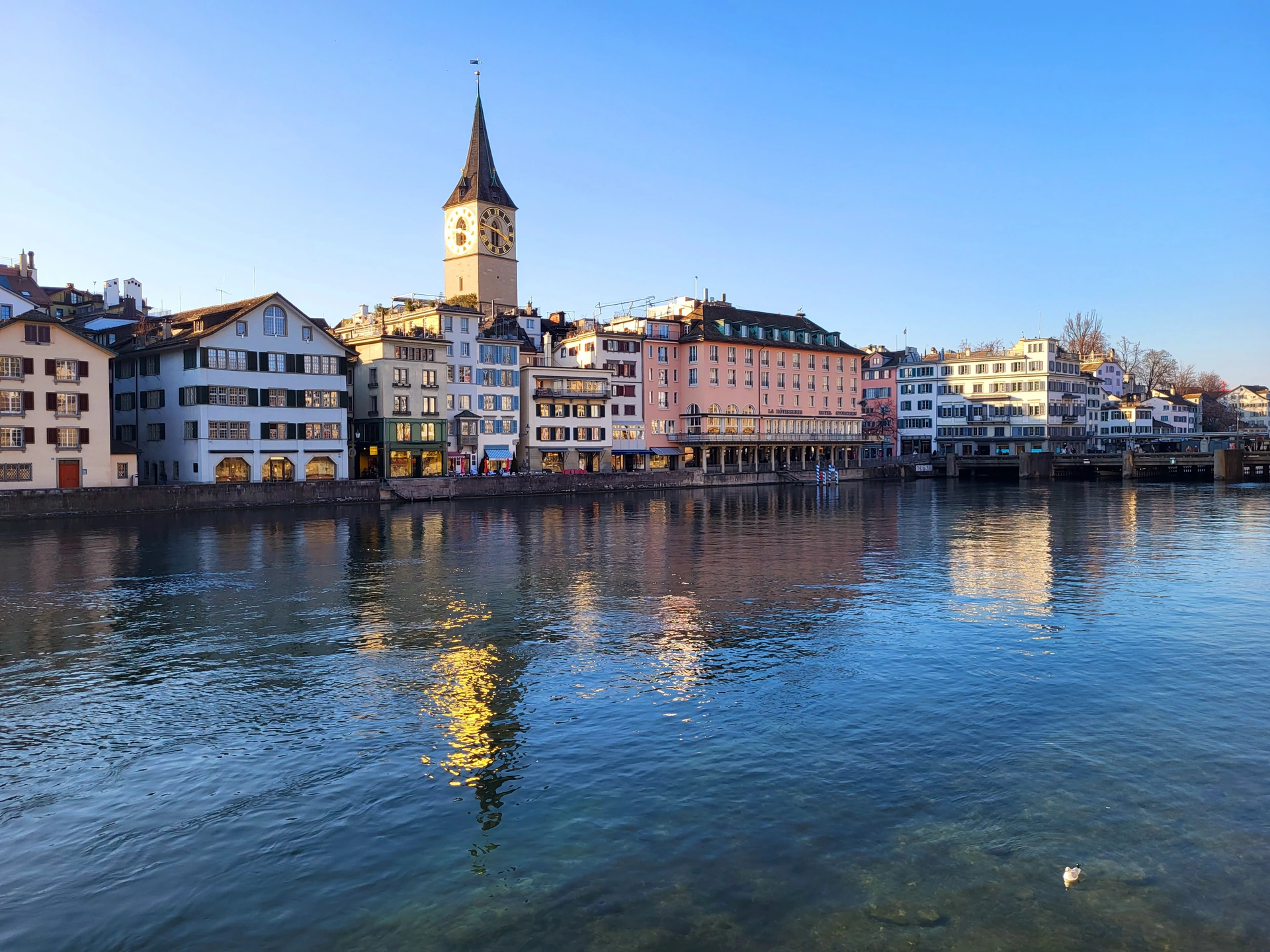

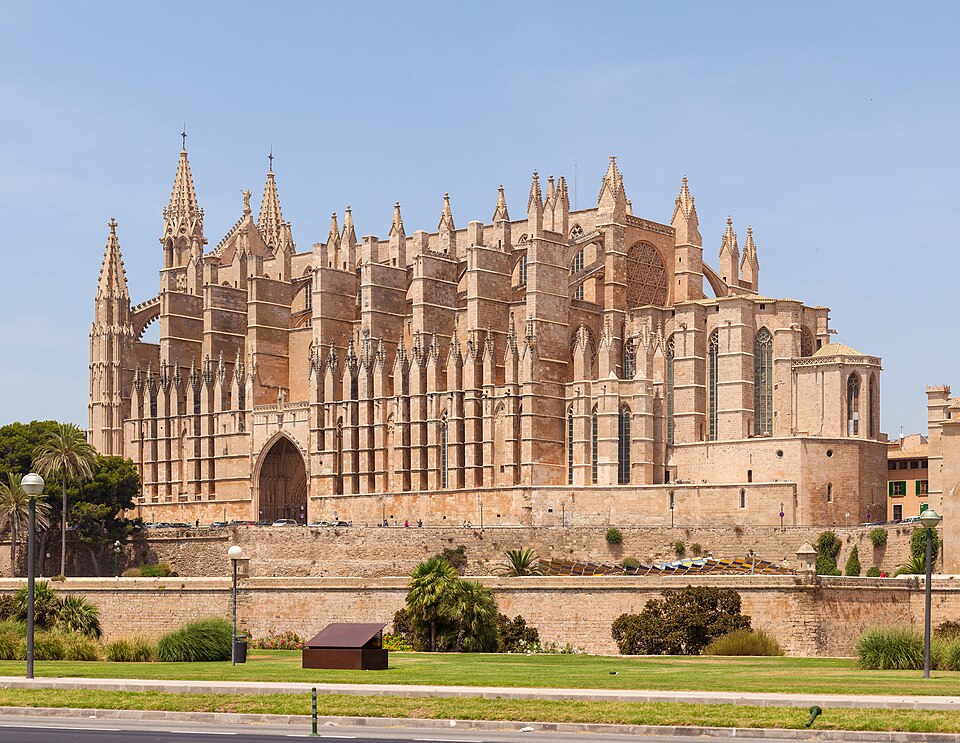











Renovating historic church buildings places special demands on moisture protection. Solid masonry structures, different building materials and long-term preservation of the existing building fabric must be considered in planning. In this church building, moisture damage was visible both on the exterior façade and in various interior areas. The renovation aimed to address the causes of moisture and treat the affected masonry areas specifically with wetBLOC technology.
Historic church building with moisture problems in the masonry
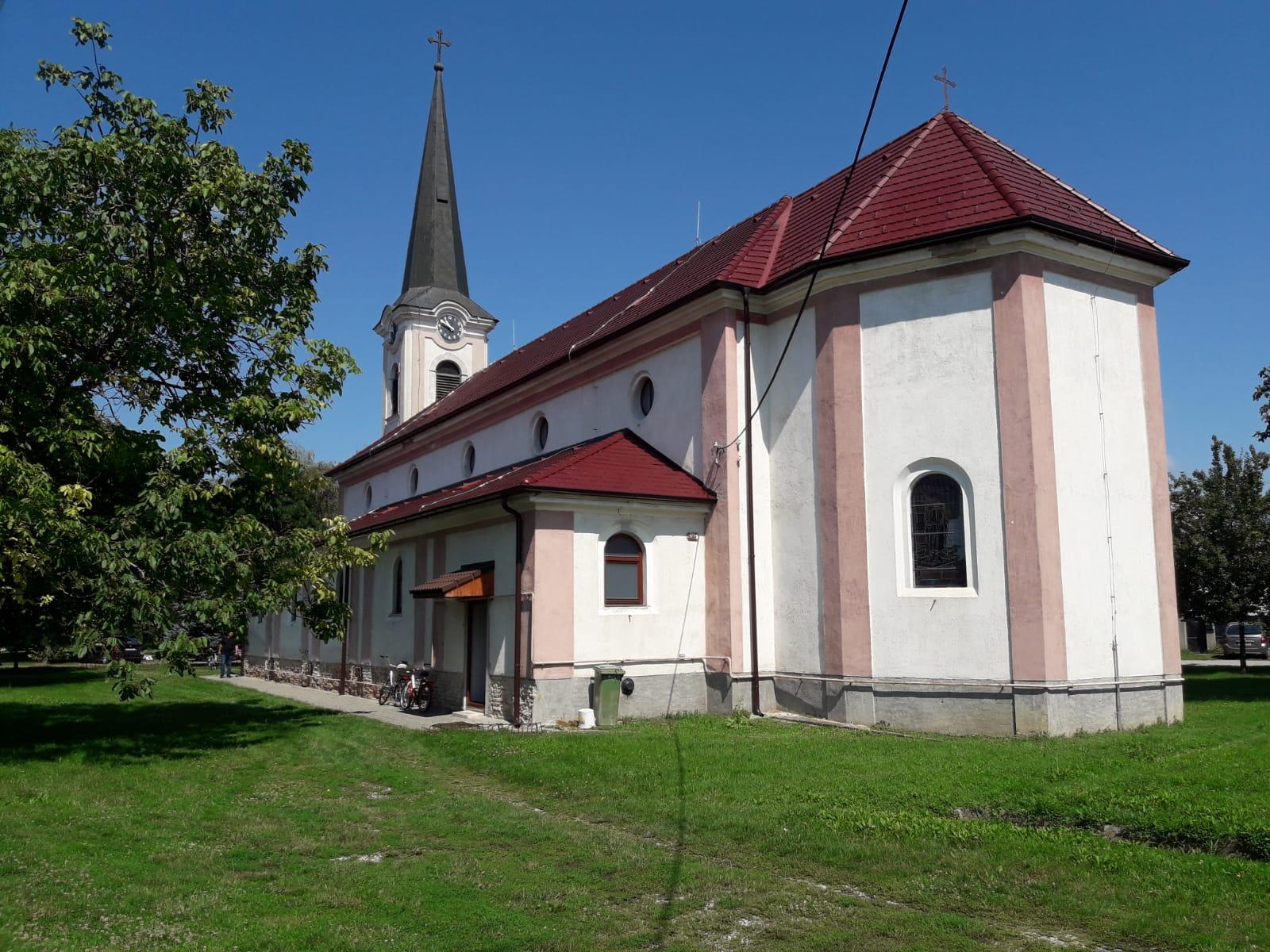
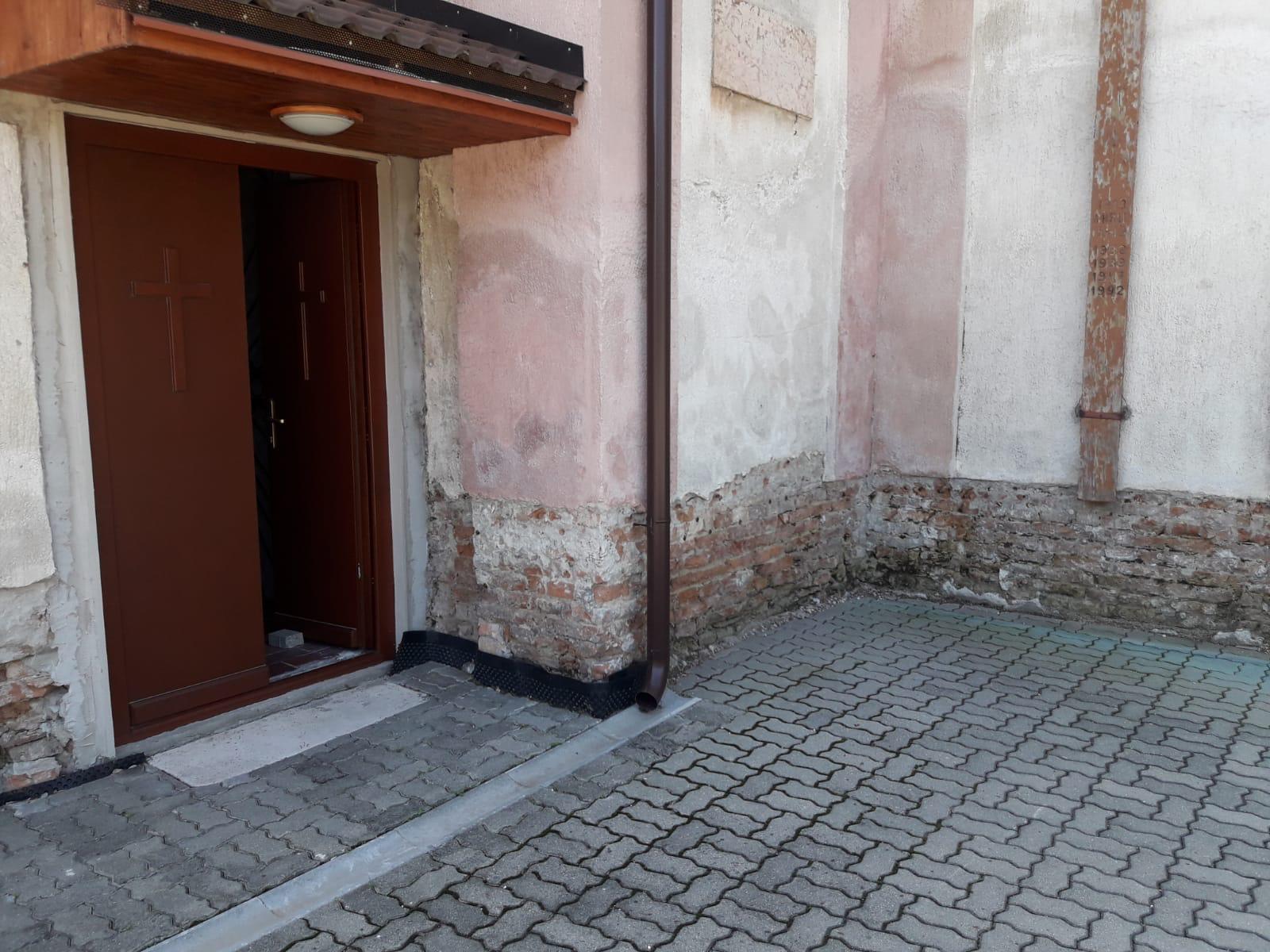
The church is located in the Prague area of Czechia. Its architecture features Baroque and Late Baroque design elements. The building has no basement and is constructed of solid masonry. Over the years, considerable damp had developed, causing salt efflorescence and plaster damage, particularly in the lower wall areas.
Preserving the historic building fabric was a particular challenge. The renovation therefore had to minimise the impact on the existing building structure and church interior fittings.
Rising damp and salt contamination in historic masonry
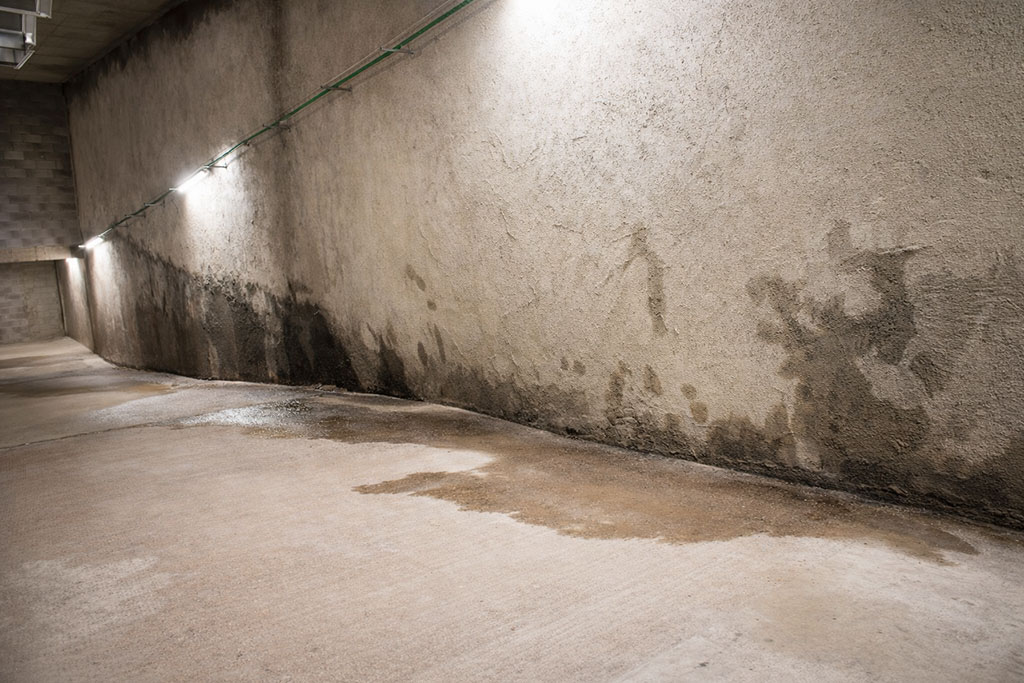
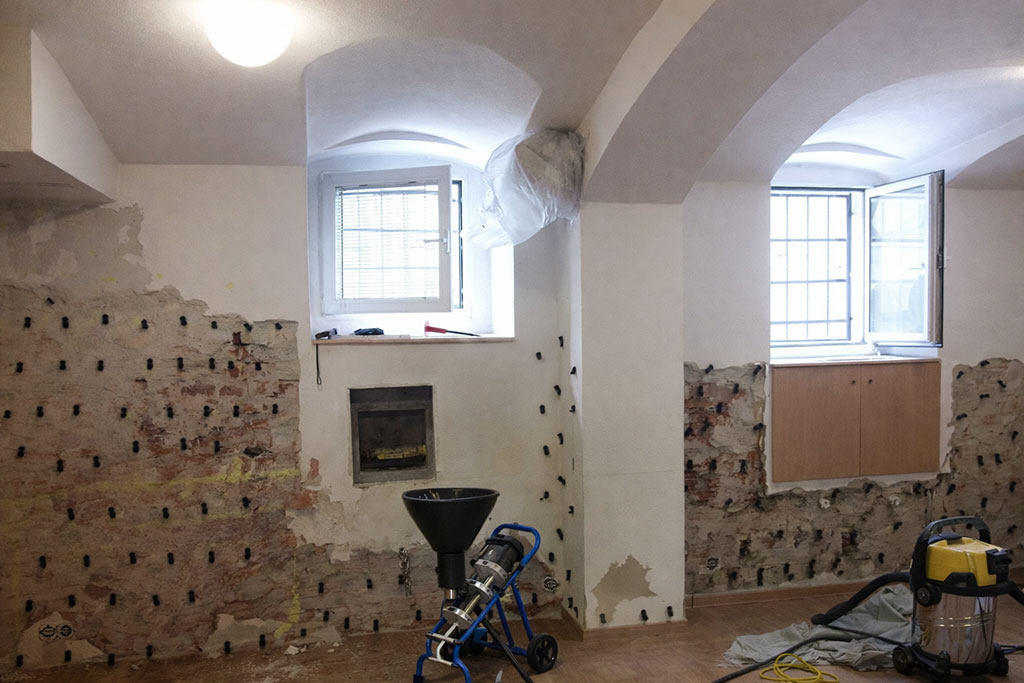
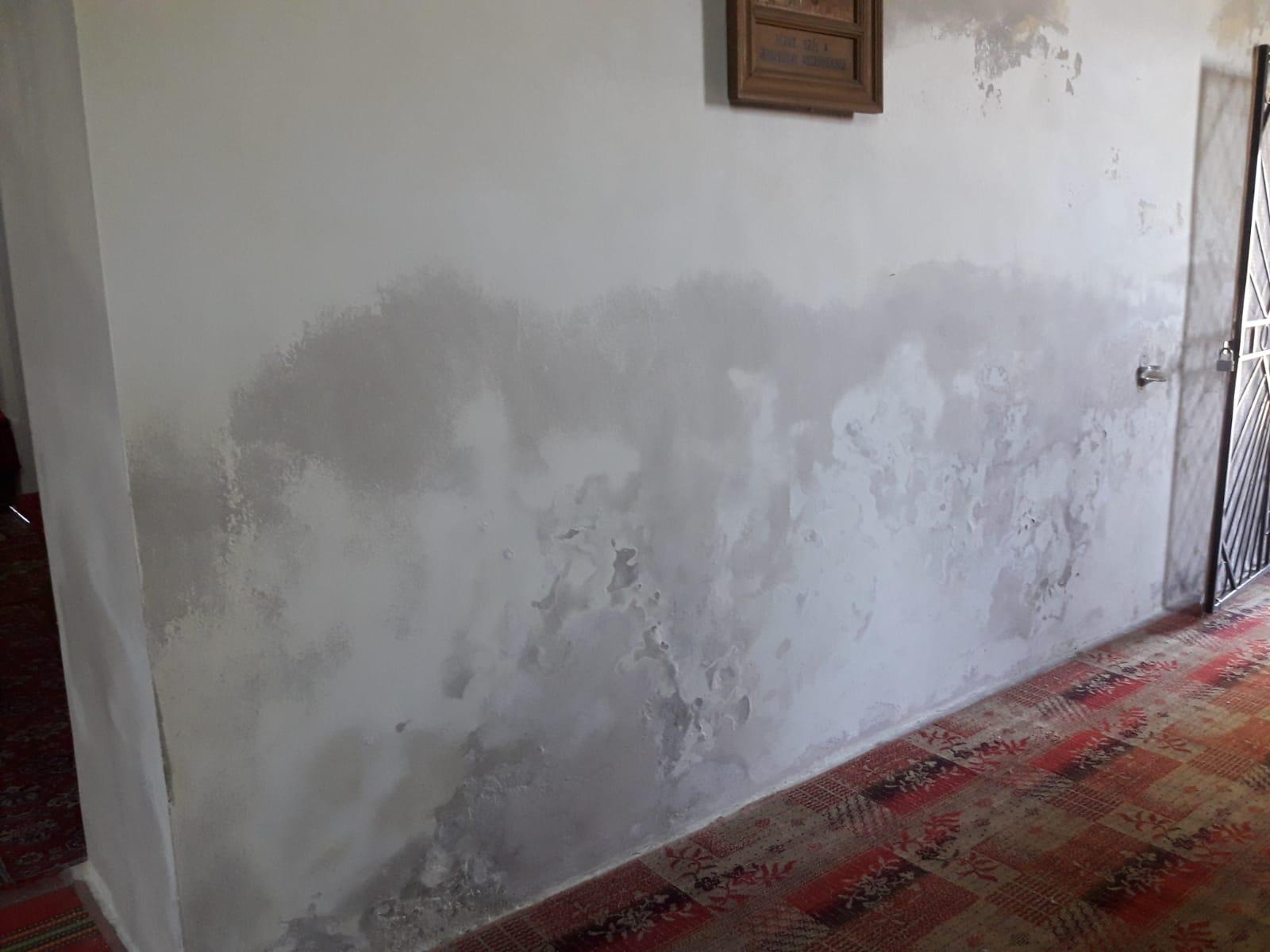
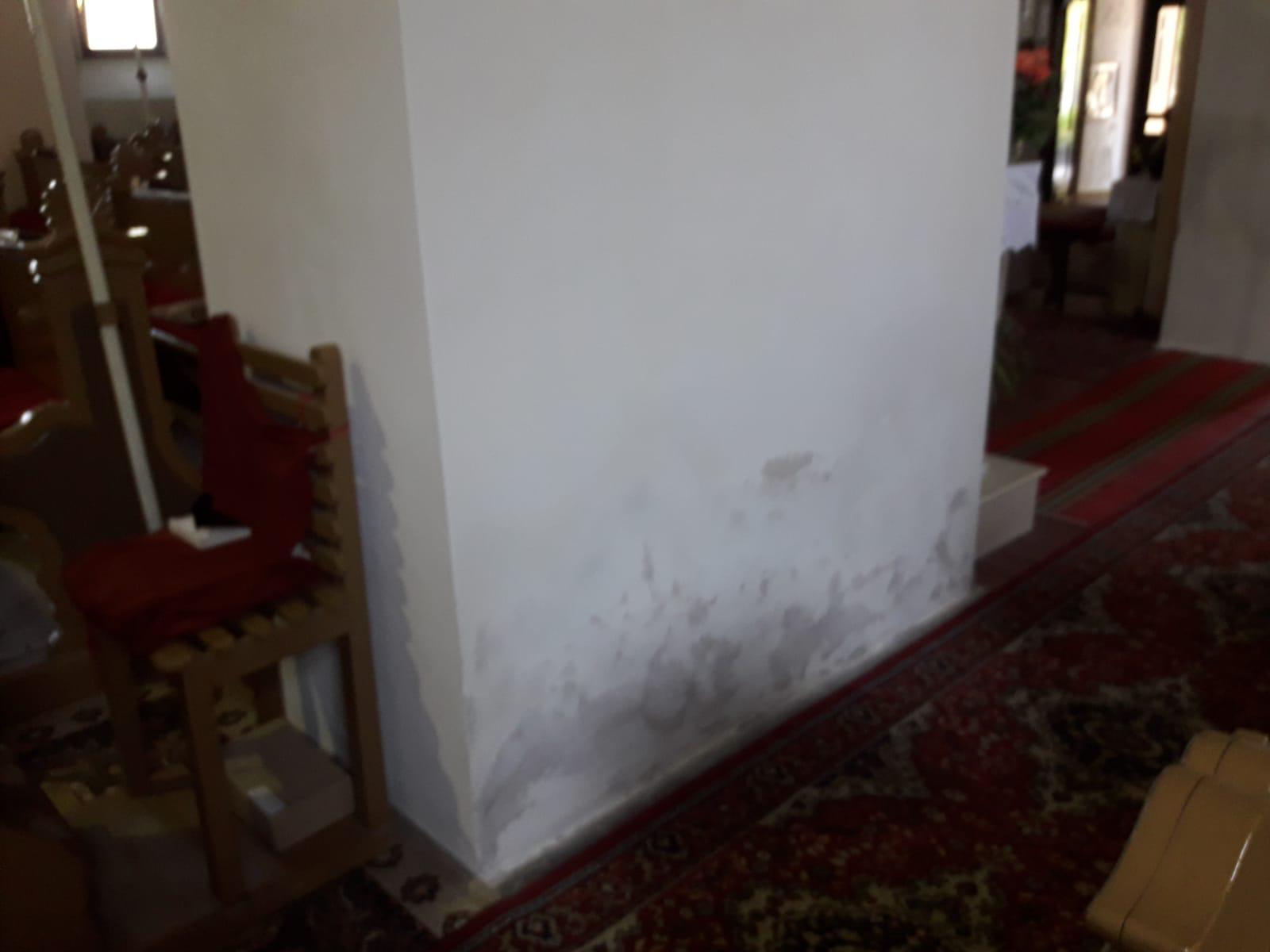
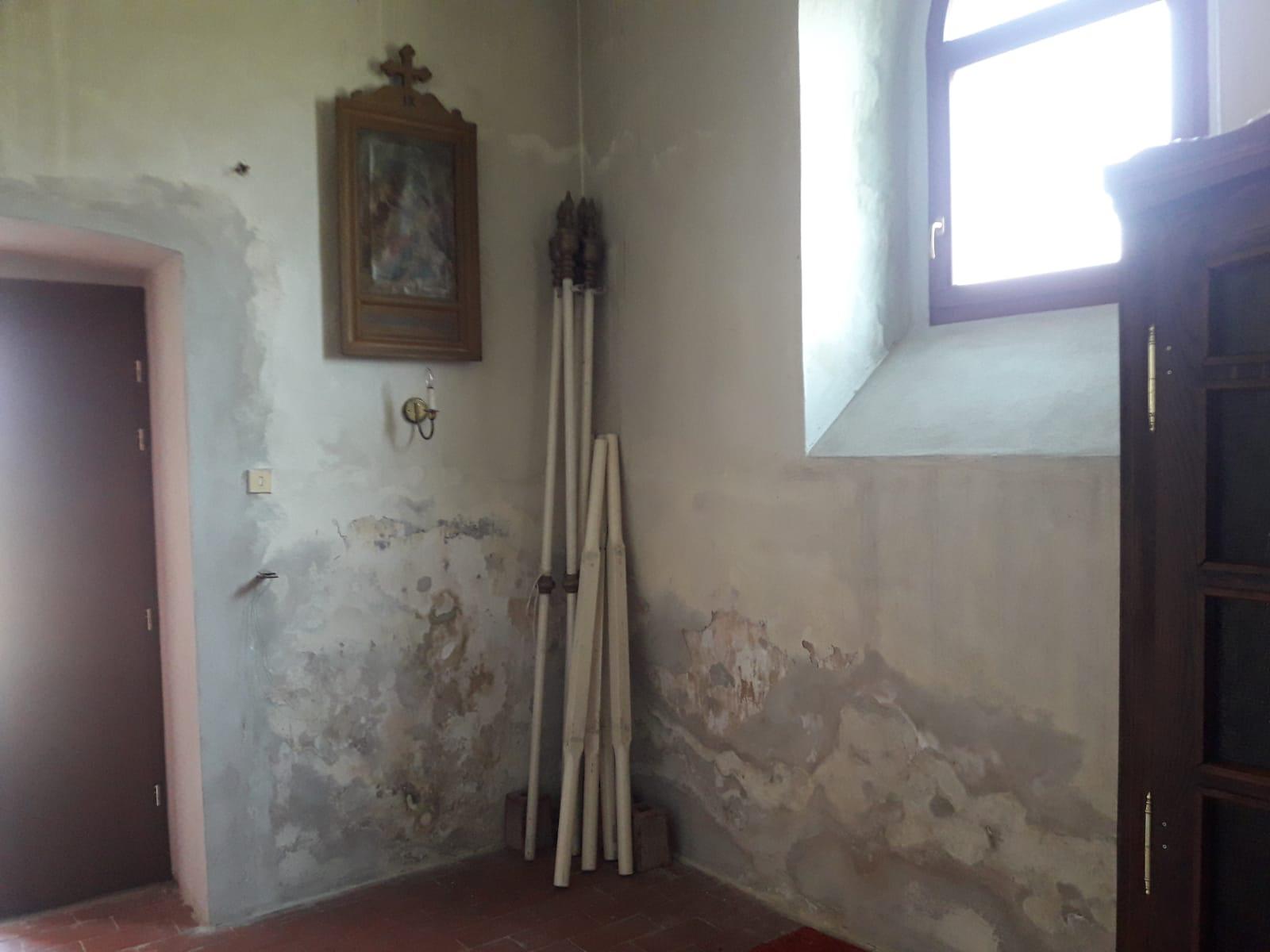
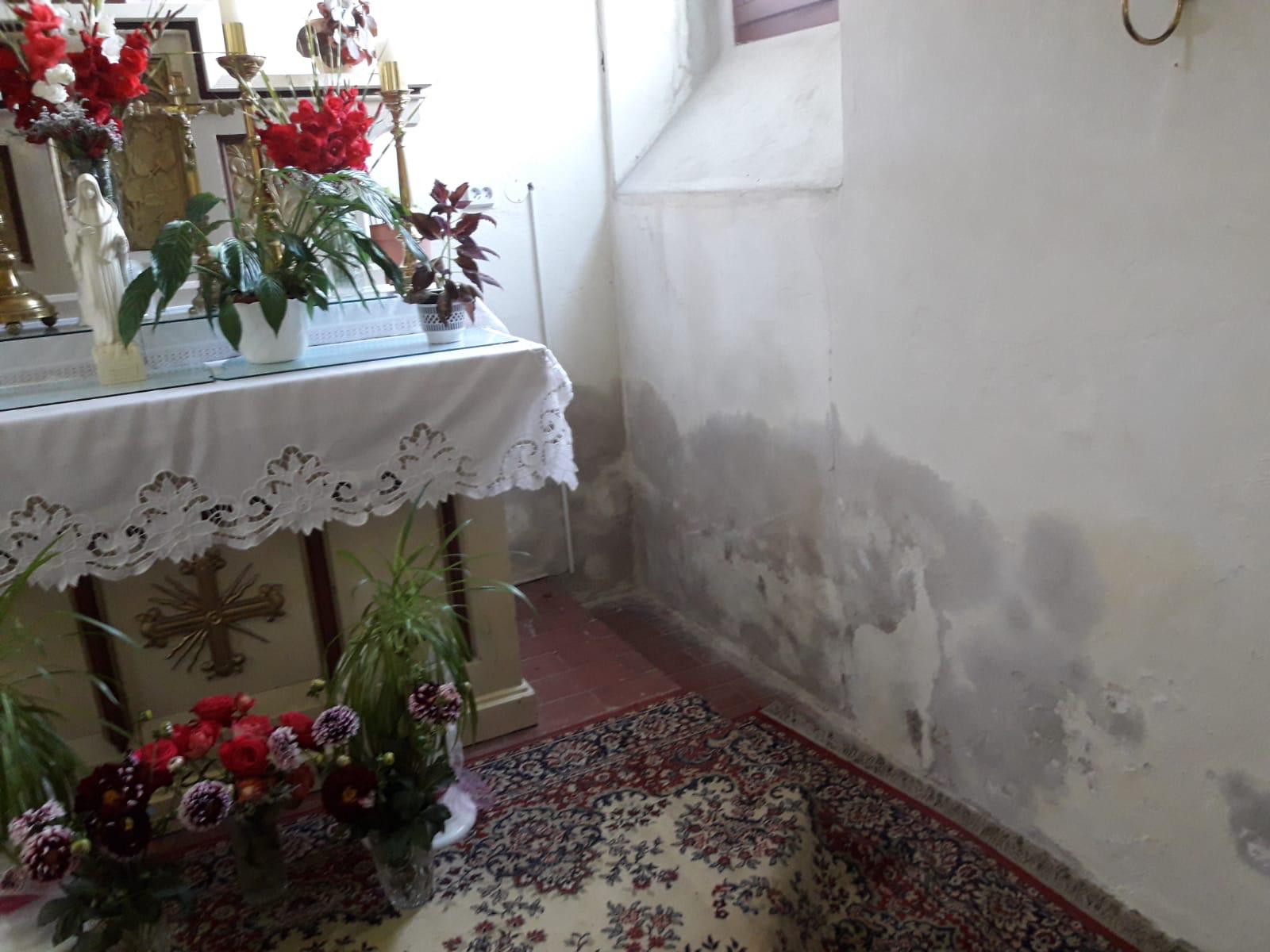
Before remediation began, clear damp damage was visible on several interior walls and outside. The lower wall areas were particularly affected, with extensive discolouration, salt efflorescence, detached plaster and partly exposed masonry.
Rising damp carried dissolved salts through the masonry's capillary structure. Moisture evaporation and the resulting salt crystallisation placed additional stress on the existing plaster layers.
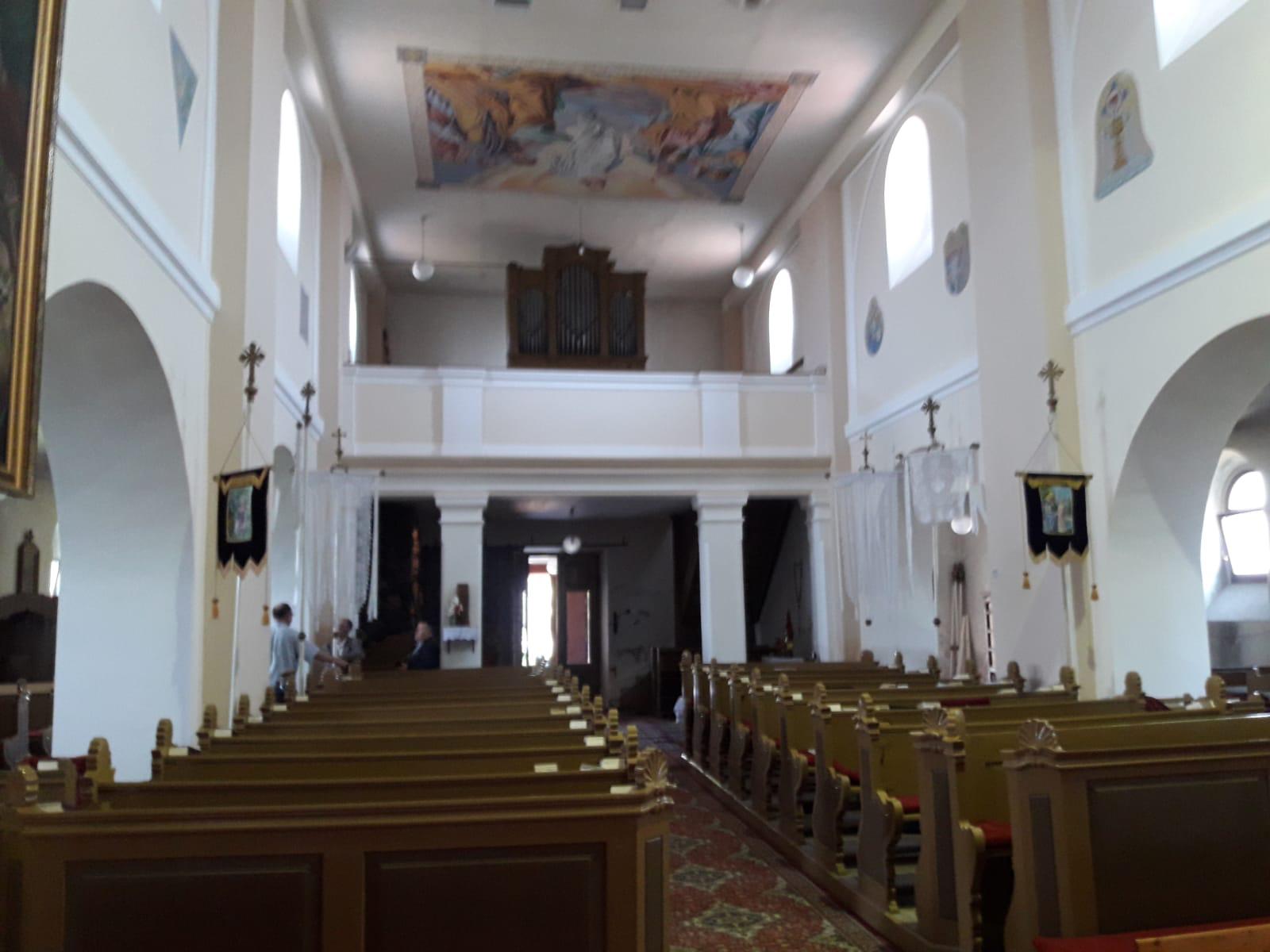
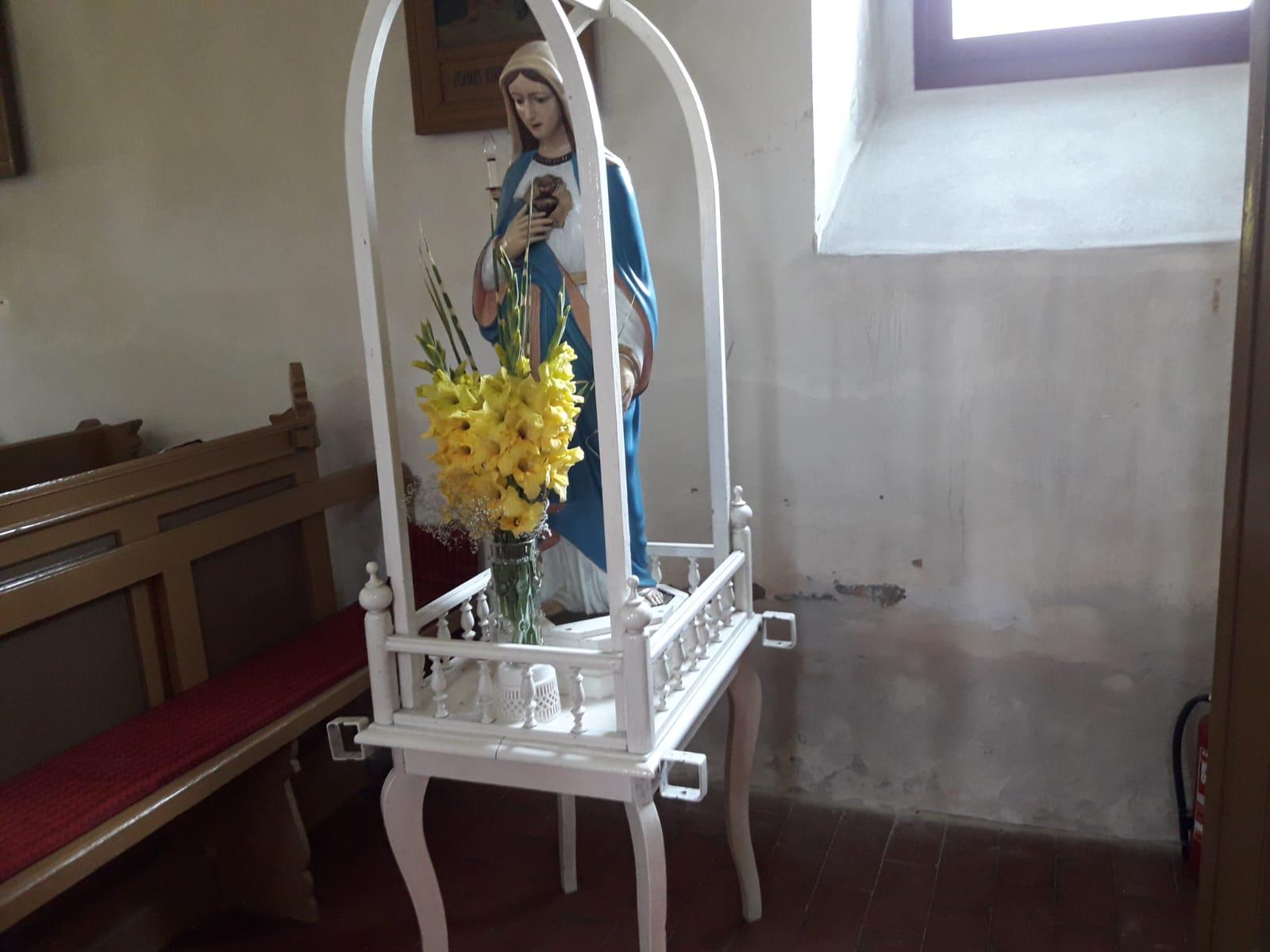
As several damaged areas were immediately adjacent to the church pews, side altars and religious furnishings, the remediation had to meet special requirements for protecting the interior.
Moisture protection that respects historic building fabric
In historic church buildings, options for retrofitting masonry waterproofing are often limited by solid wall construction, varied building materials and the requirements for preserving the historic fabric. Historic plaster layers and sensitive interior fittings must also be considered when selecting and carrying out suitable measures.
Rising damp can be transported by capillary action in porous masonry. Dissolved salts can reach plaster and wall surfaces and cause additional damage as moisture levels change. Limiting upward moisture transport in the affected wall sections was therefore a key focus.
Targeted masonry treatment with wetBLOC
wetBLOC system technology was used for the remediation. It acts directly within the existing masonry structure to specifically limit capillary moisture transport.
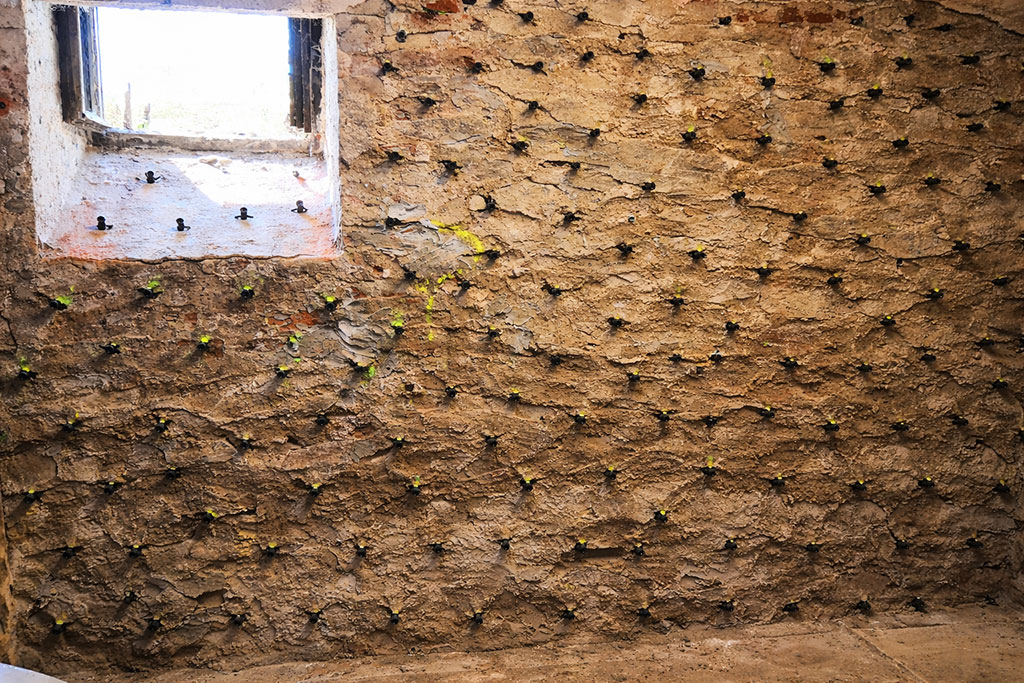
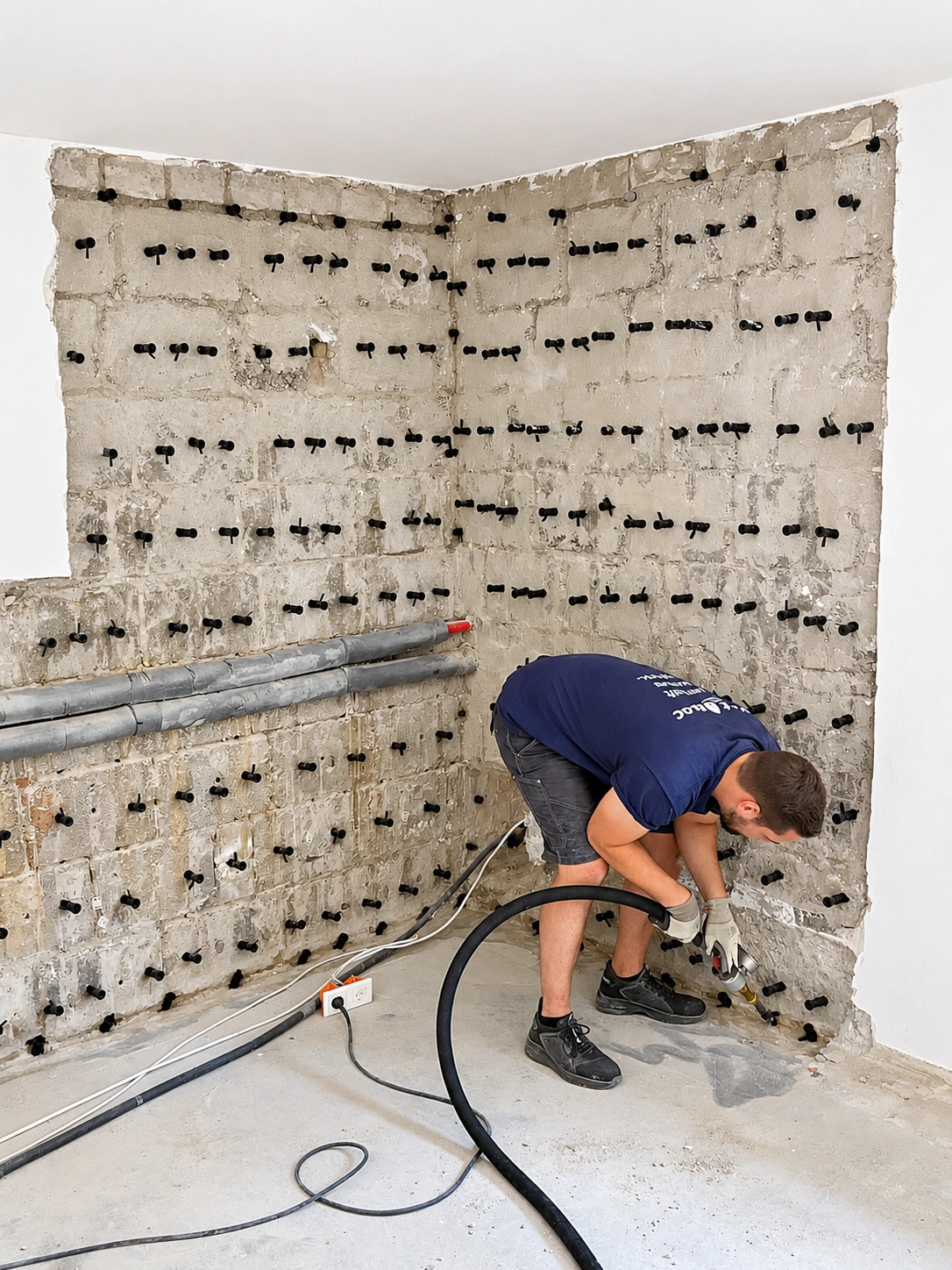
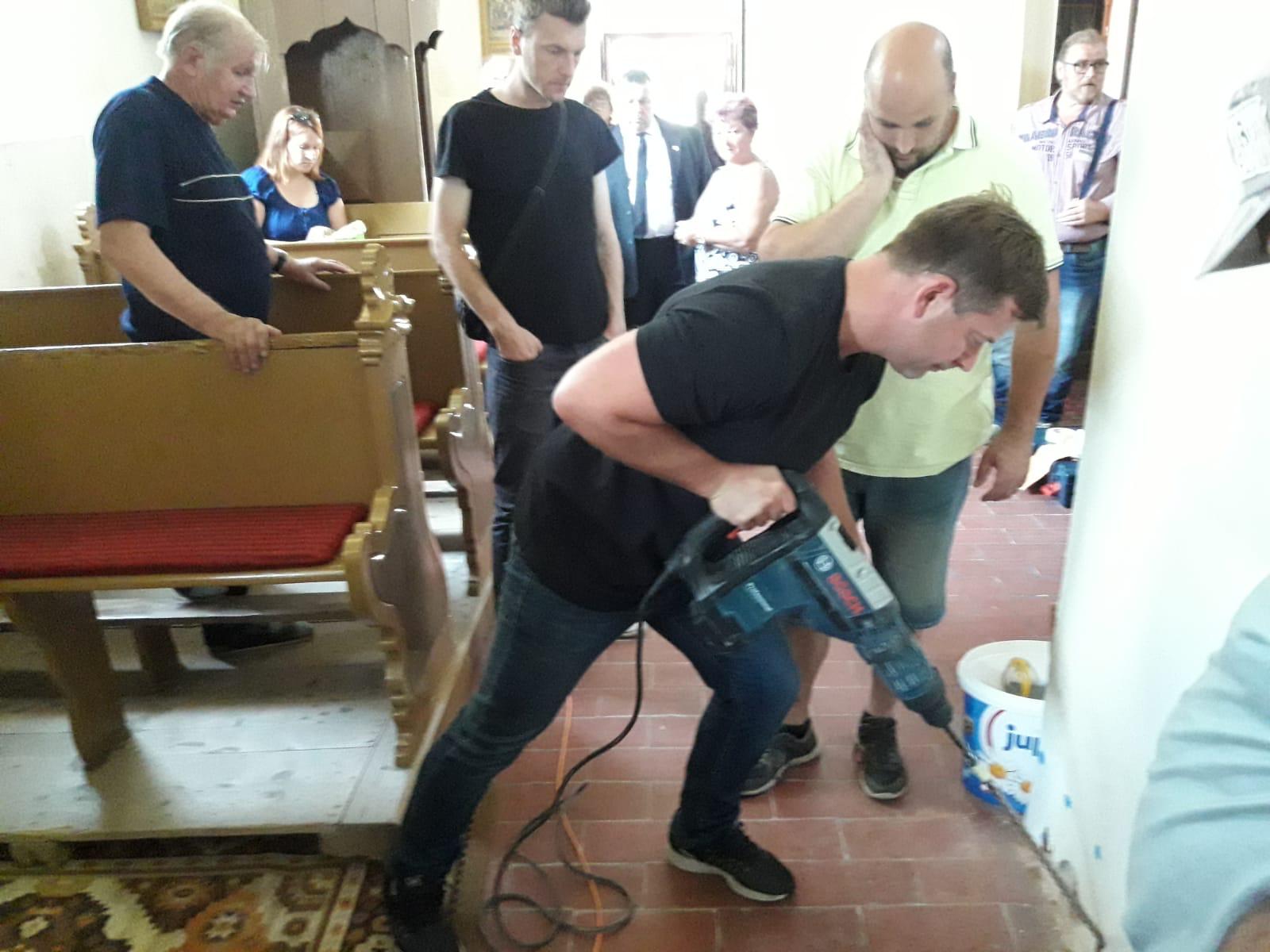
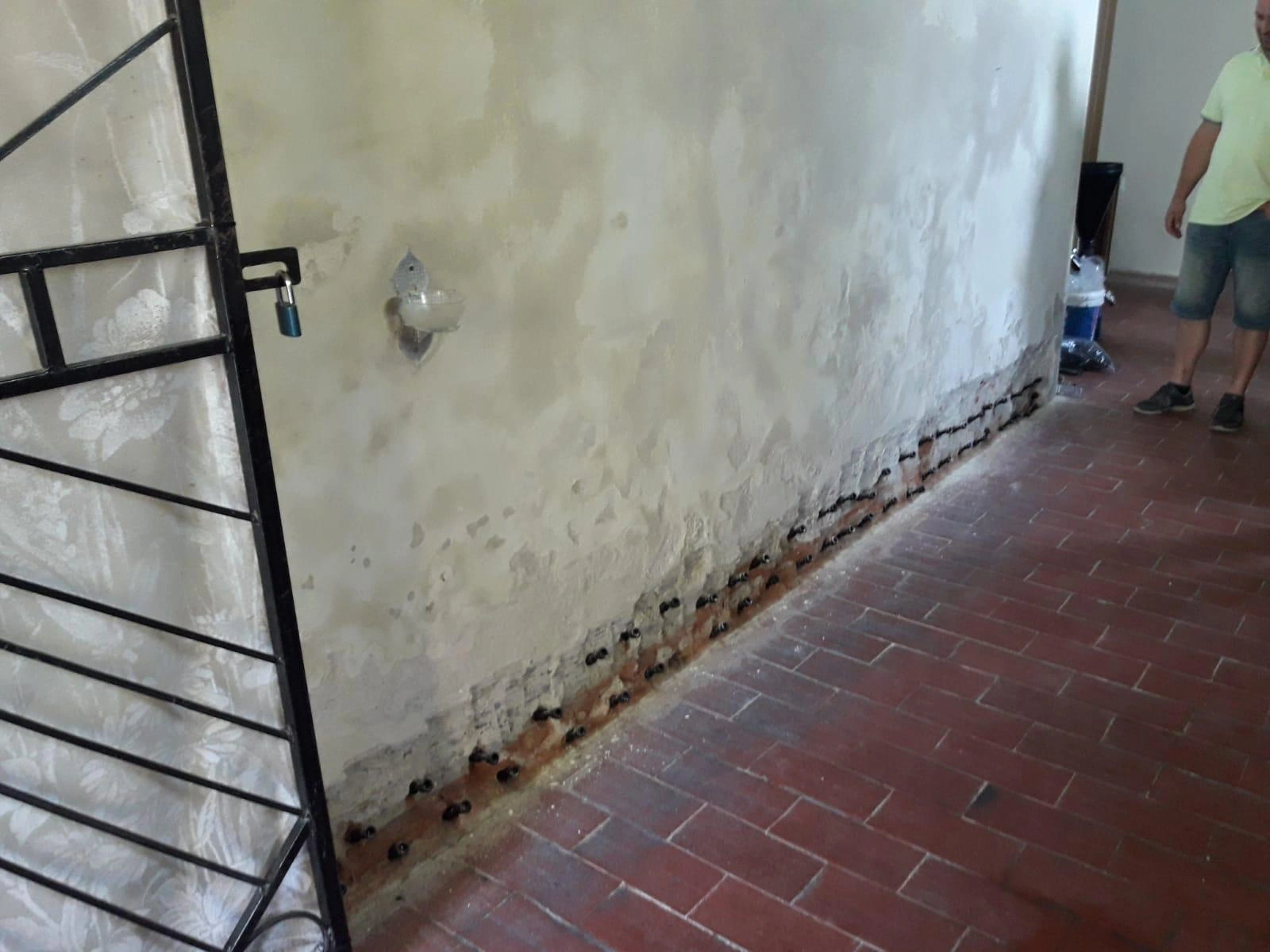
After removing the damaged plaster, horizontal masonry injection with wetBLOC was carried out. The polymer-based injection material was introduced into the existing masonry structure through systematically arranged drill holes and injection packers.
The affected plaster surfaces were then renovated according to the requirements of the heritage authority.
Long-term moisture protection and preservation of building fabric
The remediation measures aim to reduce the moisture load in the affected masonry areas permanently and improve the conditions for long-term preservation of the building fabric.
- Moisture protection: limiting capillary moisture transport within the treated masonry areas.
- Preserving the building fabric: respecting the existing historic construction.
- Building physics properties: maintaining the ability to diffuse water vapour.
- Surface renovation: creating suitable conditions for repairing damaged plaster surfaces.
- Long-term value preservation: protecting the building fabric against progressive damp-related damage.
Integrated active zone within existing masonry
wetBLOC follows a waterproofing approach that specifically addresses moisture movement within existing masonry. The injection material is introduced under controlled conditions into accessible pore and capillary structures. Water absorption creates gel-like polymer structures intended to limit the capillary transport of liquid water. The system is designed not to significantly impair water vapour diffusion.
For historic buildings, this approach offers a way to treat masonry without completely replacing the existing wall construction.
Professional masonry injection in the church
The damp-affected masonry areas were remediated using wetBLOC system technology in 2018.
The work comprised the following measures:
- Preparation: removing plaster layers damaged by damp and salt efflorescence in the affected wall areas.
- Horizontal barrier: creation of a horizontal wetBLOC barrier zone over a total of 89 linear metres by introducing the polymer-based injection material into the existing masonry structure.
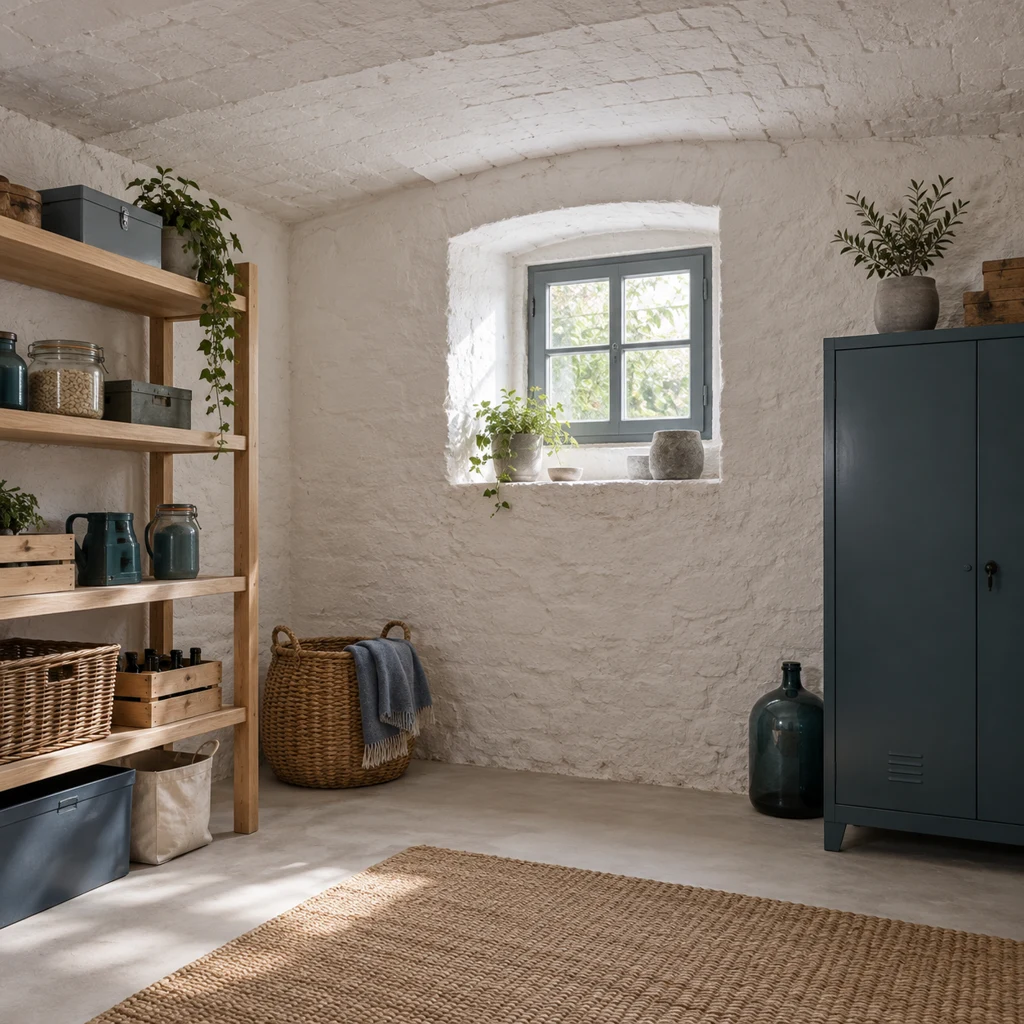
- Plaster restoration: after the waterproofing work was completed, the previously damaged plaster surfaces were restored in accordance with the heritage authority's requirements.
The work took account of the historic church's particular construction requirements and the preservation of its existing fabric.
wetBLOC technology attracted considerable interest from the start of the renovation. Numerous observers watched the work during the first few hours to gain a direct impression of the innovative injection method.
Remediation result
According to the project report, the installed wetBLOC horizontal barrier stopped the rising damp. After the masonry treatment, the damaged plaster was renovated and the affected wall surfaces restored.
The historic building structure was preserved. The renovation aimed to stop capillary moisture transport in the long term and protect the building fabric from further moisture damage.
No long-term monitoring measurements are available for this project.
Moisture protection for historic building fabric
The reference project in Czechia shows the application of wetBLOC system technology in the renovation of a historic church building.
Horizontal masonry injection was successfully carried out to stop rising damp. The subsequent plaster remediation restored the damaged wall surfaces.
The project illustrates how targeted treatment of capillary moisture transport can be combined with preserving historic building fabric.
Prague area project report as a Word document
Download the original report with all project details and photographs.
Open Word report →