 ®























Primary school with damp problems in the basement
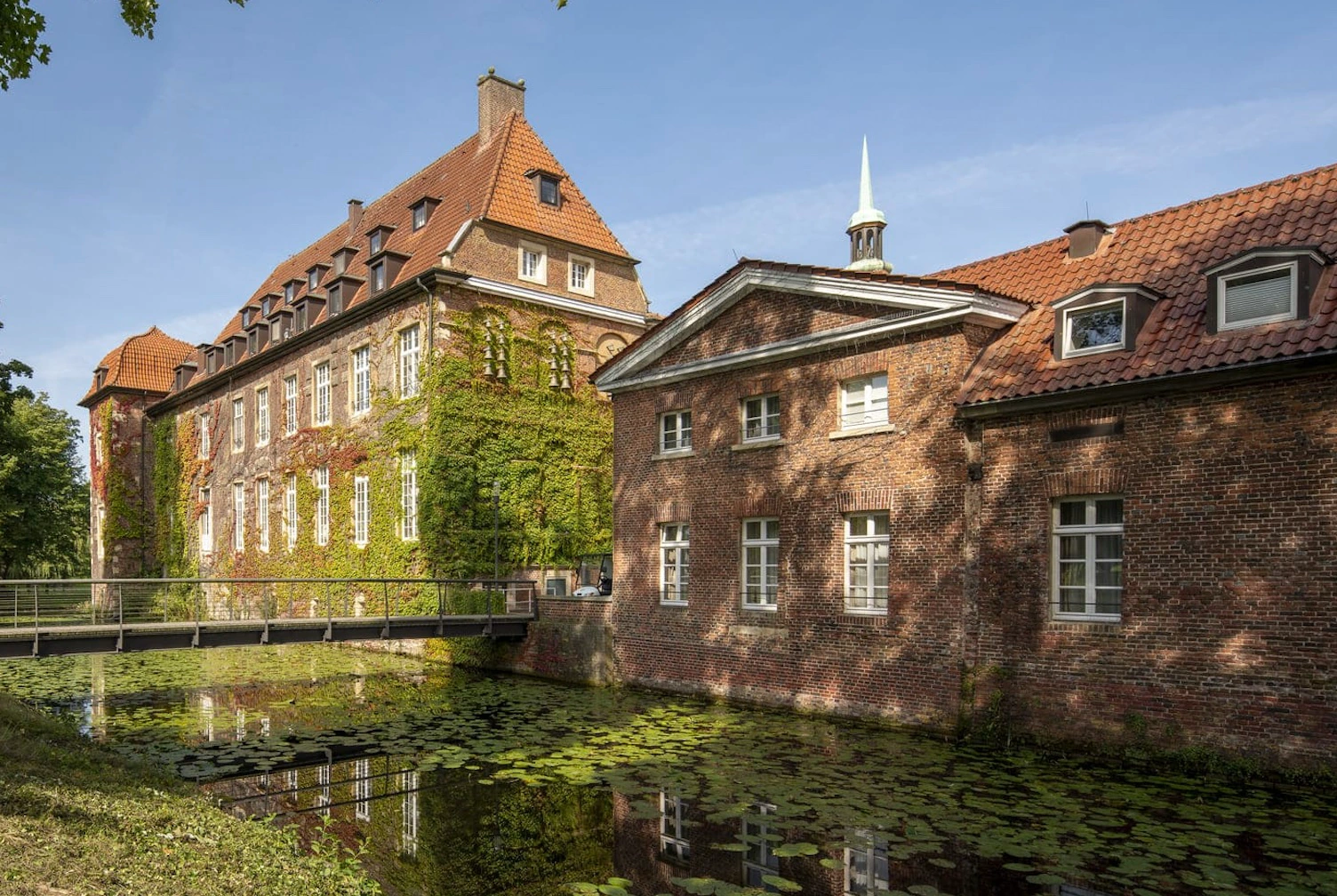
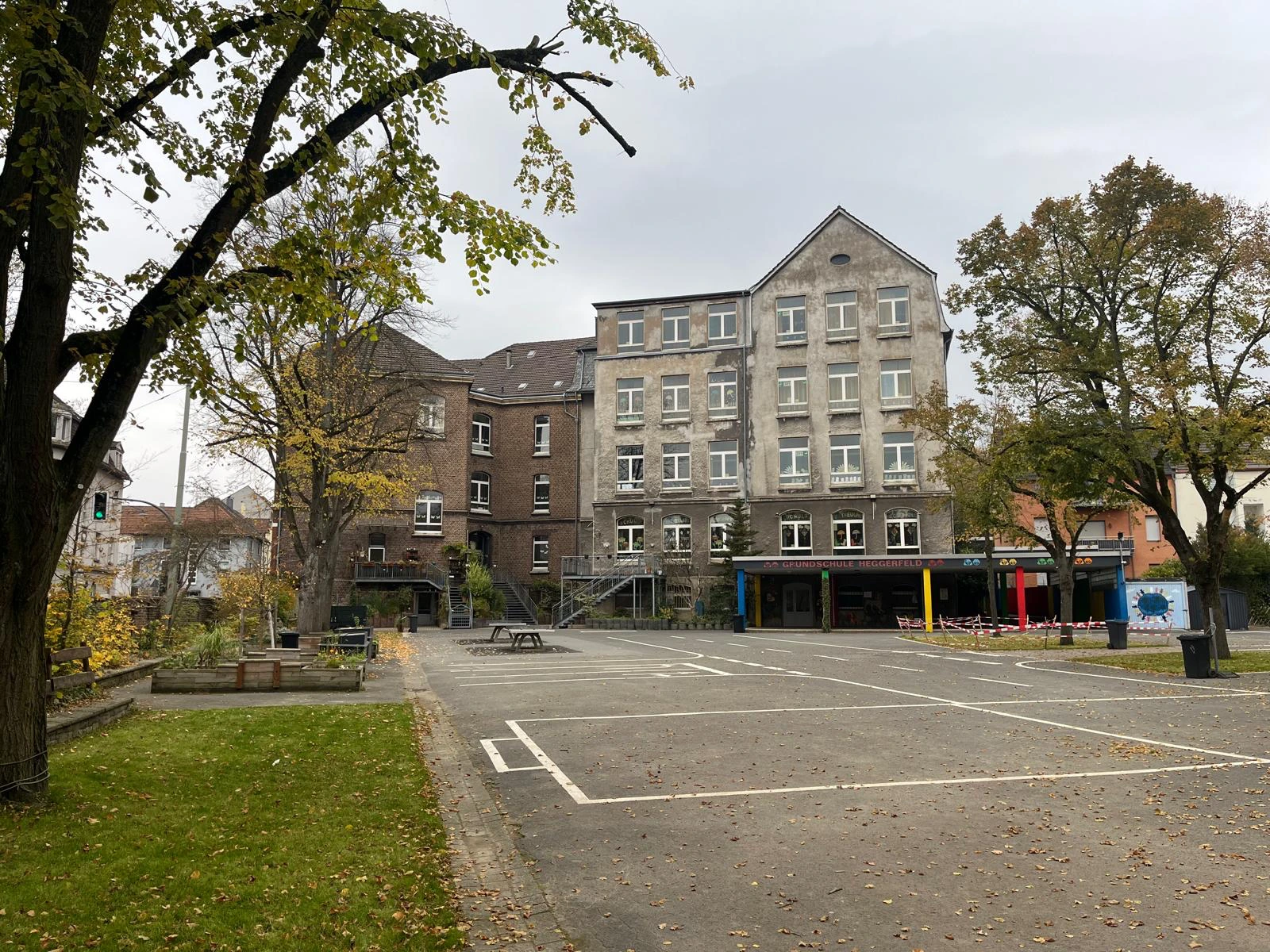
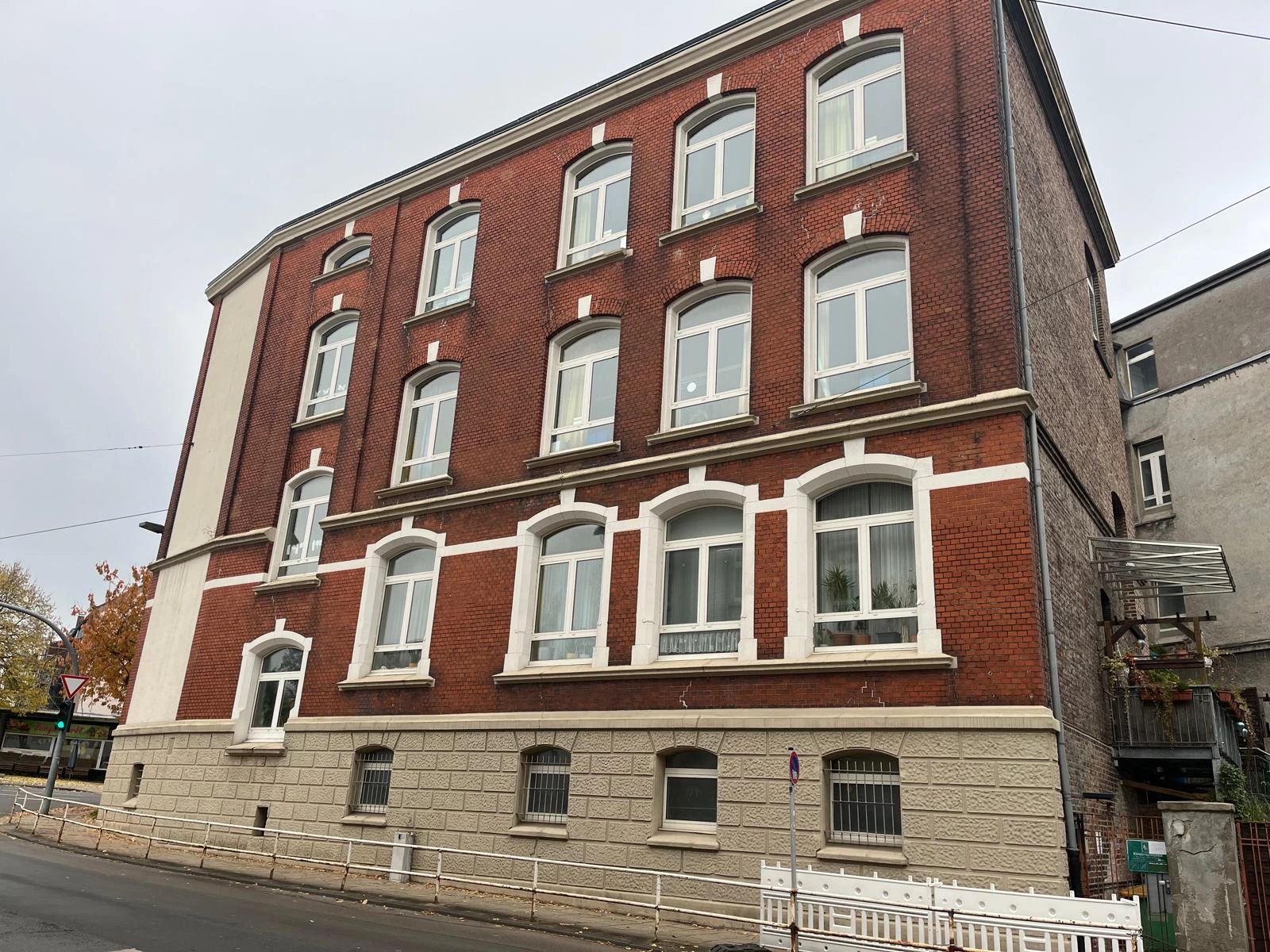
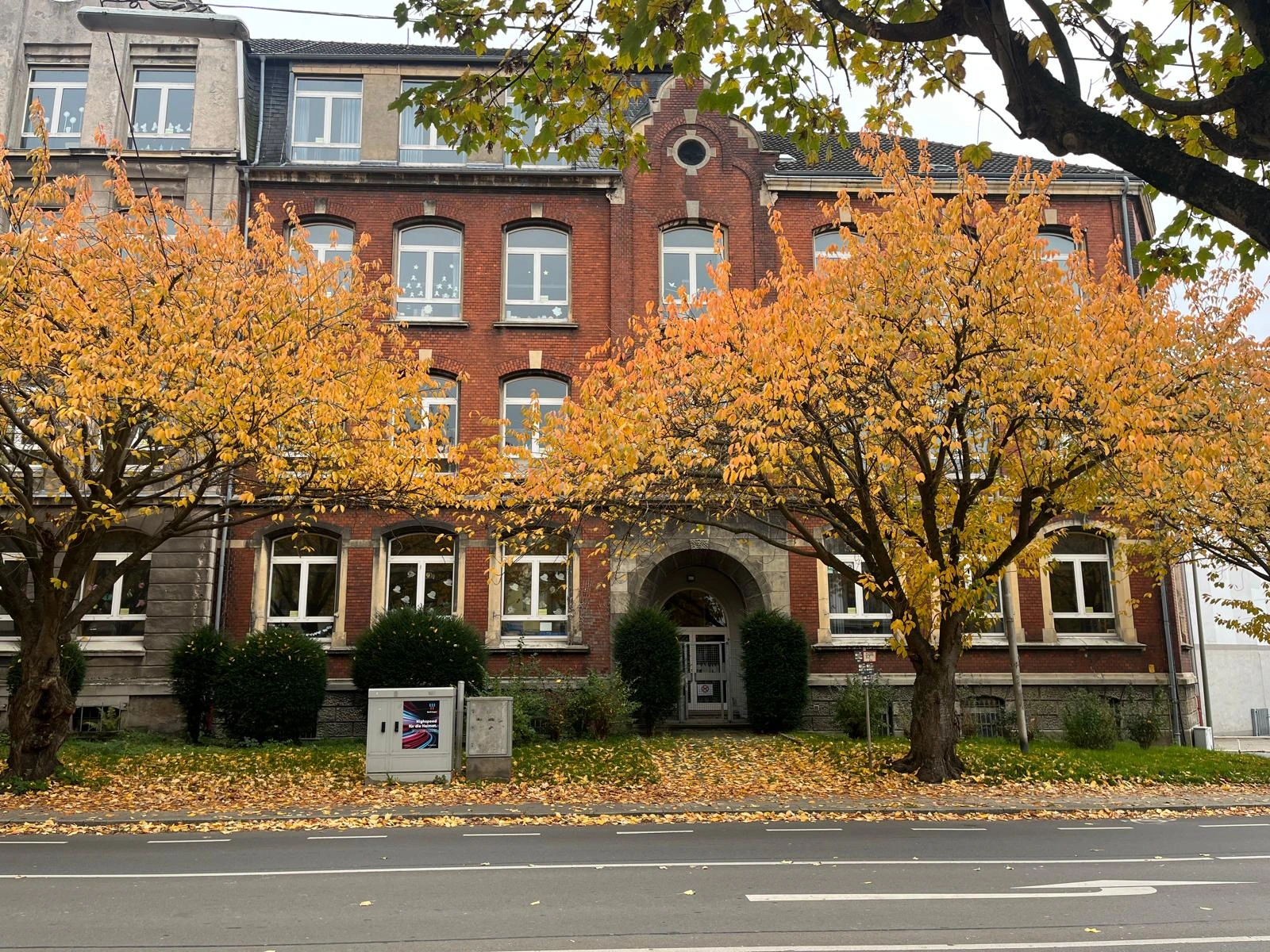
The school building in Hattingen dates from around 1950. The basement contains solid brick walls that had been exposed to considerable damp over a prolonged period.
A particular requirement of the remediation was to preserve the existing brick structure. The waterproofing measures therefore had to be carried out as gently as possible, as the treated wall surfaces were to remain unplastered afterwards.
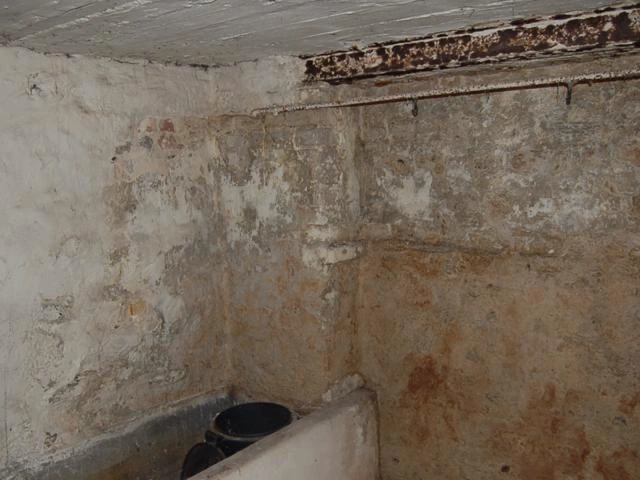
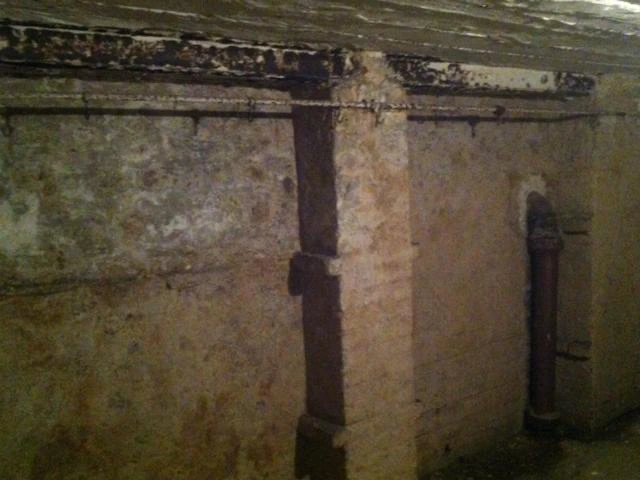
Significant moisture damage to the basement walls
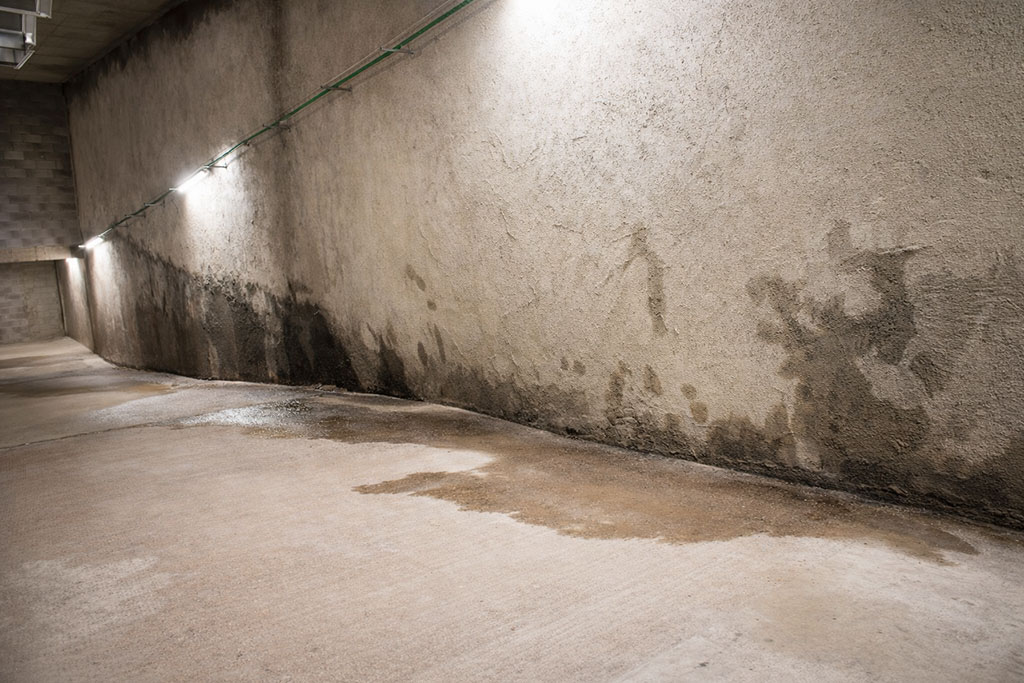
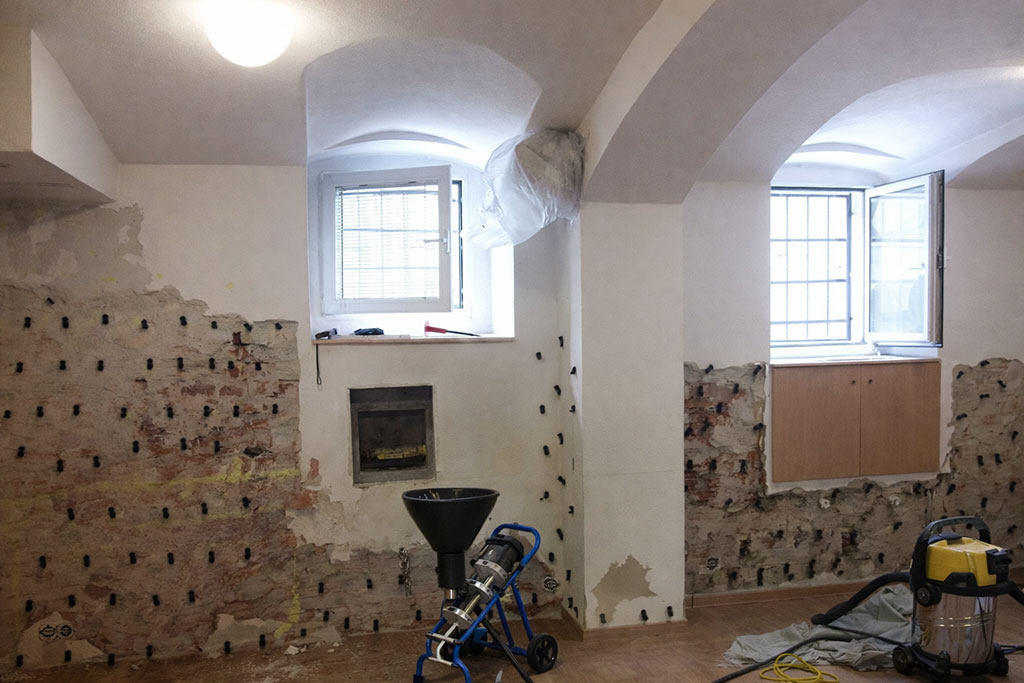
Before remediation began, the basement walls showed extensive discolouration, damp marks and damaged surfaces. Moisture damage was particularly pronounced at the wall bases and the transitions between masonry and cellar floor.
The substantial moisture exposure impaired the condition of the wall surfaces and made targeted waterproofing of the existing masonry necessary.
Moisture protection without a final renovation plaster layer
Both horizontal and vertical moisture transport paths had to be considered during remediation. At the same time, the existing brick structure was to remain visible.
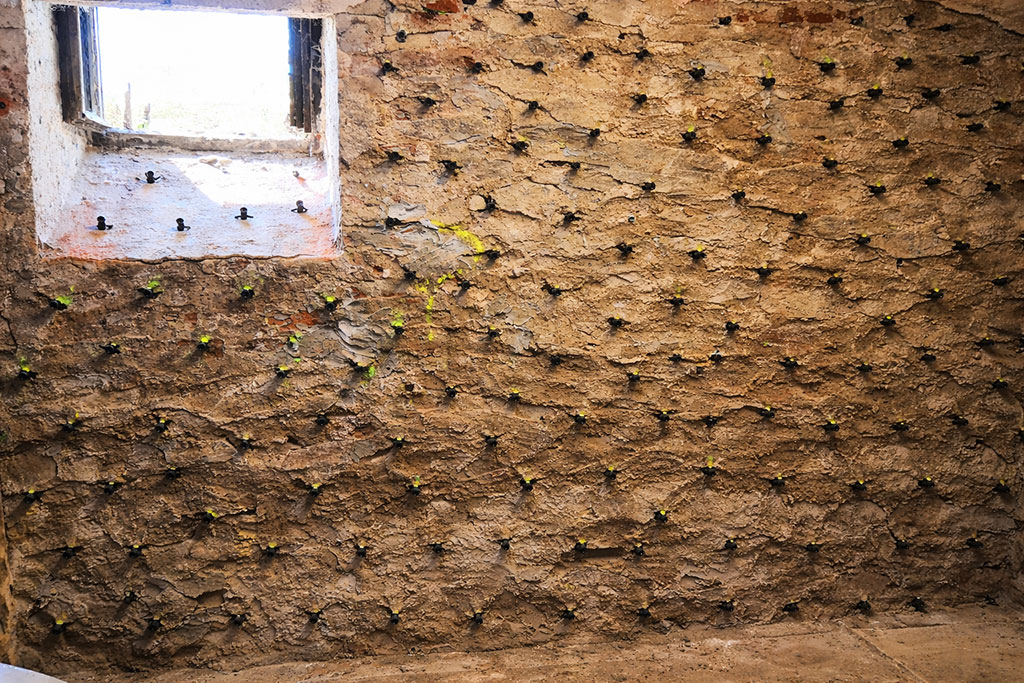
The waterproofing therefore had to be applied directly within the existing masonry. Positioning and drilling the injection holes required particular care to minimise damage to the existing brick structure.
Targeted horizontal and vertical masonry treatment with wetBLOC
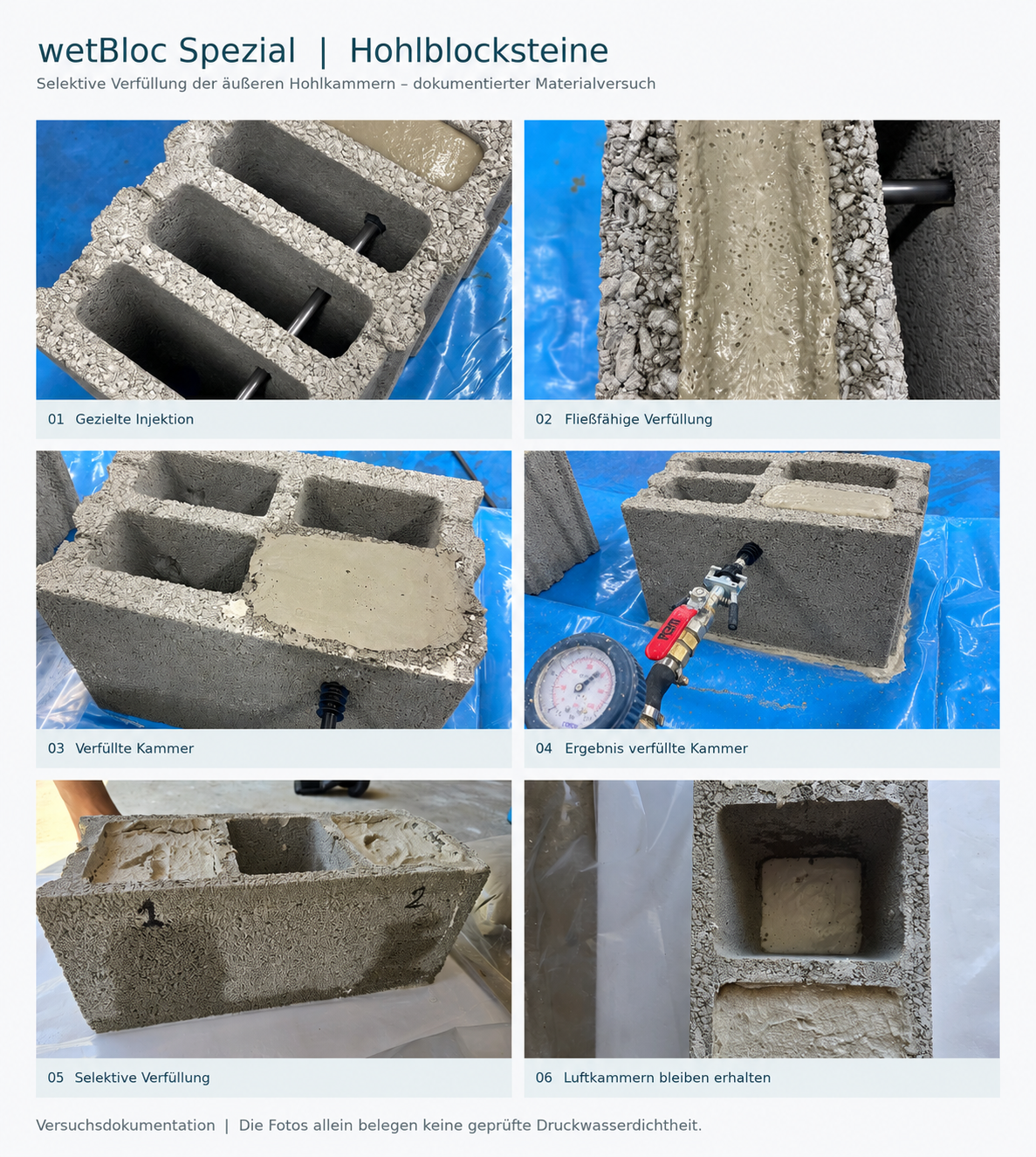
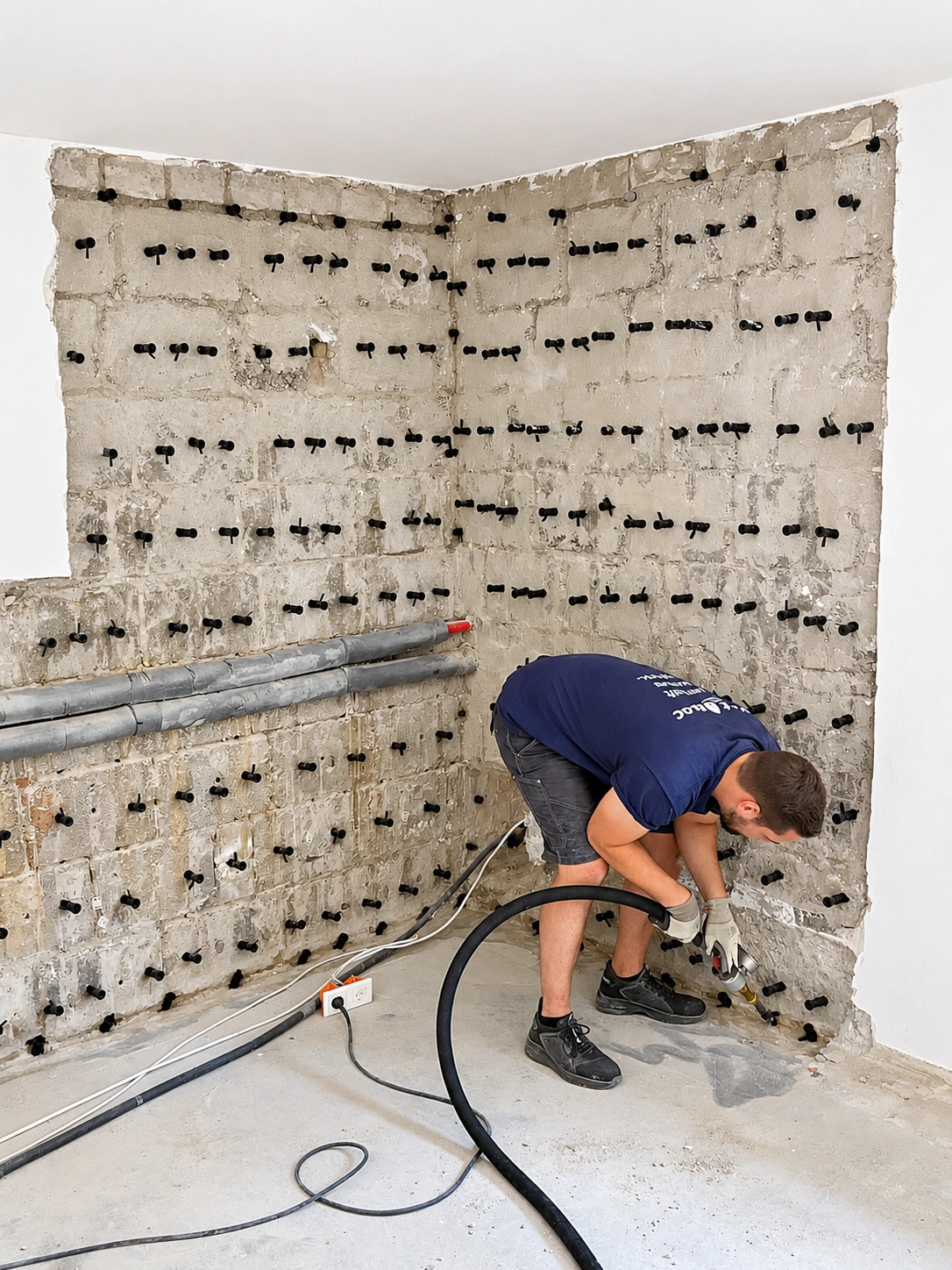
The remediation plan comprised horizontal wetBLOC waterproofing and vertical masonry injection. The polymer-based material was introduced into the accessible pore and capillary structures of the brick masonry through systematically positioned boreholes and injection packers.
The aim was to create an active zone within the treated wall areas that was as continuous as possible and to limit capillary liquid water transport permanently. Treatment was carried out directly in the existing masonry. The original brick surfaces were preserved, making a final renovation plaster unnecessary.
Controlled injection into the existing brickwork
The work included systematically positioning the injection holes, preparing and cleaning them and installing injection packers. The wetBLOC material was then injected under controlled conditions into the intended horizontal and vertical treatment areas.
Particular care was taken to treat the existing brick structure as gently as possible and avoid unnecessary damage to the existing building fabric.
Notable observation: significant moisture release during and after injection
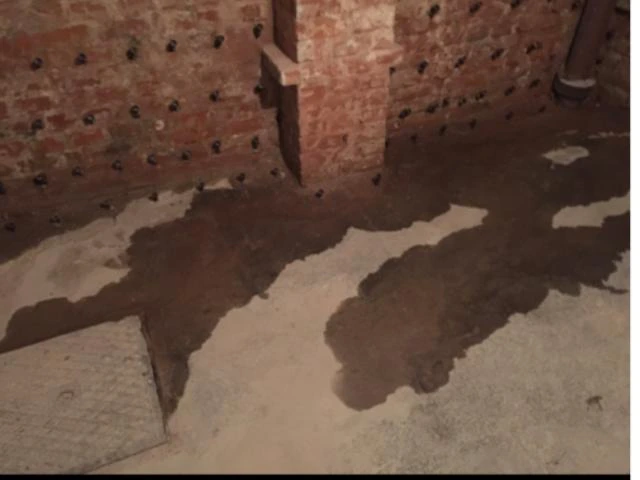
During and after the wetBLOC injection, moisture escaped from the treated masonry areas and temporarily collected on the cellar floor. Clearly visible, continuous accumulations of water formed immediately in front of the injected brick walls.
The observed water release is associated with changes in pressure and moisture conditions within the masonry caused by material introduction and polymer swelling.
Polymer swelling, moisture displacement and subsequent drying
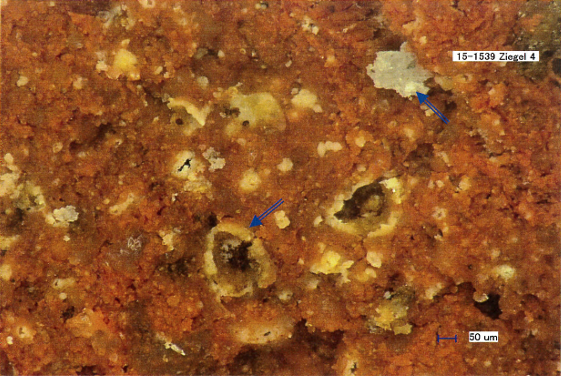
wetBLOC is a polymer-based injection system that spreads within the accessible pore and capillary structures of masonry. By absorbing existing moisture, the polymer particles swell and form gel-like structures that limit the capillary transport of liquid water.
The increase in polymer volume creates local pressure changes within the treated capillary structures and helps displace existing unbound water.
At the same time, water vapour diffusion through the treated masonry is largely preserved, allowing remaining residual moisture to continue to be released through the wall surfaces.
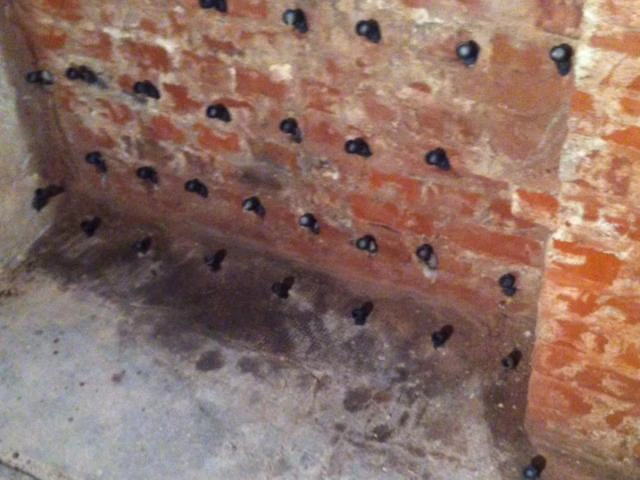
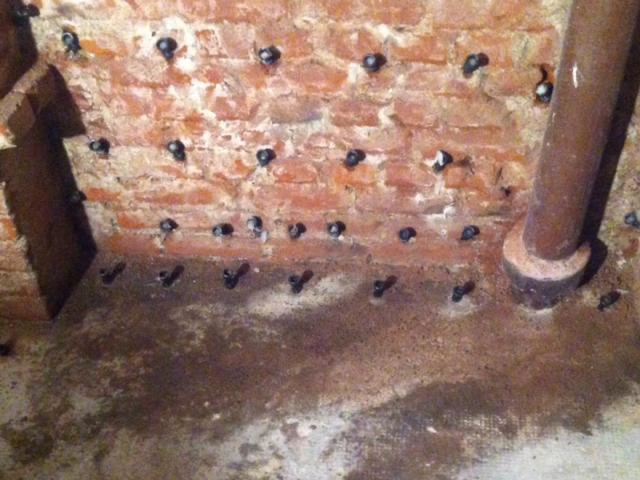
Visible drying after wetBLOC injection
Within a few days, the temporary water accumulations on the basement floor disappeared and the treated wall surfaces visibly dried.
Limiting further incoming capillary moisture while allowing moisture to continue escaping created the conditions for subsequent drying of the masonry.
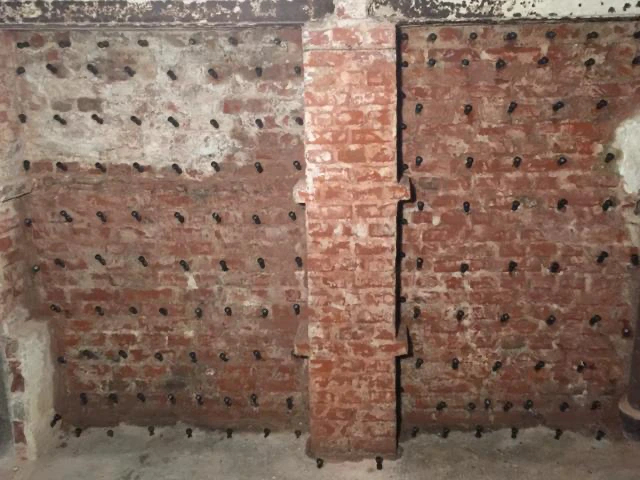
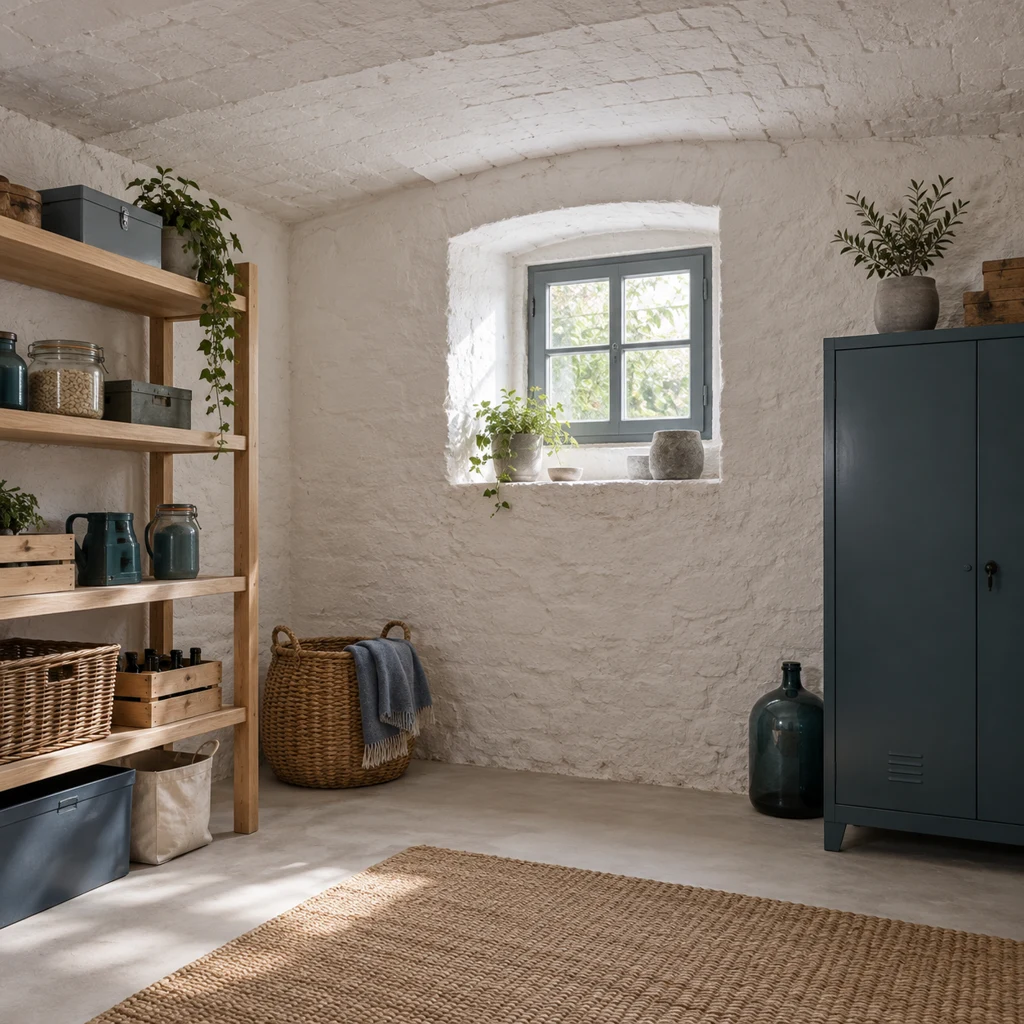
Lasting moisture protection while preserving exposed brickwork
The reference project at the community primary school in Hattingen shows how horizontal and vertical wetBLOC masonry waterproofing can be combined with preserving the existing building fabric. Approximately 70 m² of wall surface and about 35 linear metres of horizontal barrier were treated in the existing brickwork without concealing the original wall surfaces with a final coat of renovation plaster.
A distinctive feature of this project was the substantial release of moisture during and after injection, followed by visible drying within a few days.
The project illustrates the interaction between polymer swelling, moisture displacement and limiting the capillary supply of further moisture. At the same time, the original brick structure was preserved – an essential part of the sensitive restoration of the school building.
Hattingen project report as PDF
Download the original report with all project details and photographs.
Open PDF report →